

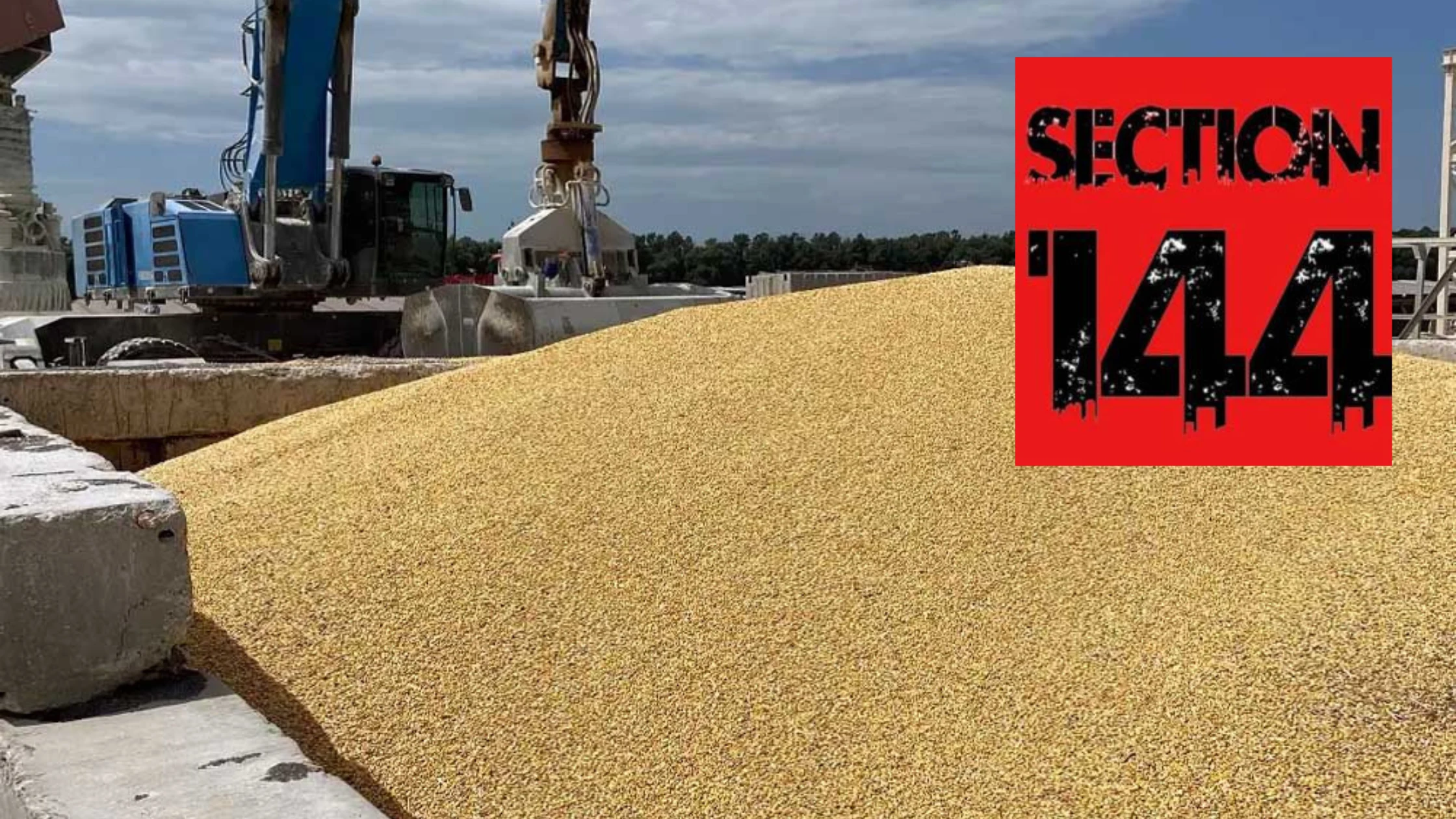
The Punjab government has announced a 30-day ban on the use of wheat by feed and poultry mills in order to prevent a possible shortage in the province. The decision, taken under Section 144, is aimed at making sure that wheat remains available for the production of flour and bread (roti), which are daily essentials for millions of people.
Wheat Reserved for Flour Mills Only
According to the new order, wheat can now only be supplied to flour mills. The step ensures that the supply of flour stays stable and affordable for the general public. The government believes this measure is necessary to prioritize human consumption over animal feed.
Feed mills currently hold a stock of more than 104,184 metric tons of wheat, but officials have stressed that these reserves must be protected to meet public demand first. By restricting wheat use, the government hopes to maintain food security and avoid any disruptions in flour availability.
Saudi Arabia’s KSrelief Provides 10,000 Shelter Kits and Food Packages for Pakistan Flood Victims
Why the Ban Was Imposed
The authorities explained that increasing demand, coupled with concerns about supply management, pushed them to take strict action. Wheat is a staple food in Punjab, and any shortage could directly affect bread prices, causing hardship for families across the province.
By applying this temporary restriction, the government aims to balance supply, prevent hoarding, and ensure that flour mills receive enough wheat to produce flour regularly.
Impact on Feed Mills
The poultry and feed industry will have to rely on alternative grains and feed materials during this 30-day period. While this may cause short-term adjustments for the sector, the government insists that protecting the food needs of the population is its top priority.
FAQs
1. What decision has the Punjab government made about wheat?
The government has banned feed and poultry mills from using wheat for 30 days.
2. Why was the ban enforced?
It was enforced to prevent a wheat shortage and ensure steady flour and bread supply for the public.
3. Which law was used to impose the ban?
The order was enforced under Section 144.
4. Who can now use wheat under this rule?
Only flour mills are allowed to use wheat during the ban.
5. How much wheat stock do feed mills currently hold?
Feed mills hold over 104,184 metric tons of wheat.