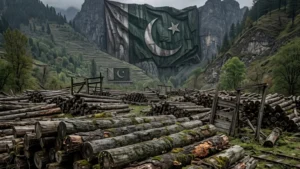

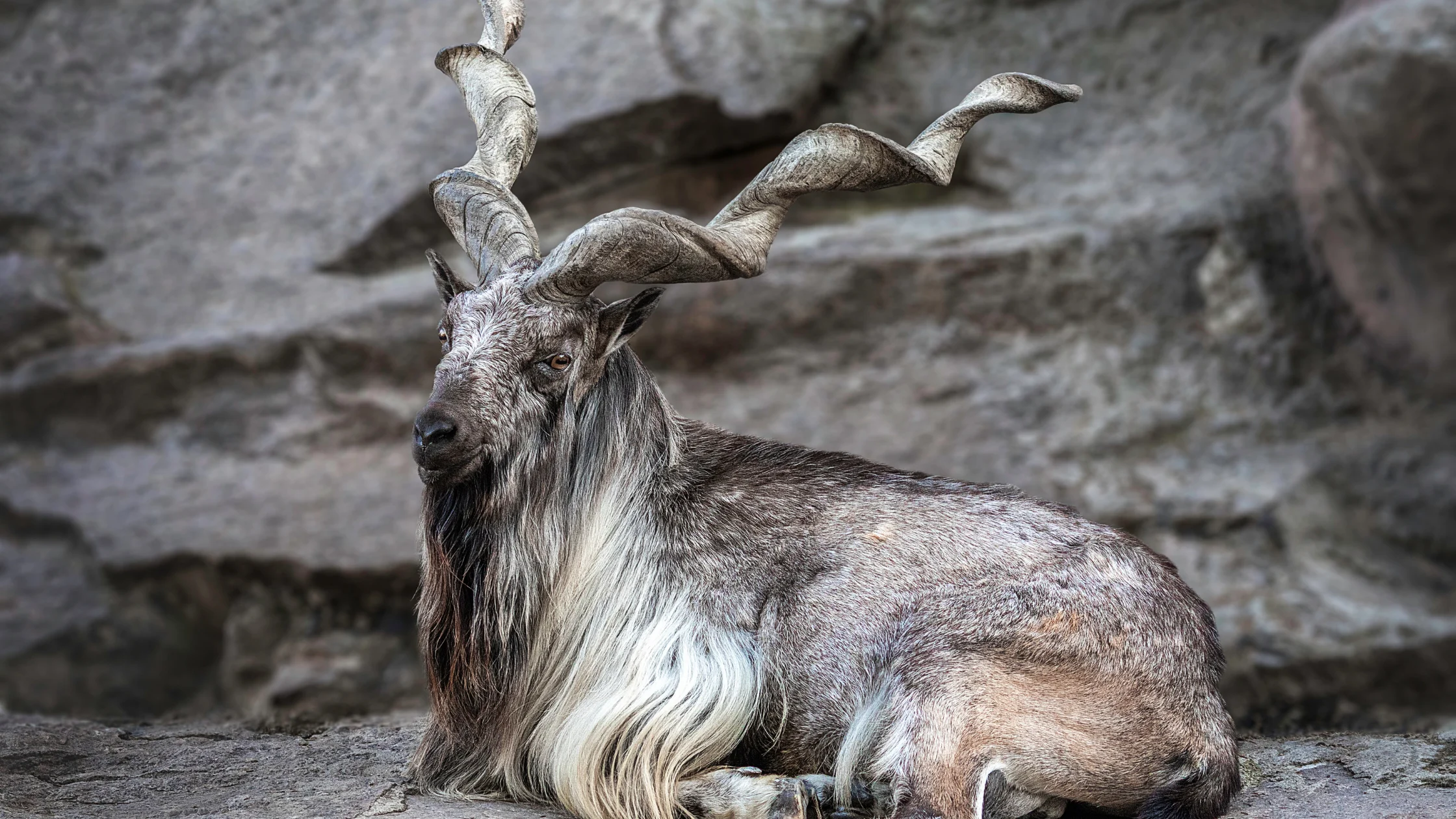
In an event that has made global conservation headlines, a single hunting permit for Pakistan’s national animal, the majestic Astor Markhor, has been sold for a staggering Rs. 10 crore (approximately $370,000). This historic auction, held at the Forests, Parks, and Wildlife Complex, sets a new world record for the price of a trophy hunting permit.
The winning bid was placed by a foreign hunter through a local hunting safari company, granting them the right to hunt one old, post-breeding male Markhor in the carefully managed hunting grounds of the Nanga Parbat Conservancy in Gilgit-Baltistan.
National Holiday Declared in Pakistan on September 6 for Defence Day and Eid Miladun Nabi
This system of regulated trophy hunting, far from being a threat, is a cornerstone of Pakistan’s successful wildlife conservation strategy. The incredibly high value of these permits generates crucial revenue that is directly fed back into local communities and preservation efforts. By making a live Markhor more valuable than a poached one, it incentivizes communities to protect the species and its habitat from illegal hunting. The majority of the funds from this record Rs. 10 crore permit will be allocated to development projects in the local villages, with a significant portion reserved for anti-poaching patrols and scientific conservation programs.
This auction also featured permits for other rare species like the Himalayan Ibex and Blue Sheep, further highlighting the **global appeal** of Pakistan’s unique wildlife and the successful model of conservation-linked revenue. This record-breaking sale is a testament to the program’s success, proving that conservation can be economically sustainable and beneficial for both wildlife and the people who live alongside it.
—
Frequently Asked Questions (FAQs)
1. Why is hunting Pakistan’s national animal allowed?
It is part of a strictly regulated, science-based conservation program. Only a very limited number of old, specific males that have already passed on their genes are selected for hunting. This does not impact the overall population growth.
2. Where does the money from the permit go?
The vast majority of the revenue (often 80%) is given to the local communities living in the Markhor’s habitat. The rest is used for wildlife management, anti-poaching efforts, and conservation projects. This direct benefit motivates locals to protect the animals.
3. How does hunting help conserve the Markhor?
Before this program, poaching and habitat loss were major threats. Now, because a living Markhor is worth so much to the community, they actively guard against poachers and protect its habitat, leading to a significant increase in Markhor populations over the years.
4. Who was the hunter?
The identity of the hunter is typically kept confidential for privacy and security reasons. The permit was secured by a hunting safari owner on behalf of the client.
5. Is the Markhor population healthy enough for this?
Yes. According to the International Union for Conservation of Nature (IUCN), the Markhor’s status was improved from “Endangered” to “Near Threatened” in 2015, largely due to the success of this community-based trophy hunting program in Pakistan.