
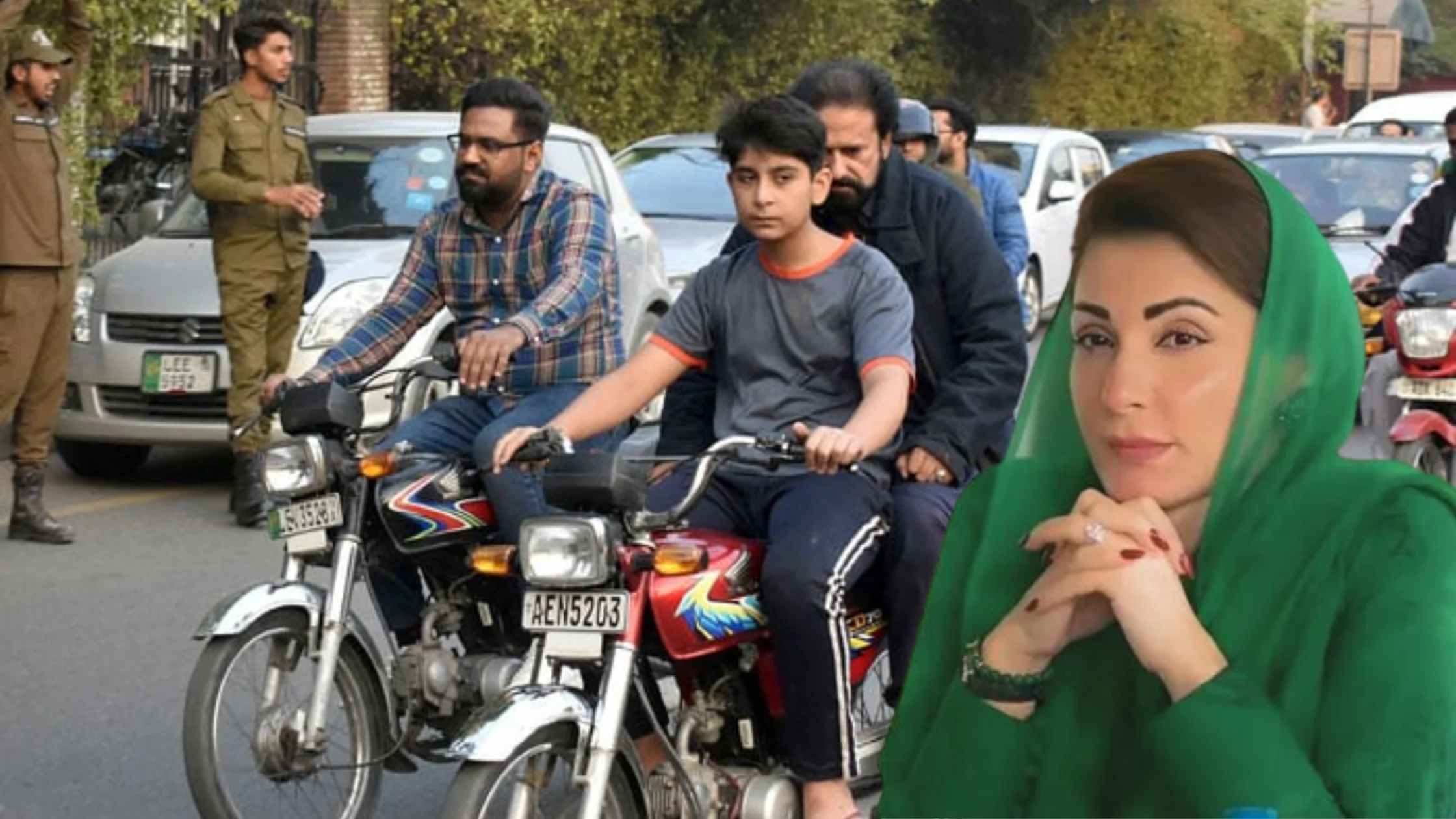
Punjab has taken a significant step toward modernizing road safety regulations and empowering young citizens with the announcement of a new driving policy introduced by Chief Minister Maryam Nawaz. Under the policy, 16-year-olds will now be eligible to obtain smart cards and official motorcycle driving licenses, marking a progressive shift in how the province approaches youth mobility and responsibility on the road.
The decision is part of a broader framework aimed at promoting safer driving habits among teenagers while ensuring that young riders are trained, documented, and monitored rather than penalized harshly. In a landmark move, CM Maryam Nawaz has officially banned the arrest of minors for traffic violations, directing authorities to adopt an educational and corrective approach instead of punitive measures. This policy not only shields minors from unnecessary criminalization but also emphasizes constructive guidance over punishment.
To support the new system, the provincial government is rolling out a comprehensive public awareness campaign targeting students, parents, and community members. These campaigns—conducted through schools, colleges, digital platforms, and local communities—will focus on traffic laws, helmet usage, road etiquette, and the importance of responsible riding. The government’s objective is to create an informed young generation that understands both the privilege and the responsibility of driving.
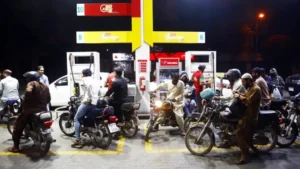
12,000+ Vehicles Seized, Rs. 6.3 Crore in Fines as Punjab Launches Major Traffic Crackdown
Additionally, Punjab is integrating advanced technology to strengthen traffic management. The policy outlines the use of drones, body-worn cameras, and modern enforcement tools to monitor road conditions, identify violations, and ensure transparency in interactions between traffic police and the public. These measures aim to improve efficiency, reduce corruption, and enable evidence-based enforcement.
A major element of the policy is the introduction of strict parental responsibility. Parents and guardians will be held accountable if minors repeatedly violate traffic laws or operate vehicles without proper licensing. This approach reinforces the idea that road safety is a shared duty, requiring cooperation between the government, families, and communities.
The issuance of smart cards to young riders serves a dual purpose: providing legal recognition and enabling better data tracking of traffic behavior. These modern cards will include digital records, making enforcement more accurate and efficient.
Overall, Punjab’s new traffic policy reflects a balanced vision—empowering youth, improving road safety, promoting accountability, and ensuring modern, technology-driven governance. It signals a forward-looking approach that aligns with global best practices while fostering a safer environment for all road users across the province.