
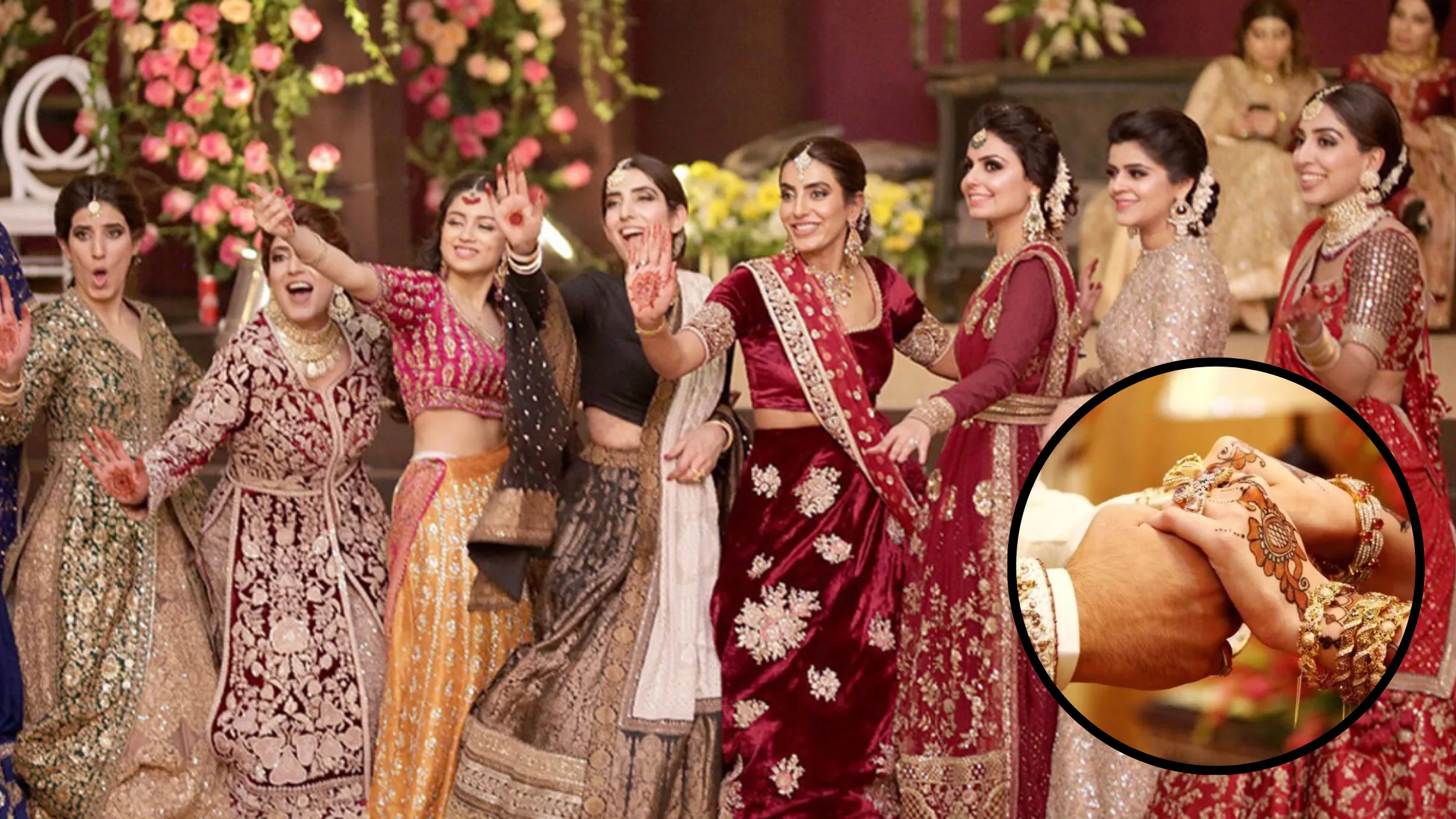
A recent research study has uncovered a major shift in how Pakistani women approach marriage decisions. The findings reveal that financial stability including a steady job and property ownership now ranks above emotional connection, appearance, or personal compatibility when selecting a life partner.
According to researchers, this change reflects the growing influence of economic challenges, rising inflation, and shifting social expectations in Pakistan. With the cost of living climbing and financial uncertainty increasing, many women are prioritizing long-term security and practical stability over traditional ideals of romance and compatibility.
PM Shehbaz Sharif Honors Mahnoor Cheema: The 18-Year-Old Pakistani Genius Who Made History
Experts suggest that this trend represents a deeper social evolution. Women today are more aware of the realities of economic life and see marriage not only as an emotional bond but also as a financial partnership. The study highlights how career success and property ownership have become powerful symbols of reliability and respectability in potential grooms.
Sociologists point out that this perspective is also tied to the rise in women’s education and workforce participation. As more Pakistani women pursue professional careers and financial independence, they increasingly value stability and equality in their relationships.
While some critics worry this approach could weaken emotional aspects of marriage, others argue it reflects maturity and realism in a changing economic climate. Ultimately, this trend shows that modern Pakistani women are making informed, strategic choices that align with their long-term well-being and security.
FAQs
1. What does the new study reveal about marriage trends in Pakistan?
It shows that most Pakistani women now prioritize financial stability — especially job security and property — over emotional or personal factors when choosing a husband.
2. Why are women focusing more on financial aspects of marriage?
Economic challenges, inflation, and job insecurity have made financial stability a key factor for long-term comfort and security.
3. How has women’s education influenced this trend?
Educated and working women are more aware of financial realities and seek partners who can provide equal stability and security.
4. Is this trend seen as positive or negative?
Opinions are mixed — some view it as practical and empowering, while others believe it reduces emotional connection in marriages.
5. What does this mean for Pakistan’s future marriage patterns?
It signals a growing shift toward practical, financially grounded marriages, reshaping traditional matchmaking in Pakistan.