
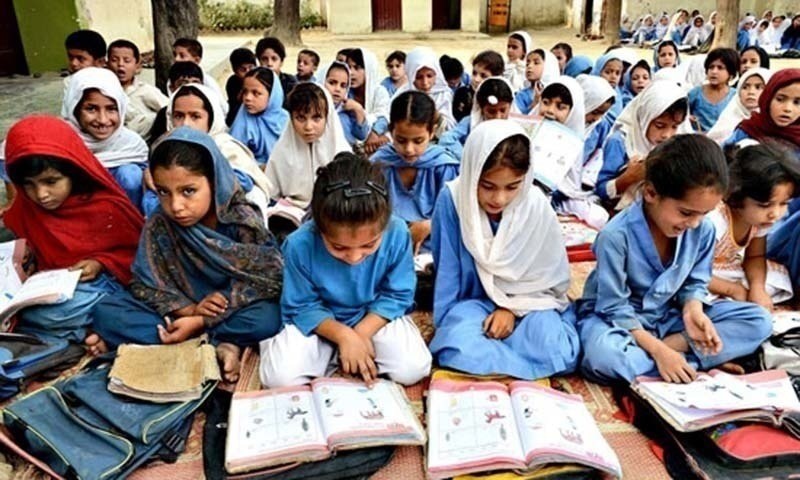
Education is the driving force behind a nation’s development, playing a crucial role in progress, innovation, and economic stability. Pakistan, a country rich in potential, faces significant challenges within its education sector. While efforts have been made to enhance literacy rates and strengthen educational infrastructure, persistent issues such as unequal access, quality gaps, and governance hurdles continue to hinder progress.
The Structure of Pakistan’s Education System
Pakistan’s education system is divided into five main levels:
- Pre-Primary Education: This includes early childhood education (ECE) for children aged 3-5 years. Though important for cognitive development, ECE remains largely neglected, with only a small fraction of children enrolled in formal pre-primary education.
- Primary Education: Covering grades 1-5, this stage is crucial for literacy and basic numeracy skills. However, Pakistan has a high dropout rate at this level due to poverty, lack of schools in remote areas, and child labor.
- Middle Education: Consisting of grades 6-8, this level builds upon primary education. Many students, especially girls, drop out due to societal pressures, safety concerns, and financial constraints.
- Secondary and Higher Secondary Education: This stage includes grades 9-12, divided into Secondary School Certificate (SSC) and Higher Secondary Certificate (HSC). Pakistan has various education boards, each with its curriculum, leading to a lack of standardization.
- Higher Education: University education in Pakistan includes undergraduate, graduate, and postgraduate programs. The Higher Education Commission (HEC) regulates universities, ensuring academic quality. However, public universities often face funding shortages, while private institutions charge exorbitant fees, making higher education inaccessible to many.
Challenges in Pakistan’s Education System
Despite efforts to improve education, Pakistan faces several systemic issues:
1. Low Literacy Rate
Pakistan has one of the lowest literacy rates in South Asia, with approximately 59% of the population being literate. The literacy rate varies significantly between urban and rural areas and among genders, with male literacy rates higher than female literacy rates.
2. Lack of Access to Education
Many children, particularly in rural and underprivileged areas, do not have access to schools. The distance to schools, lack of transportation, and insufficient educational infrastructure deter children from enrolling.
3. Gender Disparity
Cultural norms and socio-economic factors hinder girls’ education. Many families prioritize boys’ education over girls, leading to lower female enrollment rates, especially in conservative areas.
4. Poor Quality of Education
The quality of education in Pakistan is inconsistent. Many government schools lack trained teachers, proper facilities, and updated curricula. rote learning is widely practiced, suppressing creativity and critical thinking.
5. Multiple Education Systems
Pakistan has several parallel education systems, including public schools, private schools, madrassas (religious schools), and international institutions. The lack of a standardized curriculum results in disparities in knowledge and skill levels.
6. Inadequate Government Spending
Despite repeated commitments, Pakistan spends only about 2% of its GDP on education, far below the recommended 4-6% by UNESCO. This underfunding affects school infrastructure, teacher salaries, and educational resources.
7. Political and Administrative Issues
Frequent changes in education policies, lack of continuity, corruption, and inefficient governance have hampered the development of a robust education system.
Recent Reforms and Initiatives
To address these challenges, several reforms and initiatives have been introduced:
1. Single National Curriculum (SNC)
The government has introduced the SNC to unify the education system across Pakistan. The aim is to reduce disparities between private, public, and madrassa education by providing a common syllabus. However, its implementation has faced criticism regarding content selection and execution.
2. Digital Education Initiatives
With the rise of technology, various online learning platforms and digital classrooms have been introduced, especially during the COVID-19 pandemic. Programs like TeleSchool and E-Learn Punjab aim to provide remote learning opportunities.
3. Scholarships and Financial Aid
Several scholarships and financial aid programs, such as the Ehsaas Undergraduate Scholarship and Punjab Education Endowment Fund (PEEF), support underprivileged students in pursuing higher education.
4. Girls’ Education Promotion
To encourage female education, initiatives like the Waseela-e-Taleem Program and stipend programs for girls have been launched. These programs provide financial incentives to families for sending their daughters to school.
5. Technical and Vocational Training
The government has focused on skill development through programs like the Technical Education and Vocational Training Authority (TEVTA) and the National Vocational and Technical Training Commission (NAVTTC). These initiatives aim to equip youth with job-relevant skills.

The Way Forward: Recommendations for Improvement
To improve Pakistan’s education system, a multi-pronged approach is required:
1. Increase Education Budget
The government must allocate at least 4-6% of GDP to education to improve school infrastructure, teacher training, and research facilities.
2. Improve Teacher Training and Hiring
Teachers play a crucial role in education. Regular training programs, better salaries, and hiring based on merit rather than political influence are essential for improving teaching quality.
3. Expand Access to Education
More schools, especially in rural areas, need to be built. Providing transport facilities and community-based schooling can help increase enrollment.
4. Enhance Curriculum and Examination System
Modernizing the curriculum to include critical thinking, problem-solving, and technology-based learning is crucial. The examination system should move away from rote learning towards analytical assessments.
5. Strengthen Public-Private Partnerships
Collaboration between the government and private sector can help improve educational infrastructure, teacher training, and resource allocation.
6. Promote Digital Learning
Expanding access to digital learning platforms and integrating technology into classrooms can bridge educational gaps, especially in remote areas.
7. Encourage Girls’ Education
Implementing policies that provide free education, stipends, and safe school environments for girls is necessary to bridge the gender gap.
Education is the key to Pakistan’s development and prosperity. While challenges persist, recent reforms indicate a positive direction. A sustained commitment from the government, educational institutions, and society is essential to ensure that every child in Pakistan has access to quality education. By prioritizing education, Pakistan can unlock its true potential and build a brighter future for generations to come.