
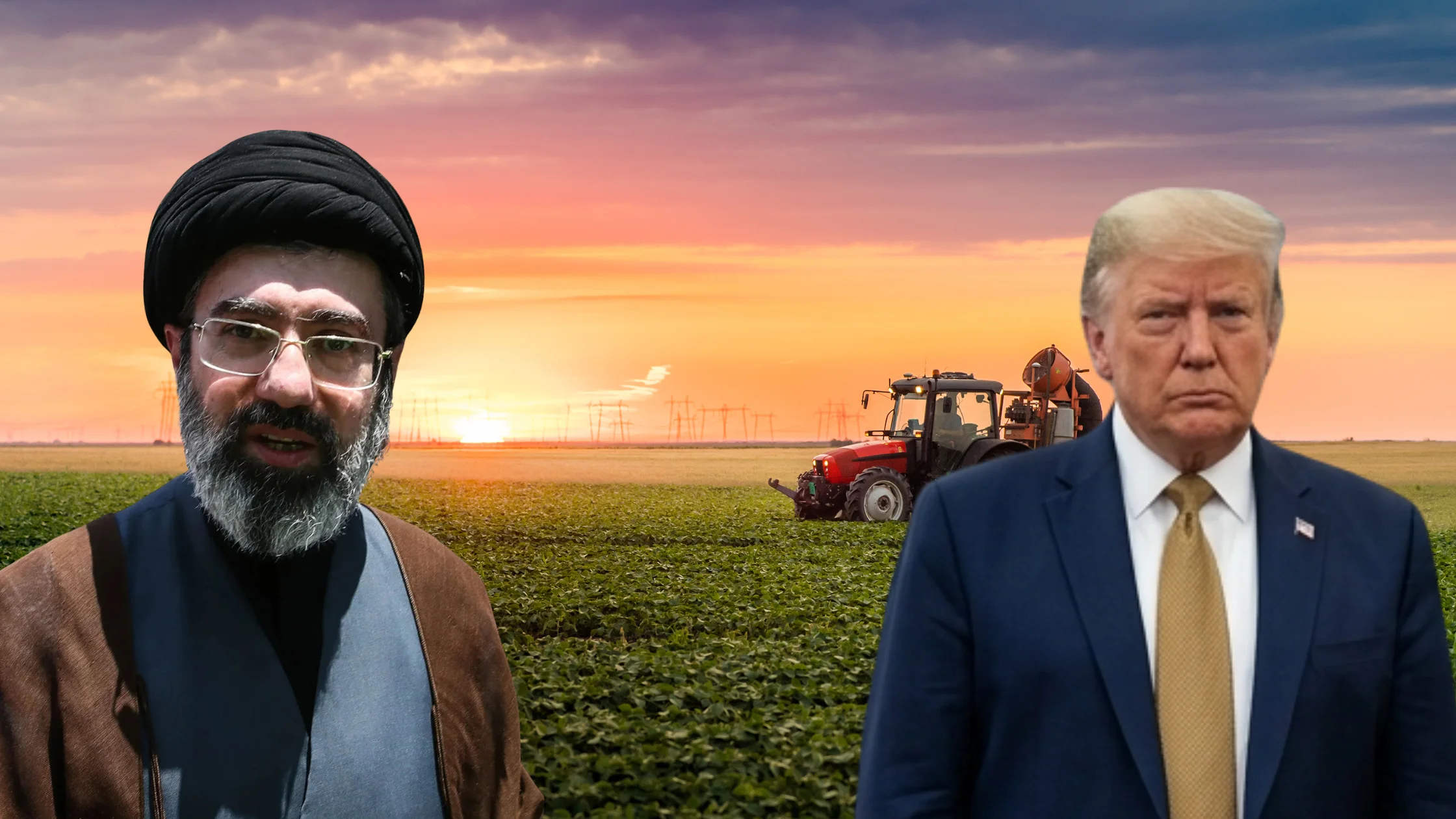
US President Donald Trump has announced a new proposal to use frozen Iranian assets to purchase American wheat, corn, and soybeans for Iran. The plan aims to support US farmers while helping address food shortages in Iran through humanitarian trade.
According to Trump, the money would come from Iranian funds that remain frozen under US control. Instead of releasing the assets directly to Tehran, the funds would be placed in an escrow system and used only to buy approved humanitarian goods, including food products produced in the United States.
Trump said the proposal would create a new export market for American farmers, particularly those growing wheat, corn, and soybeans. At the same time, he argued that the plan would ensure food reaches Iranian citizens without providing direct financial access to the Iranian government.
The proposal is being presented as a way to balance humanitarian assistance with existing US sanctions on Iran. Food and other humanitarian goods are generally treated differently from other trade under international sanctions, although strict regulations still apply.
However, the plan has received mixed reactions. Iranian officials have reportedly objected to the proposal, arguing that Iran should not be required to purchase only American agricultural products. They maintain that any agreement involving frozen assets should allow Iran the freedom to buy food and other essential goods from suppliers of its own choice.
US Decides to Move Military Bases from Arab Nations Following Iranian Attacks
Political analysts say the proposal could become another point of discussion in the already complex relationship between Washington and Tehran. Supporters believe the plan could benefit both American farmers and ordinary Iranians, while critics question whether it gives Iran enough flexibility over the use of its own frozen funds.
No official timeline has been announced for implementing the proposal, and it remains unclear whether both sides can reach an agreement on its terms.
If approved, the initiative could have an impact on US agricultural exports, Iran’s food supply, and future negotiations over frozen Iranian assets. The proposal also highlights the ongoing connection between international sanctions, humanitarian aid, and global trade as both countries continue to navigate long-standing political and economic tensions.