
Major Revelations from the Household Integrated Economic Survey A recent government-backed survey has revealed a troubling paradox: even though average incomes in Pakistan have increased sharply, most citizens feel financially weaker and poorer than before. The findings highlight deep structural problems in the economy, rising living costs, and worsening food insecurity that outweigh income growth.
Overview of the Household Integrated Economic Survey
The Household Integrated Economic Survey (HIES), released by the Pakistan Bureau of Statistics, is described as one of the most technically robust surveys conducted in the country. It covered 32,000 households, representing both urban and rural areas and all income groups across Pakistan.
Notably, this was the first survey conducted entirely on a digital platform, increasing data accuracy and transparency. The results suggest that Pakistan is moving away from inclusive development, rather than toward it.
Income Growth vs. Cost of Living Explosion
According to the survey, average household income increased by 97% over the last five years. However, during the same period, household expenditures surged by 113%, meaning expenses grew faster than earnings.
On average:
- Monthly household income stands at PKR 82,000
- Monthly household expenses are PKR 79,000
This narrow gap leaves families with little to no savings, making them highly vulnerable to shocks such as medical emergencies, job loss, or inflation. As a result, people feel poorer despite earning more on paper.
Rising Food Insecurity: A National Emergency
The survey warns that hunger and food insecurity are becoming a national emergency in Pakistan. Currently:
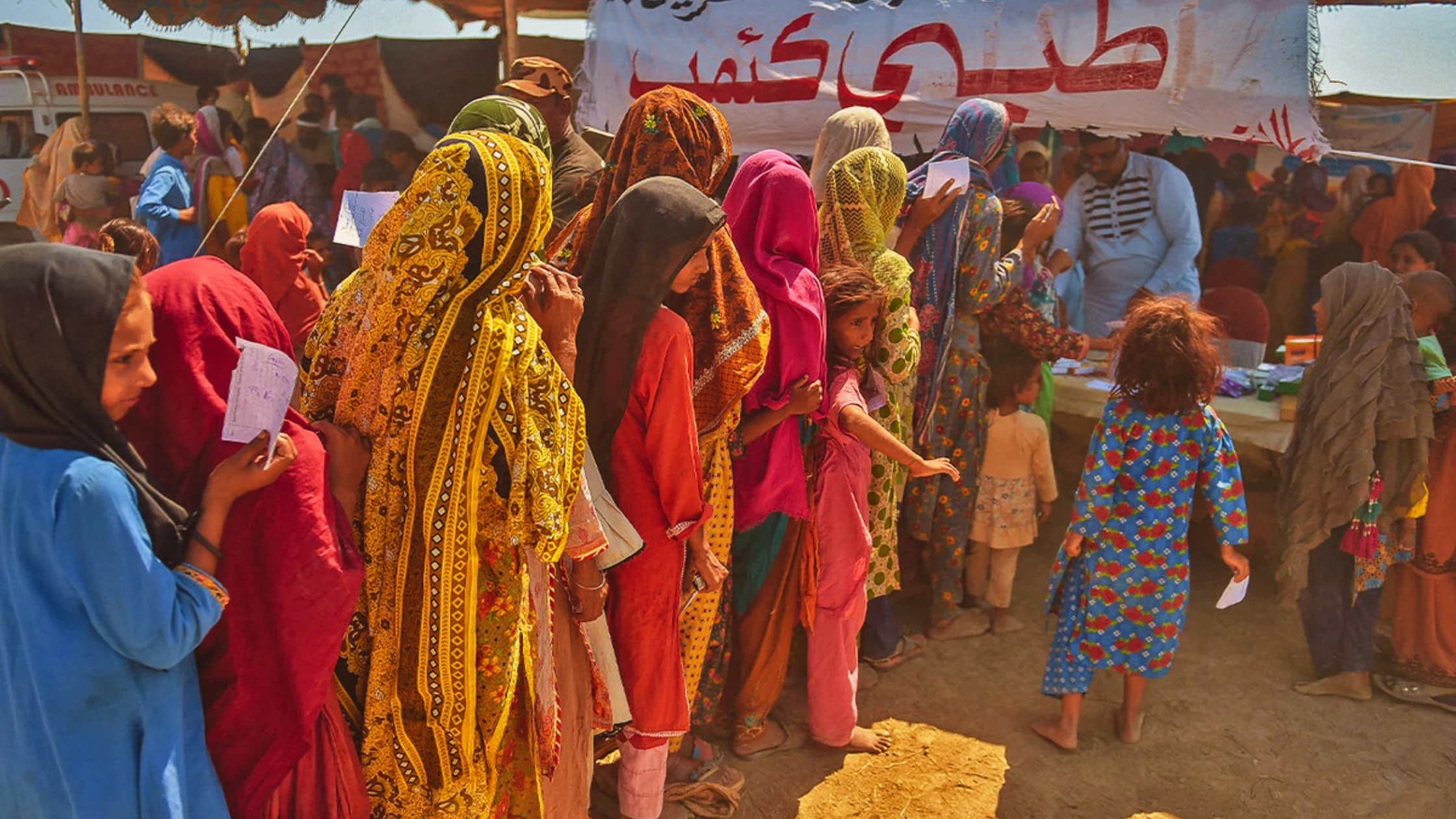
- One in every four Pakistanis suffers from food insecurity
- One in four households does not have access to adequate food
- Food insecurity has increased by 53% in just six years
The situation is especially alarming in urban areas, where inflation has significantly reduced purchasing power, despite relatively higher incomes compared to rural regions.
Spending Pressures: Where Money Is Going
The report shows that the largest increases in household spending are in:
- Food items
- Health care
- Furnishings and household appliances
- Goods and services
Healthcare and food inflation are major contributors to financial stress, forcing families to cut back on nutrition, education, and long-term investments.
Additionally, due to rapid population growth, the percentage of people living in personally owned homes has declined, increasing reliance on rental housing and further straining household budgets.
Who Is Arif Habib? The Business Leader Who Purchased PIA
Regional Impact: Provinces Under Stress
The survey highlights Balochistan and Sindh as the most severely affected provinces in terms of hunger and poverty. However, a particularly concerning finding is that Punjab, despite initiatives such as subsidized bread programs, has failed to control food insecurity.
Experts attribute this failure to:
- The economic impact of COVID-19
- The devastating floods of 2022
- Prolonged high inflation
These crises have collectively weakened household resilience across all provinces.
Social Indicators: Some Improvement Amid Economic Stress
Despite worsening economic pressures, the survey notes modest improvements in certain social indicators:
- Full vaccination coverage increased from 68% to 73%
- Use of clean cooking fuel rose from 35% to 38%
- National literacy rate improved from 60% to 63%
- The percentage of out-of-school children declined from 30% to 28%
While these gains are positive, they are not sufficient to offset the economic hardships faced by most households.
Why Pakistanis Feel Poorer Than Before
The core reason Pakistanis feel poorer is not just income levels, but the erosion of real purchasing power. When income growth is outpaced by inflation, food prices, healthcare costs, and housing expenses, living standards decline.
The survey makes it clear that economic growth without affordability, food security, and savings capacity does not translate into well-being.
Conclusion
The Household Integrated Economic Survey paints a stark picture: Pakistan is experiencing income growth without economic comfort. Rising expenses, food insecurity, and repeated national crises have created a reality where people earn more but live worse.
Without targeted policies to control inflation, improve food security, and protect household savings, the perception of poverty is likely to deepen regardless of income statistics.