

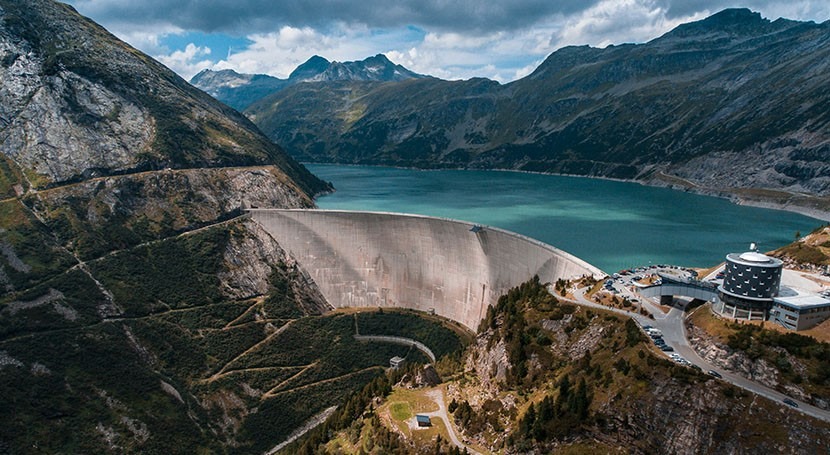
The World Bank (WB) is poised to approve a fresh loan worth $1 billion for the first phase of the Dasu Hydropower Project, following the approval of a revised PC-1 with updated completion timelines, according to The News. This loan is a significant step towards the expansion of Pakistan’s hydroelectric power capabilities and reflects the World Bank’s continued support for the country’s energy sector.

A senior official from Pakistan’s Economic Affairs Division (EAD) disclosed that the cost of the first phase of the Dasu project has increased substantially by 190.1%, from Rs586 billion to Rs1,700 billion. This surge in cost is attributed to several factors, including delays in land acquisition, security concerns in the region, and the appreciation of the US dollar, which has risen by 178% over the course of the project’s development.
Background of the Dasu Project
The Dasu Hydropower Project is located on the Indus River, seven kilometers upstream of Dasu Town in District Kohistan (Upper), Khyber Pakhtunkhwa. It is strategically located 74 kilometers downstream of the proposed Diamer Bhasha Dam site and 345 kilometers from Islamabad. This run-of-river hydropower project is designed to generate a massive 4,320 megawatts (MW) of electricity, divided into 12 units, each capable of generating 360 MW. The total projected annual energy output of the project is 21,445 GWh.
The project is being developed in two stages: Stage I and Stage II. Stage I is expected to generate 2,160 MW from six units (360 MW each), with an annual energy output of 12,222 GWh. Initially, Stage I was set to be completed by 2023-24. However, due to various setbacks, including delayed land acquisition, the revised timeline indicates a completion date between 2027-28.
Stage II will involve additional infrastructure and power generation capacity, ultimately bringing the total capacity to 4,320 MW once completed. This phase is crucial for meeting Pakistan’s growing energy needs, especially in the wake of recurring electricity shortages.
Revised Financing and Loan Details
The World Bank has already provided $588 million for the Dasu project, along with leveraging an additional $460 million from the international market. However, the newly approved $1 billion financing will be divided into two components: $800 million from the International Development Association (IDA) and $200 million from the International Bank for Reconstruction and Development (IBRD).
Out of the IDA loan, Pakistan will receive $435 million at a zero-interest rate, $365 million at a 5.83% interest rate, and $200 million from IBRD at a 6.13% interest rate. This diversified financing structure reflects the bank’s commitment to Pakistan’s energy future, with favorable terms for the country that will ease the financial burden.
The government of Pakistan, alongside the Water and Power Development Authority (WAPDA), has prepared the revised PC-1 at the increased cost of Rs1,700 billion. The revised plan will soon be sent to the Planning Commission for approval, after which the final loan agreement between WAPDA and the World Bank will be signed, solidifying the financing for the project’s expansion.
Challenges and Delays
The Dasu Hydropower Project has faced numerous challenges that have delayed its progress and increased its costs. Land acquisition for the project was supposed to be completed by 2014; however, the process did not conclude until 2021-22, exacerbating the delays. The security situation in the region has also been a major hurdle, making it difficult for workers and contractors to carry out their duties without fear of interruptions.
Additionally, the dramatic appreciation of the US dollar over the past few years has added significant strain to the cost of the project. The value of the dollar has increased by 178%, from Rs100 to Rs278, further inflating the overall budget. These financial challenges have led to the need for a revision of the project’s original cost and timeline, extending its expected completion date by several years.
Despite these setbacks, the World Bank and the Pakistani government have maintained their support for the Dasu project, recognizing its importance in addressing the country’s long-term energy needs. The government’s commitment to the project is underscored by its efforts to secure additional funding and its continuous collaboration with international institutions like the World Bank.
The Role of the World Bank and Pakistan’s Energy Strategy
The World Bank’s involvement in the Dasu Hydropower Project is a reflection of its ongoing support for Pakistan’s energy sector. The bank has been a key partner in helping Pakistan diversify its energy mix, shifting away from its heavy reliance on fossil fuels and towards cleaner, more sustainable sources of energy like hydropower.
The Dasu project, once completed, will not only contribute to the national grid but will also help stabilize electricity prices, reduce the country’s energy import bills, and create a more sustainable energy infrastructure. Hydroelectric power remains one of the most cost-effective and environmentally friendly sources of energy, making it a crucial part of Pakistan’s strategy to ensure energy security for its growing population.
Furthermore, the project aligns with Pakistan’s commitments to global climate goals by reducing carbon emissions and promoting renewable energy. The World Bank’s backing is vital in helping Pakistan achieve its development goals while also addressing climate change challenges.
Dasu Hydropower Project Expansion: Looking Ahead
With the World Bank’s approval of the $1 billion loan and the revised timeline in place, the Dasu Hydropower Project is poised to become a cornerstone of Pakistan’s energy strategy. The country is hopeful that once completed, the project will not only alleviate its power shortages but also contribute significantly to economic growth, job creation, and regional development.
As the project moves forward, it will be crucial for the Pakistani government to address the challenges that remain, including land acquisition, security concerns, and rising costs. With continued support from international lenders like the World Bank, Pakistan has the opportunity to harness its vast hydropower potential and transform its energy landscape for the future.