
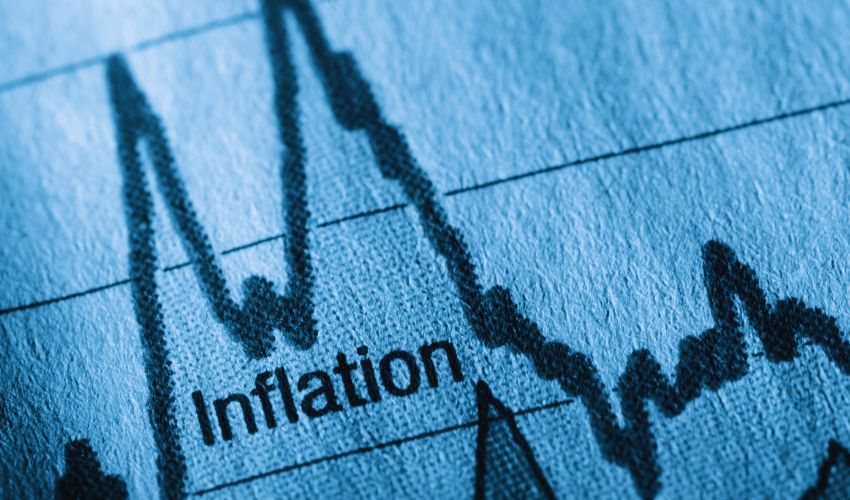

Pakistan’s inflation rate eased to 4.9% in November, marking the lowest increase in prices since April 2018, according to the latest data from the Pakistan Bureau of Statistics (PBS). This slowdown brings much-needed relief to consumers who have been grappling with high inflation for months.
The November inflation figure is comfortably within the central bank’s target range of 5-7%, signaling progress in controlling price hikes. It represents a sharp decline from the 7.2% recorded in October 2024 and a dramatic fall from the 29.2% in the same month last year. While analysts had expected inflation to dip slightly to 4.7%, the actual figure came in at 4.9%.
Year-to-date, the average inflation for the first five months of fiscal year 2025 stands at 7.94%, down from 28.62% in the same period last year, reflecting a marked improvement.
Monthly inflation for November showed a 0.5% increase, a slower pace compared to October’s 1.23% and November 2023’s 2.7%, suggesting a more controlled rise in prices in recent weeks.
Core Inflation Still a Concern
Despite the overall decline in inflation, core inflation— which excludes volatile food and energy prices—remains a challenge. Core inflation rose by 8.9% year-on-year (YoY) in November, up slightly from 8.6% in October, though still a significant improvement from the 18.6% surge in November 2023. On a monthly basis, core inflation increased by 1.2%, higher than the 0.6% rise recorded in October.
Urban vs. Rural Inflation
Inflation figures also revealed a marked contrast between urban and rural areas. Urban inflation stood at 5.2%, while rural inflation was lower at 4.3%. This disparity underscores the varying economic pressures faced by different segments of the population. Despite overall inflation easing, the prices of several key items continue to rise, putting a strain on household budgets across the country.
Prices of Essentials Continue to Climb
Several essential commodities saw price hikes in November. Items like tomatoes, eggs, lentils, moong, honey, and potatoes became more expensive, continuing a pattern from previous months. Similarly, the prices of ghee, butter, dry fruits, fish, and cooking oil also increased, intensifying the financial burden on families.
The cost of clothing surged by 14.37% YoY, while healthcare and education costs rose by 13% and 10.55%, respectively, indicating the growing strain of non-food inflation on consumers.
Positive Signs for Savers
With the policy rate still at 15% and CPI-based inflation at 4.86%, the real interest rate stands at 10.14%, offering a positive outlook for savers. The gap between inflation and the policy rate suggests that the central bank’s monetary tightening measures are starting to yield results in curbing inflationary pressures.
Outlook
While inflation has seen a welcome decline, core inflation remains a significant concern. If the current trend continues, Pakistan’s policymakers will likely keep a close eye on inflationary trends, balancing between controlling inflation and supporting economic growth. With inflationary pressures still present in essential sectors, the government’s continued focus on stabilizing prices and improving economic conditions will be critical for ensuring long-term relief for consumers.