
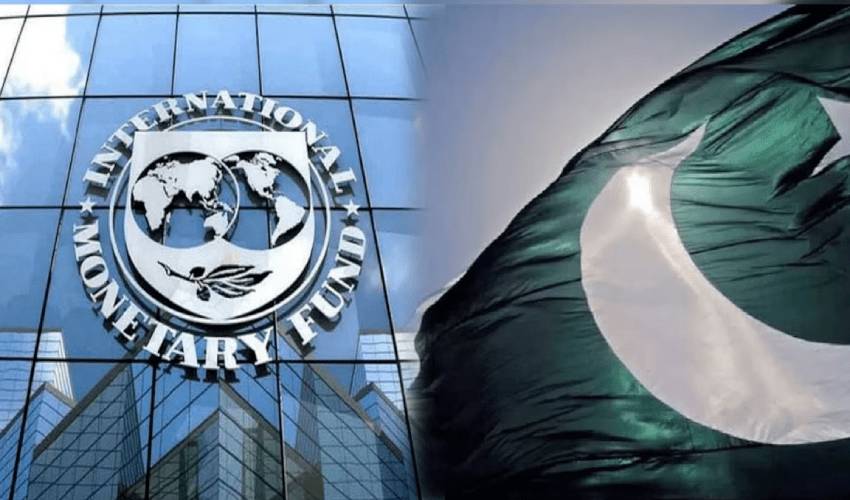
Pakistan and the International Monetary Fund (IMF) are engaged in a critical phase of negotiations as the country seeks to secure the second tranche—exceeding $1 billion—under the $7 billion bailout package.
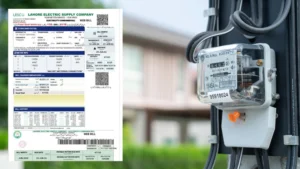
Sources indicate that discussions between the IMF mission and Pakistan’s Power Division have focused on the rebasing of electricity tariffs. In a positive development, the IMF has reportedly endorsed the government’s proposal to reduce power tariffs.

The global lender has instructed the National Electric Power Regulatory Authority (Nepra) and the Power Division to collaborate in finalizing the decision. As per the government’s plan—presented to the IMF—electricity tariffs could be lowered by as much as Rs 2 per unit starting in April. Sources suggest that the reduction may range between Rs 1 to Rs 2 per unit, with implementation expected by April or May.
Additionally, the government has shared its strategy for the privatization of distribution companies (DISCOs) with the IMF mission. However, concerns have been raised over delays in the privatization of at least two DISCOs, initially slated for January. The IMF has expressed dissatisfaction with the slow progress and emphasized that reforming the power sector is contingent on improving the operational efficiency of these entities.
Discussions between Pakistan and the IMF also include addressing the circular debt crisis in the power sector, which remains a key area of concern. Moreover, the ongoing talks are expected to cover FBR’s revenue policy, taxation on agricultural income, property sector taxes, and the Sovereign Wealth Fund.
The outcome of these negotiations will be pivotal in shaping Pakistan’s economic strategy and ensuring compliance with the IMF’s conditions under the bailout program.