
The Pakistani government’s proposed federal budget for FY2025-26 includes a record increase in petroleum levies that could deliver another economic shock to citizens already grappling with high inflation. According to official documents submitted to the IMF, the government plans to collect 1.311 trillion rupees in petroleum levy – a staggering 194 billion rupee increase over the current fiscal year’s target of 1.117 trillion rupees.
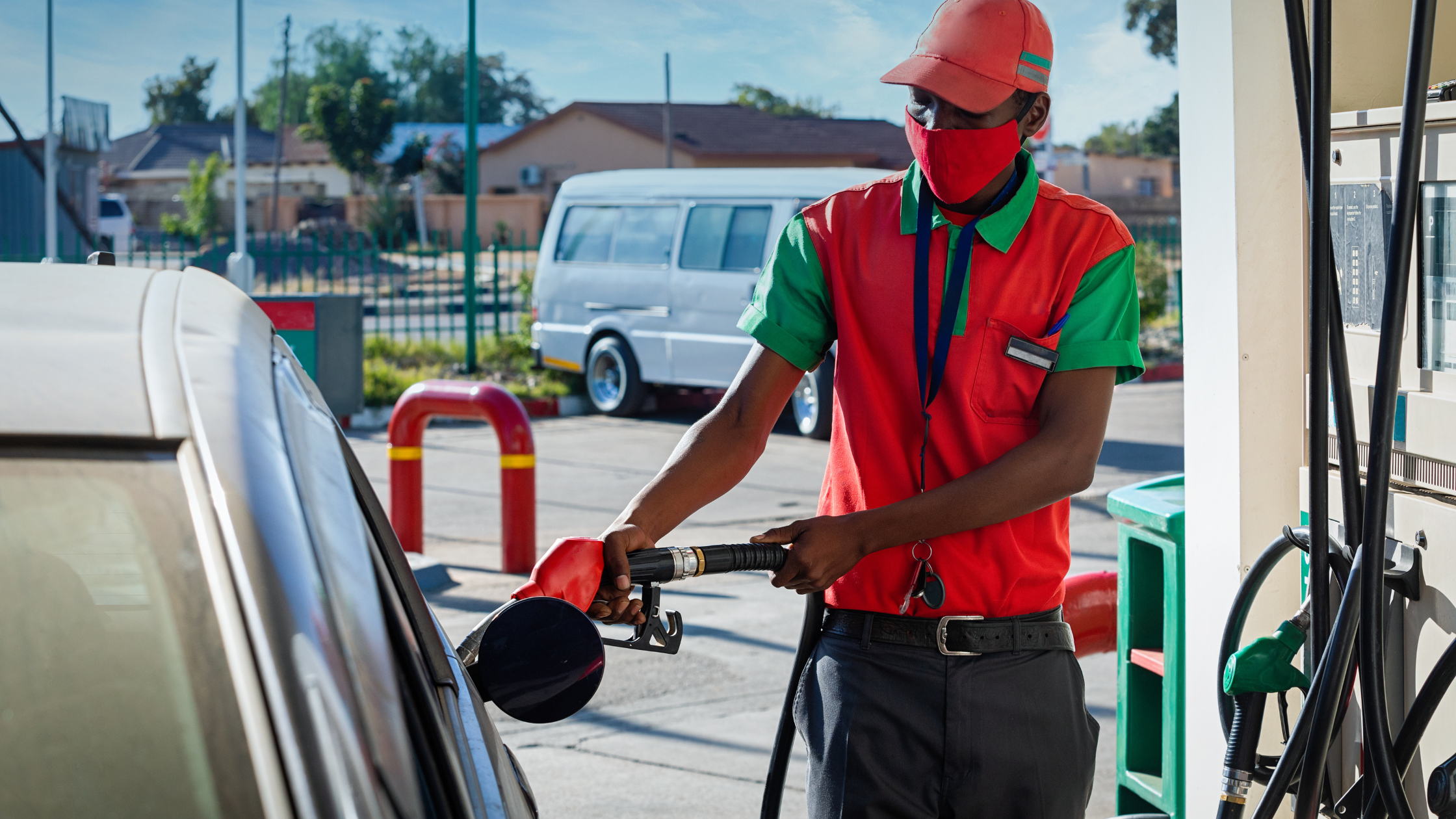
This additional levy will directly translate into higher fuel prices, with economists warning of cascading effects across all sectors. Pakistan already imposes its highest-ever petroleum levies at 78.02 rupees per liter on petrol and 77.01 rupees on high-speed diesel. The new measures come as part of IMF-mandated revenue generation requirements.
Government Decides to Increase Defense Budget Amid Security Concerns
Official data reveals the government has already collected 833.84 billion rupees in petroleum levy between July 2024-March 2025, surpassing the 580 billion collected in FY2022-23. This consistent upward trend in fuel taxation has become a major inflation driver, with transport costs and commodity prices rising in tandem.
The proposed levy would represent the largest fuel tax collection in Pakistan’s history. Economic analysts warn this move will disproportionately impact lower and middle-income households, as increased transportation costs typically trigger price hikes across essential goods and services. With inflation already at painful levels, the new budget measures risk further eroding purchasing power for millions of Pakistanis.
The government maintains these measures are necessary for fiscal stability, but opposition parties and civil society groups are preparing for protests, arguing that IMF-mandated austerity continues to burden ordinary citizens rather than addressing systemic revenue collection issues. As budget debates intensify, all eyes remain on how these proposed fuel taxes might be implemented amid Pakistan’s ongoing economic challenges.