
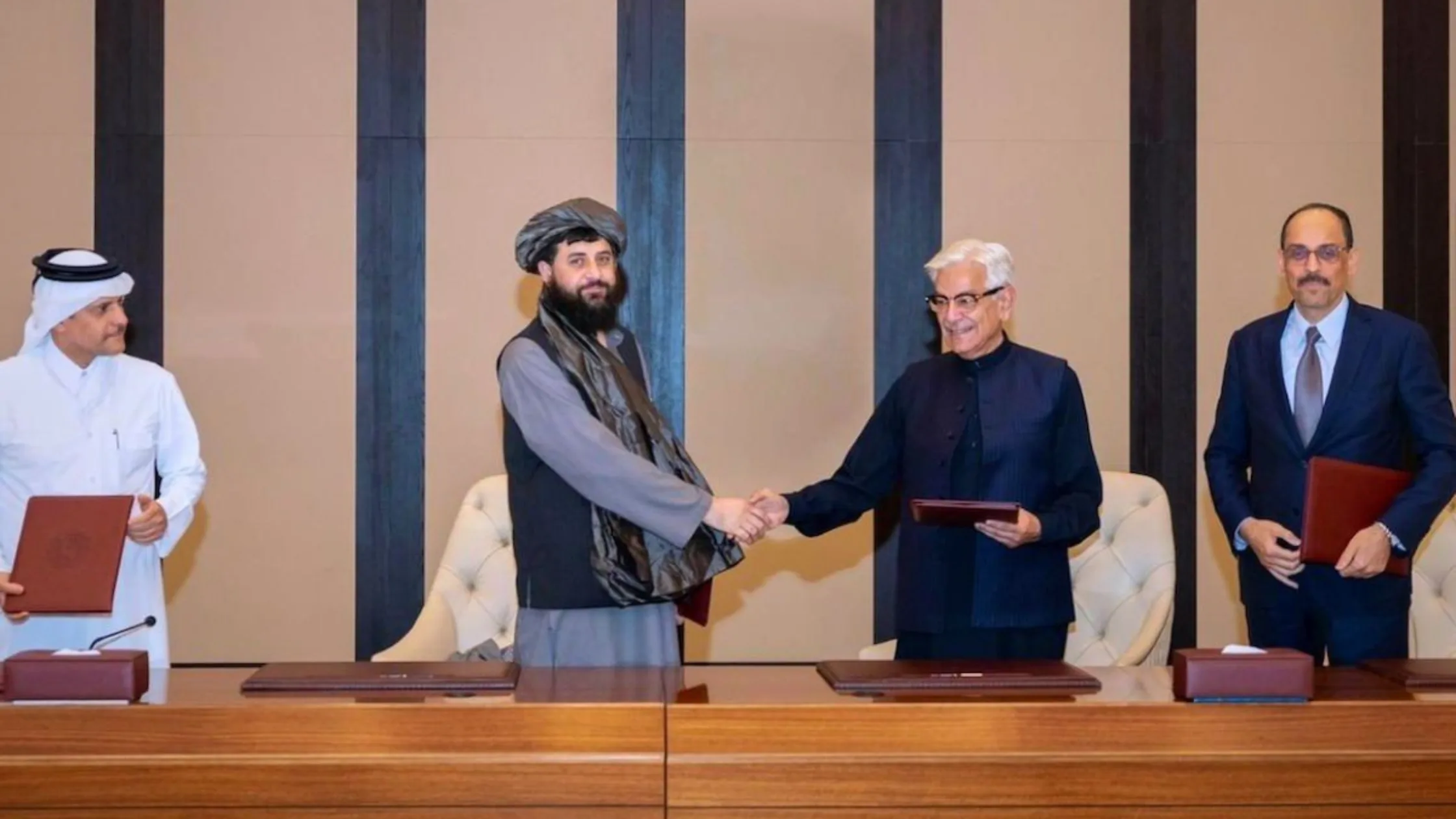
The third round of high-level talks between Pakistan and the Afghan Taliban in Istanbul has ended without progress, as Kabul refused to accept Islamabad’s key counterterrorism proposals. According to diplomatic sources, the Pakistani delegation maintained a firm stance on its security demands, while the Afghan representatives adhered strictly to instructions from their leadership, creating long delays and preventing meaningful dialogue.
Mediators present at the discussions reportedly viewed Pakistan’s demands as fair and in line with international counterterrorism frameworks. Some members of the Taliban delegation also privately conceded that Islamabad’s concerns were legitimate, but the lack of flexibility from Kabul’s side left little room for compromise.
Saudi Arabia Extends $6 Billion Financial Support to Pakistan to Boost Economic Stability
The talks, which were held against the backdrop of escalating border tensions and cross-border militant activity, aimed to establish a joint mechanism for combating terrorism and preventing militant infiltration. Pakistan has repeatedly urged the Afghan government to take concrete action against groups using Afghan soil for attacks inside Pakistan.
Despite several rounds of engagement, officials described the current discussions as “inconclusive”, with no joint statement or follow-up meeting confirmed. Diplomatic insiders suggest that Pakistan may now seek broader international involvement to pressure Kabul into addressing security commitments under previous bilateral agreements.
Analysts note that the stalemate highlights the growing strain in Pakistan-Afghanistan relations, particularly as Islamabad faces rising security threats along its western frontier. The failure to achieve consensus in Istanbul underscores the difficulties in aligning regional counterterrorism priorities amid differing political and ideological agendas.
As the talks close, observers stress that sustained dialogue remains essential to preventing further deterioration in bilateral ties and maintaining regional stability in South and Central Asia.