
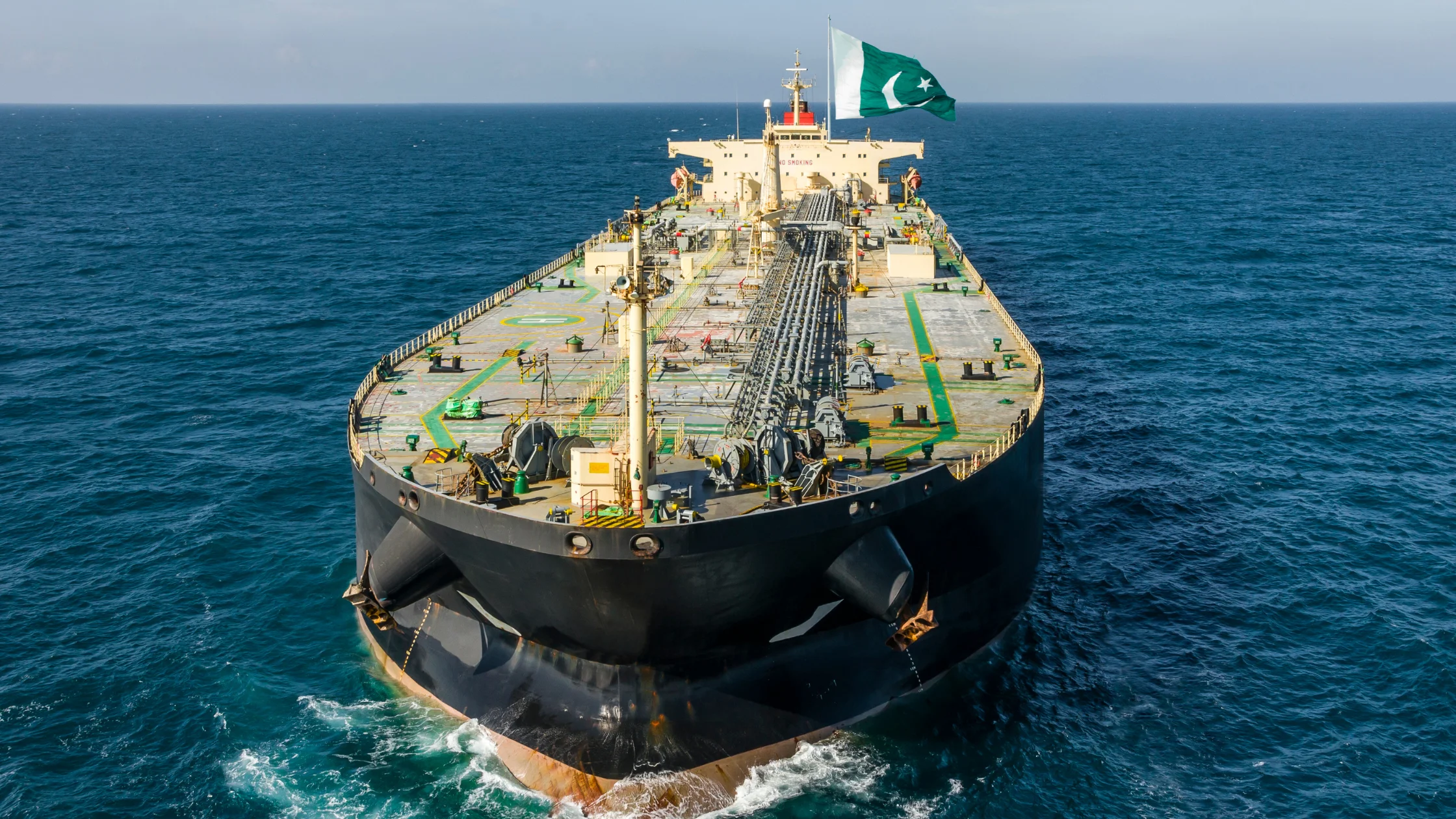
According to Al Jazeera, two oil tankers have successfully passed through the Strait of Hormuz and arrived at Karachi Port. This development comes as part of Pakistan’s efforts to ease the ongoing energy shortage, and local officials are expressing optimism that the crisis could soon be mitigated.
Al Jazeera reports that Pakistan has secured the passage of 18 other ships through the Strait of Hormuz, highlighting a significant increase in oil imports. This demonstrates that the country is actively working to ensure a steady supply of energy despite global market fluctuations and logistical challenges. The successful passage of these tankers is seen as a positive step toward stabilizing the energy sector and providing relief to industries and citizens alike.
However, questions have arisen regarding recent fuel price hikes in Pakistan. While oil is arriving without disruption from the Strait of Hormuz, the government has still increased petrol and diesel prices. Critics argue that this decision places an unnecessary financial burden on the public, especially at a time when citizens are already struggling with inflation and economic pressures. Many are questioning why prices have been raised despite the clear availability of oil shipments, suggesting that the move may be politically motivated or preparing the public for decisions that might not be widely accepted.
Iraq Officially Joins War Against US-Israeli Alliance, Oil Output Plummets
This situation highlights a growing tension between the government’s management of energy imports and its domestic economic policies. While securing oil through the Strait of Hormuz is a major achievement, the benefit has not yet fully translated into relief at the consumer level. Citizens are calling for greater transparency and accountability in pricing decisions, emphasizing that strategic energy imports should be reflected in reduced costs rather than increased economic strain.
As Pakistan continues to navigate global energy challenges, the arrival of these ships marks a hopeful step forward. At the same time, there is strong public pressure for policies that align with the actual supply situation and provide real relief to everyday consumers.