
The power of a passport is one of the most visible indicators of a country’s standing on the global stage. It reflects international trust, diplomatic success, economic health, and the level of security a country shares with the rest of the world. Global mobility has become highly unequal, creating a massive gap between citizens who can travel the world with a single swipe of their document and those who must endure months of paperwork, high fees, and strict interviews just to cross a single border.
The latest global passport rankings highlight this reality. While a select group of Asian and European nations enjoy nearly total freedom of travel, other nations face severe limitations. Pakistan currently sits near the lower end of this global index. However, a deeper look at the data shows that passport strength is not permanent—it changes as a country alters its security frameworks, economic stability, and foreign policy.
The Top Tier: The World’s Most Powerful Passports
The upper ranks of the global travel index are dominated by nations that have built vast networks of international trust, open-market trade agreements, and highly stable diplomatic connections.
[Singapore] ─────────────────────► 192 Destinations Visa-Free
[Japan / South Korea / UAE] ─────► 187 Destinations Visa-Free
[European Union Average] ────────► 183 Destinations Visa-Free
The Unrivaled Leader: Singapore
Singapore holds the absolute top position as the single most powerful passport in the world. Singaporean citizens can enter an incredible 192 destinations completely visa-free or via visa-on-arrival. This supreme level of access is the direct result of Singapore’s deliberate, decades-long policy of geopolitical neutrality, world-class economic integration, and highly valuable trade relationships.
The Asian and Middle Eastern Powerhouses
Directly below Singapore, an elite group consisting of Japan, South Korea, and the United Arab Emirates (UAE) shares the second-tier spotlight. Passports from these nations unlock instant access to 187 destinations worldwide.
-
Japan and South Korea have maintained their elite positions for years due to their massive export economies and exceptionally high levels of international security clearance.
-
The UAE represents one of the most spectacular ascents in passport history. Through focused diplomatic campaigns, open-sky aviation policies, and bilateral trade deals, the Emirati passport has steadily climbed the ranks to become a dominant global power.
The European Fortress of Mobility
European nations continue to showcase incredible strength across the index. Passports from nations like Norway and Switzerland offer hassle-free entry to 185 destinations. Collectively, European Union (EU) member states maintain a highly stable average of 183 destinations.
The United Kingdom and Malaysia closely match this elite standard of mobility, proving that long-term institutional stability and strong international documentation standards translate directly into seamless global travel.
The Low End of the Index: The Mobility Gap
On the opposite end of the spectrum, the global passport index reveals a stark reality for nations wrestling with internal conflict, economic isolation, or geopolitical friction.
[Pakistan] ─────► 31 Destinations Visa-Free
[Iraq] ─────────► 29 Destinations Visa-Free
[Syria] ────────► 26 Destinations Visa-Free
[Afghanistan] ──► 23 Destinations Visa-Free
At the absolute bottom of the global list sits Afghanistan, whose citizens can access a mere 23 destinations without a pre-arranged visa. Directly preceding Afghanistan are Syria (26 destinations) and Iraq (29 destinations).
The vast gap between Singapore at the top (192) and Afghanistan at the bottom (23) reveals an unprecedented historical divide in global mobility. This divide restricts hundreds of millions of people from easily accessing international education, cross-border business ventures, global medical care, and leisure travel.
Where Pakistan Stands: Challenges and Recent Shifts
The latest global passport index places the Pakistani passport at the 98th position, positioning it among the weaker brackets for global mobility. Currently, a regular Pakistani passport holder can enter only 31 destinations via completely visa-free entry, an electronic travel authorization (ETA), or a visa-on-arrival.
While this ranking presents clear day-to-day challenges for holidaymakers and business professionals alike, the broader context tells a more nuanced story. At the start of the year, the passport moved up to the 98th spot from its prior position at 103rd, signaling that localized diplomatic engagements and newly established electronic travel portals are helping to expand access, even if the progress feels gradual.
The Realities of Travel Friction
For the everyday Pakistani traveler, a low global ranking introduces significant travel friction. It means that major economic, educational, and tourism hubs across North America, the European Schengen Zone, and the Gulf Cooperation Council (GCC) require intensive, manual visa processing before departure. This restriction slows down international business expansion, limits spontaneous tourism, and adds an administrative burden to students seeking exposure abroad.
The Turning Point: The Redesign and Enhanced Security
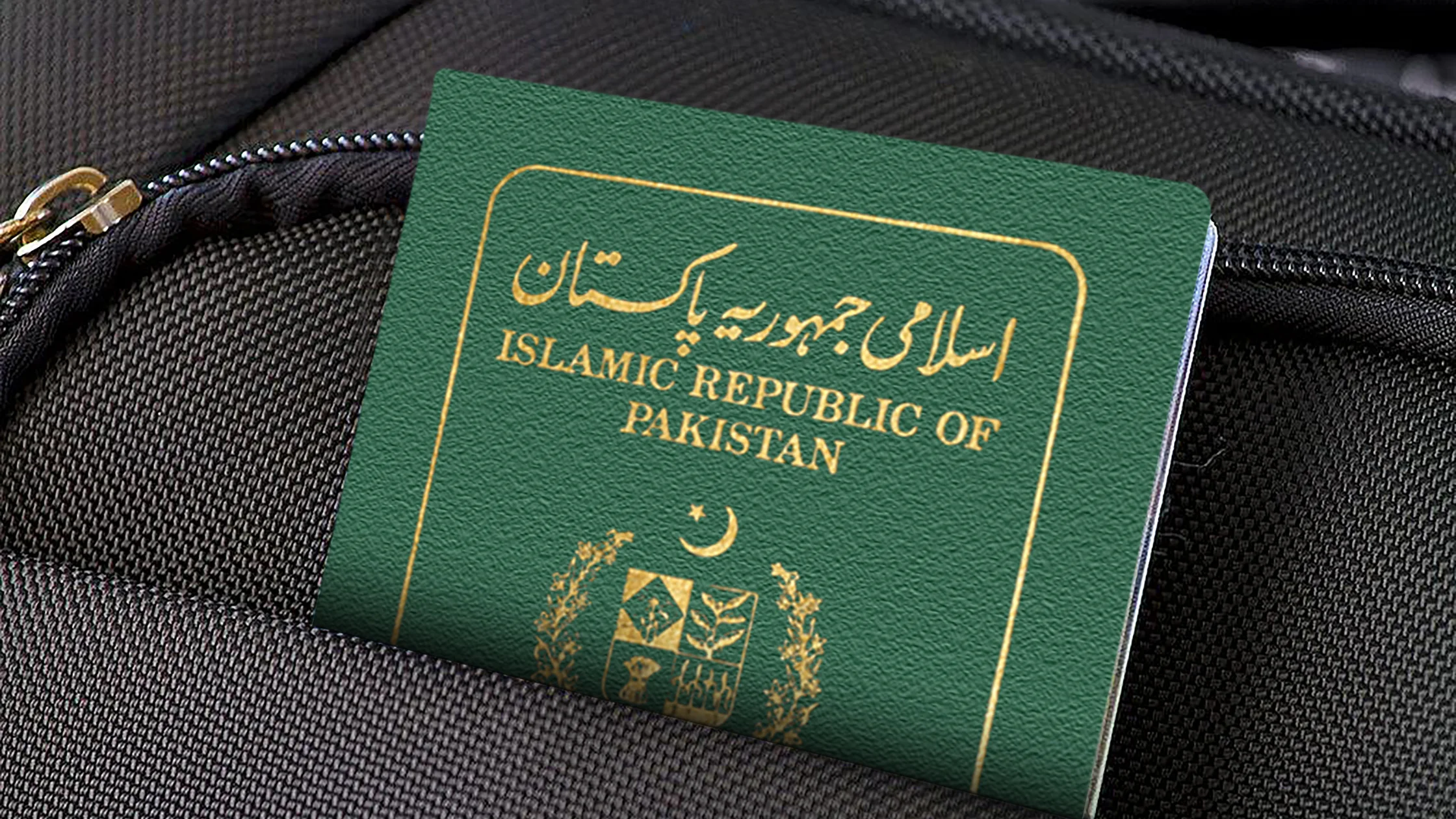
Recognizing that international trust is built upon the security of the physical document itself, Pakistan has authorized and executed a comprehensive, ground-up redesign of its national passport. This initiative goes far beyond simple visual aesthetics; it is a vital structural step toward rebuilding the document’s global reputation.
Advanced Technological Security Upgrades
The newly updated passport integrates cutting-edge biometric and cryptographic security features designed to align with the strictest guidelines of the International Civil Aviation Organization (ICAO).
-
Embedded Microchips: The passport features an encrypted electronic chip containing the holder’s biometric templates, rendering duplication or identity alteration virtually impossible.
-
Anti-Counterfeiting Elements: The pages utilize advanced watermark technologies, UV-reactive inks, and specialized laser engraving that allow border control agents worldwide to immediately verify authenticity.
-
Real-Time Integration: Supporting this launch is a centralized digital management dashboard that monitors applications, print queues, and overseas distribution in real time, dramatically curbing document tampering and logistical delays.
A Canvas of National Identity
Alongside structural security, the redesigned passport serves as a visual showcase of Pakistan’s deep heritage. The internal pages are beautifully decorated with intricately rendered cultural landmarks and historical sites spanning all four provinces and federal territories.
By blending artistic representations of the country’s rich history with modern security infrastructure, the new travel document presents a professional, highly secure, and culturally proud face to international border authorities.
Shifting the Paradigm: How Pakistan Can Strengthen Its Passport
A passport’s power cannot be changed overnight by a simple executive order. Instead, it is a lagging indicator of a country’s overall domestic health and international relations. To steadily climb the global index and unlock more visa-free horizons, Pakistan must execute a multi-front long-term strategy.
       ┌────────────────────────┐
       │ 1. Domestic Stability  │ ──► Lowers immigration risk profile
       └────────────────────────┘
                   │
                   ▼
       ┌────────────────────────┐
       │ 2. Digital E-Passports │ ──► Aligns with ICAO security trust
       └────────────────────────┘
                   │
                   ▼
       ┌────────────────────────┐
       │ 3. Active Diplomacy   │ ──► Secures reciprocal B2B & tourism deals
       └────────────────────────┘
1. Elevating Economic and Political Stability
The single biggest factor that foreign ministries evaluate when granting visa-free entry is immigration risk. When a country enjoys robust economic growth, stable employment rates, and political consistency, its citizens are viewed as high-value tourists and investors rather than individuals seeking unauthorized relocation. Strengthening the local economy is the foundational baseline for boosting the passport.
2. Deepening Diplomatic and Reciprocal Agreements
Modern diplomacy operates on the principle of reciprocity. If Pakistan wishes to secure visa-on-arrival or electronic visa (e-Visa) access in new regions, it must be willing to extend streamlined, digital entry options to citizens of those targeted nations.
Expanding the country’s current online visa portals for incoming tourists, historians, and corporate investors creates a track record of safe, open border management. This positive data can then be leveraged during bilateral negotiations to secure matching travel privileges for Pakistani passport holders.
3. Strict Border Security and Document Verification
By ensuring that the newly launched digital e-passports are universally rolled out across all domestic collection centers and foreign embassies, Pakistan can demonstrate to global security networks like Interpol and European border agencies that its document issuance pipelines are entirely secure. High international confidence in a country’s identity verification systems naturally leads to more relaxed visa regulations over time.
Conclusion: The Road to Global Reintegration
The global passport ranking is a clear reminder of the work that lies ahead for Pakistan’s foreign policy and domestic administration. Sitting at the 98th position with access to 31 destinations presents undeniable limitations, but it also marks a clear baseline from which to grow.
The implementation of advanced biometric e-passports, the deployment of real-time monitoring tracking software, and an active pivot toward international business diplomacy show that the country is laying the essential groundwork for change. As Pakistan continues to stabilize its domestic economy, secure its border infrastructure, and build mutual diplomatic ties, its passport will gradually reflect that progress—ultimately offering its citizens the global mobility, respect, and travel freedom they deserve.
For a visual breakdown of how these passport power dynamics work and what factors influence global mobility shifting over time, you can watch How Powerful Is Your Passport in 2026? | Henley Passport Index Explained. This brief explanation clarifies how international relations and security protocols directly dictate the strength of your travel documents.