
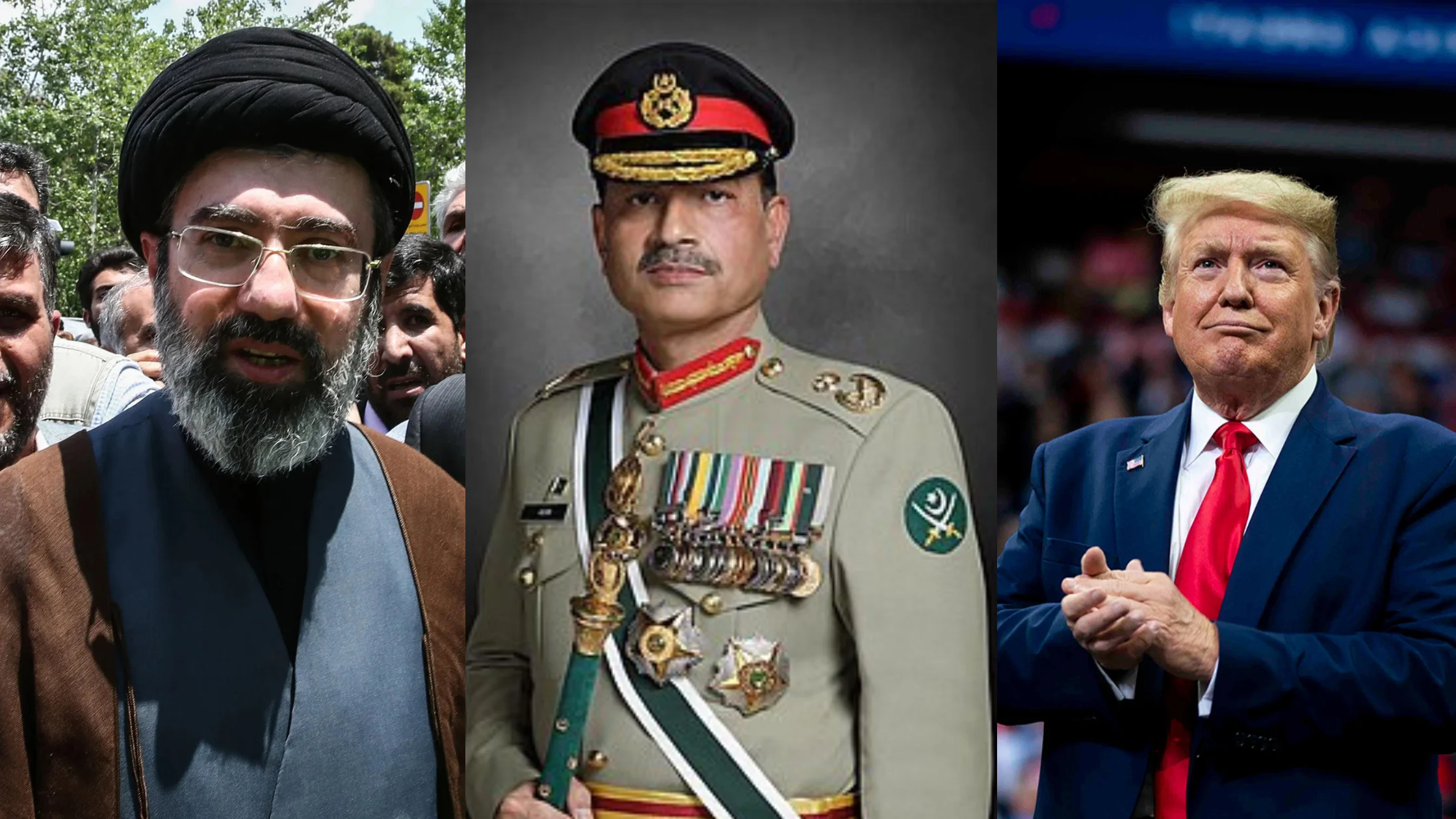
Field Marshal Syed Asim Munir arrival in Tehran on August 24, 2026, has placed Pakistan at the centre of renewed diplomatic efforts aimed at reducing tensions between the United States and Iran. The timing is especially important because Washington is preparing a major new sanctions campaign against Tehran, while previous efforts to restart direct negotiations have stalled. Pakistan’s military chief is visiting Iran alongside Interior Minister Mohsin Naqvi, with Islamabad publicly describing the mission as part of its efforts to promote regional peace and stability.
This is not simply another bilateral Pakistan-Iran meeting. The visit comes after months of Pakistani involvement in attempts to bring Washington and Tehran closer to a negotiated settlement. According to Anadolu Agency, Pakistani sources say Munir is discussing new proposals intended to reopen the Strait of Hormuz and revive direct talks between the United States and Iran.
Pakistan’s Renewed Peace Mission
Pakistan has a strong reason to push for diplomacy. Iran is its western neighbour, and instability in Iran can quickly create problems for Pakistan’s border security, trade, energy supplies and regional economy. At the same time, Islamabad has important relations with Washington and does not want the confrontation to damage its wider diplomatic and economic interests.
The current mission therefore places Pakistan in a difficult but potentially valuable position. Islamabad is trying to act as a bridge rather than choosing one side. That makes Field Marshal Asim Munir’s Tehran visit significant because it could provide another channel through which Washington and Tehran can communicate when direct trust between them remains extremely weak.
A Sensitive Moment for Washington and Tehran
The visit also coincides with a major change in Washington’s economic strategy. US officials are preparing broader secondary sanctions designed to pressure businesses and countries that continue certain forms of economic engagement with Iran. Reuters reported that the measures are intended to intensify pressure on Tehran and target sanctions-evasion networks.
That creates a strange diplomatic picture: pressure is increasing at the same time that mediation efforts are being renewed. Is Washington applying pressure because it wants Iran back at the negotiating table? Or is the sanctions campaign intended to force Tehran into accepting much tougher terms? The answer remains unclear, but the timing of Munir’s visit suggests that diplomacy has not disappeared from the equation.
Asim Munir Arrives in Tehran With Mohsin Naqvi
Field Marshal Asim Munir arrived in Tehran with Interior Minister Mohsin Naqvi as Pakistan intensified its latest effort to promote a peaceful settlement to the wider regional conflict. Iranian Interior Minister Eskandar Momeni received the Pakistani delegation, while Pakistani officials said the visit would focus on bilateral cooperation and wider regional peace.
The presence of both military and civilian officials gives the mission a broader character. Munir brings significant influence on security and strategic matters, while Naqvi’s participation reinforces the political and internal-security dimensions of the discussions. Their combined presence also signals that Islamabad sees the crisis as something that goes beyond military calculations. Border security, regional stability, economic connectivity and diplomatic communication are all linked.
Meetings With Iranian Officials
Munir is expected to meet senior Iranian officials during the visit. Before travelling to Tehran, he also spoke with Iranian Foreign Minister Abbas Araghchi about regional developments and ways to strengthen peace, stability and security in West Asia.
The exact details of the discussions are not fully public, and that is normal for sensitive mediation. Important diplomatic proposals are often discussed privately before governments decide what can be announced publicly. According to Pakistani sources cited by Anadolu Agency, the fresh proposals focus on reopening the Strait of Hormuz and restarting stalled direct negotiations between Washington and Tehran.
That combination is important because the Hormuz issue has become one of the biggest obstacles to a wider settlement. If the waterway can be reopened under an arrangement acceptable to both sides, it could create the breathing space needed for broader negotiations.
Pakistan’s Role in US-Iran Mediation
Pakistan’s role has grown because Islamabad maintains communication with both Washington and Tehran. That is not an easy balancing act. The United States and Iran have deep disagreements, while Pakistan has its own security and economic interests tied to both relationships. Yet that very position gives Islamabad a diplomatic advantage that some other countries may not possess.
Pakistan has already helped facilitate previous contacts between the two sides. According to Reuters, Islamabad played a role in an interim peace arrangement in June, although the process later stalled.
US Missile Stockpiles Under Pressure: What It Could Mean for Global Security and Pakistan
Islamabad’s Unique Position
Pakistan’s geography makes its involvement especially understandable. It shares a border with Iran and has longstanding cultural, economic and diplomatic links with its western neighbour. At the same time, Pakistan has maintained an important relationship with the United States for decades.
This means Islamabad has something at stake regardless of what happens. A major escalation could affect Pakistan directly, while a negotiated settlement could create opportunities for improved regional trade and stability.
Balancing Relations With Both Sides
The biggest challenge is avoiding the appearance of taking sides. Pakistan cannot afford to become an instrument of either Washington or Tehran. Its mediation efforts are more likely to succeed if both sides believe Islamabad is delivering messages rather than political instructions.
Reuters reported that President Donald Trump spoke with Munir before his Tehran trip and asked Pakistan to use its influence to encourage Iran to return to negotiations. The White House has not publicly confirmed the reported call.
That report gives the Tehran visit additional weight. If accurate, it suggests Washington is interested in Pakistan’s ability to communicate with Tehran even while preparing stronger economic pressure.
Why US-Iran Peace Talks Have Stalled
The biggest question is simple: if everyone knows that another war or prolonged confrontation would be costly, why has a deal remained so difficult?
The answer lies in the depth of the disagreement. Washington and Tehran are not arguing over one isolated issue. Their dispute involves security guarantees, military activity, sanctions, energy routes, regional influence and the future of negotiations. Each side also has serious concerns about whether the other can be trusted to honour commitments.
Security Guarantees and Hormuz
The Strait of Hormuz has become one of the central issues. It is a crucial route for global energy shipments, and any prolonged disruption can affect oil prices, shipping and economies far beyond the Middle East. Pakistani sources cited by Anadolu Agency said disagreements over security guarantees and freedom of navigation through Hormuz contributed to the collapse of earlier negotiations.
The dispute is therefore about much more than a waterway. Hormuz represents leverage. Iran sees control over the route as a strategic tool, while Washington wants freedom of navigation and a reduction in threats to shipping.
A workable agreement may require both sides to make concessions. That is precisely where diplomacy becomes difficult.
New Proposals to Revive Direct Negotiations
Fresh proposals are now reportedly being discussed in Tehran. According to Anadolu Agency, Pakistani sources say the proposals are designed to reopen the Strait of Hormuz and bring Washington and Tehran back to direct talks.
The details have not been publicly released, so it would be premature to assume that a final agreement is close. Still, the fact that new proposals are being discussed is important. Diplomacy often starts with small areas of agreement rather than a complete peace package.
The Strait of Hormuz Question
A possible arrangement around Hormuz could become a first step toward rebuilding trust. If ships can move more freely and both sides reduce immediate military pressure, negotiators could have more room to address harder issues.
Recent reporting shows just how sensitive the waterway remains. Iran has maintained strict rules for vessels, while Washington has continued to demand greater freedom of navigation. Reuters reported that the near-total disruption of oil traffic through Hormuz has caused significant economic consequences.
For countries across Asia, including Pakistan, the issue is not abstract. Higher energy prices can increase transportation and production costs, putting additional pressure on consumers and businesses.
US Prepares Tougher Sanctions Against Iran
Washington is not waiting for diplomacy alone. The United States is moving toward a much tougher sanctions strategy against Iran.
Reuters reported on August 24 that the US Treasury Department is preparing to expand secondary sanctions against entities and countries doing business with Iran. The campaign is intended to increase pressure on Tehran and target financial networks used to avoid existing restrictions.
Washington’s Economic Pressure Campaign
US officials have described the upcoming measures in extremely strong terms. Treasury Secretary Scott Bessent has called the campaign an economic “D-Day,” while Washington has warned countries that continued economic support for Iran could bring consequences.
This creates a major challenge for mediation. Iran is being asked to return to negotiations while facing the threat of deeper economic isolation. Tehran, naturally, sees the pressure as coercion.
Yet Washington appears to believe that economic pressure can change Iran’s calculations. The theory is straightforward: increase the cost of refusing negotiations until Tehran decides that an agreement is preferable to continued confrontation.
Whether that strategy works is another matter.
Could Trump Be Seeking Another Iran Peace Deal?
The reported conversation between President Donald Trump and Field Marshal Asim Munir has added another layer to the story. Reuters reported that Trump spoke with Munir before his Tehran visit and asked Pakistan to encourage Iran to return to negotiations. The White House has not publicly confirmed the call.
The Reported Munir-Trump Contact
If the report is accurate, it suggests that Washington still sees diplomacy as a possible route out of the current deadlock. That does not necessarily mean the United States is ready to accept a simple compromise. Instead, Washington may be looking for a way to bring Iran back into negotiations from a position of increased economic pressure.
The phrase “peace deal” therefore needs to be used carefully. There is no confirmed final agreement at this stage. What exists is a renewed mediation effort, new proposals and communication between multiple parties.
Pakistan could help open the door, but Washington and Tehran would still have to walk through it themselves.
Why Iran Is Under Heavy Pressure
Iran is facing intense economic and strategic pressure. US sanctions are being expanded, energy exports have been disrupted and the wider conflict has placed enormous strain on the Iranian economy.
Reuters reported that Iranian officials have rejected Washington’s latest sanctions threats and described them as a sign of desperation. Iranian Foreign Minister Abbas Araghchi has argued that Tehran will not surrender under economic pressure.
Tehran’s Response to Washington
Iran’s position appears to be that negotiations must be based on respect and acceptable security arrangements rather than pressure alone. This is one reason diplomacy remains difficult.
Tehran also wants guarantees. Iranian leaders have little reason to accept an agreement if they believe Washington could simply change its position later. Washington, meanwhile, wants assurances that Iran will comply with any commitments it makes.
This creates a classic trust problem: each side wants guarantees from the other before making its own concessions.
Pakistan’s challenge is to help create a framework where those guarantees become possible.
Why Pakistan Wants the Crisis to End
For Pakistan, this crisis is happening on its doorstep. Iran is not a distant country separated by oceans. It shares a long border with Pakistan, particularly with Balochistan, making regional instability a direct security concern.
A prolonged conflict could affect border movement, trade routes, energy markets and regional investment. It could also increase pressure on Pakistan at a time when Islamabad is already managing its own economic and security challenges.
Security and Economic Concerns
Peace in Iran would benefit Pakistan in several ways. Stable borders make trade easier, while predictable energy markets help businesses and consumers. A calmer Gulf region could also support wider connectivity projects linking South Asia with the Middle East.
Pakistan therefore has a practical reason to support diplomacy. This is not simply about improving Islamabad’s international image. It is about protecting national interests.
At the same time, successful mediation could strengthen Pakistan’s diplomatic position. If Islamabad helps Washington and Tehran return to meaningful negotiations, it could demonstrate that Pakistan can play a constructive role in major regional crises.
What Could Happen After Munir’s Tehran Visit
The immediate result may not be a dramatic peace announcement. Diplomacy rarely works like that.
The more realistic outcome would be agreement on smaller steps: continued communication, reduced tensions, progress on Hormuz, or an understanding about restarting direct negotiations.
Can Pakistan Break the Deadlock?
Pakistan cannot force either side to accept a deal. Its role is that of a facilitator, messenger and confidence-builder.
That distinction matters. Even the most successful mediator needs the parties themselves to compromise. If Washington demands complete capitulation or Tehran refuses meaningful concessions, Islamabad’s room to manoeuvre will remain limited.
Still, mediation matters because communication can prevent misunderstandings. Sometimes a message delivered privately by a trusted third party can achieve what public statements cannot.
That may be Pakistan’s biggest contribution right now.
What the US-Iran Crisis Means for Global Energy
The Strait of Hormuz gives this dispute a global dimension. Any sustained disruption to the waterway can affect energy markets, shipping costs and inflation across multiple economies.
Anadolu reported that the reopening of Hormuz is now central to the fresh proposals being discussed during Munir’s Tehran visit.
The stakes are enormous because countries far from the Middle East depend on stable energy flows. When shipping becomes riskier, insurance costs rise. When oil supplies become uncertain, prices can climb. When energy becomes expensive, businesses often pass those costs on to consumers.
That is why a US-Iran agreement would matter well beyond Washington and Tehran. It could influence fuel prices, transportation, manufacturing and inflation across Asia and other markets.
Pakistan’s Growing Diplomatic Importance
Pakistan’s mediation efforts could become one of the most important elements of its foreign policy in 2026.
Islamabad has relationships with countries that have sharply different interests. If it can maintain communication with Washington, Tehran and regional partners at the same time, it can potentially serve as a useful diplomatic bridge.
The opportunity is significant, but so is the responsibility. Mediation requires patience, confidentiality and credibility. One poorly handled message can damage trust quickly.
Pakistan therefore needs to maintain a careful balance. It must make clear that its goal is regional stability rather than advancing one country’s agenda.
Risks Facing Islamabad’s Mediation Efforts
There is no guarantee that the renewed effort will succeed. The biggest risk is that Washington and Tehran remain too far apart to accept compromise.
Another risk is that sanctions or military incidents could change the situation before diplomacy has time to work. If tensions rise sharply, even carefully prepared proposals could become irrelevant.
Pakistan also faces the possibility of pressure from different sides. Washington may expect Islamabad to use its influence with Tehran, while Tehran may be wary of any message perceived as originating from Washington.
That is why Islamabad must protect its credibility with both sides.
What to Watch in the Coming Days
The next few days could reveal whether Munir’s Tehran visit has produced meaningful movement.
The most important signs will be whether Washington and Tehran agree to restart direct negotiations, whether restrictions around the Strait of Hormuz ease, and whether further diplomatic contacts are scheduled.
Oman’s foreign minister is also due to visit Tehran, according to Reuters, adding another regional diplomatic channel to the rapidly developing situation.
The US sanctions announcement will also matter. If Washington significantly expands pressure on Iran while simultaneously supporting indirect diplomacy, the two-track strategy will become clearer.
For now, the door to negotiations appears open, but only slightly.
Conclusion
Field Marshal Asim Munir’s visit to Tehran on August 24, 2026, comes at one of the most sensitive moments in the ongoing US-Iran confrontation. Pakistan is again trying to use its relationships with both countries to create a path back to negotiations. According to current reporting, new proposals are focused particularly on reopening the Strait of Hormuz and reviving direct talks between Washington and Tehran.
The reported conversation between US President Donald Trump and Munir before the Tehran trip adds further significance to Pakistan’s role, although the White House has not publicly confirmed the call.
At the same time, Washington is preparing tougher sanctions against Iran, while Tehran continues to reject what it sees as economic coercion. That contradiction makes the diplomatic challenge even harder.
Pakistan cannot guarantee a peace deal. What Islamabad can do is keep communication alive, present possible compromises and encourage both sides to step away from escalation.
The coming days will show whether that effort can turn a narrow diplomatic opening into genuine negotiations. For Pakistan, the goal is clear: prevent another major regional escalation, protect its own national interests and help create conditions in which diplomacy has a chance to succeed.
Frequently Asked Questions
1. Why is Field Marshal Asim Munir visiting Tehran?
Field Marshal Asim Munir is visiting Tehran as part of Pakistan’s efforts to promote regional peace and stability. Current reports say the visit also involves renewed attempts to revive stalled US-Iran negotiations.
2. Is Pakistan trying to mediate between the US and Iran?
Yes. Pakistan has been involved in mediation efforts between Washington and Tehran and is again attempting to facilitate communication. Pakistani sources say fresh proposals are being discussed to help restart direct negotiations.
3. What is the Strait of Hormuz issue?
The Strait of Hormuz is a critical global energy and shipping route. Its disruption has become a major point of disagreement between Iran and the United States and is reportedly central to the latest diplomatic proposals.
4. Did Donald Trump ask Asim Munir to encourage Iran to negotiate?
Reuters reported that Trump spoke with Munir before his Tehran trip and asked Pakistan to use its influence to encourage Iran to return to negotiations. The White House has not publicly confirmed the reported conversation.
5. Will Asim Munir’s visit result in a US-Iran peace deal?
It is too early to say. Pakistan can facilitate communication and propose compromises, but any final agreement would have to be accepted by both Washington and Tehran. The immediate goal appears to be reopening negotiations and reducing tensions rather than announcing a completed peace deal.