
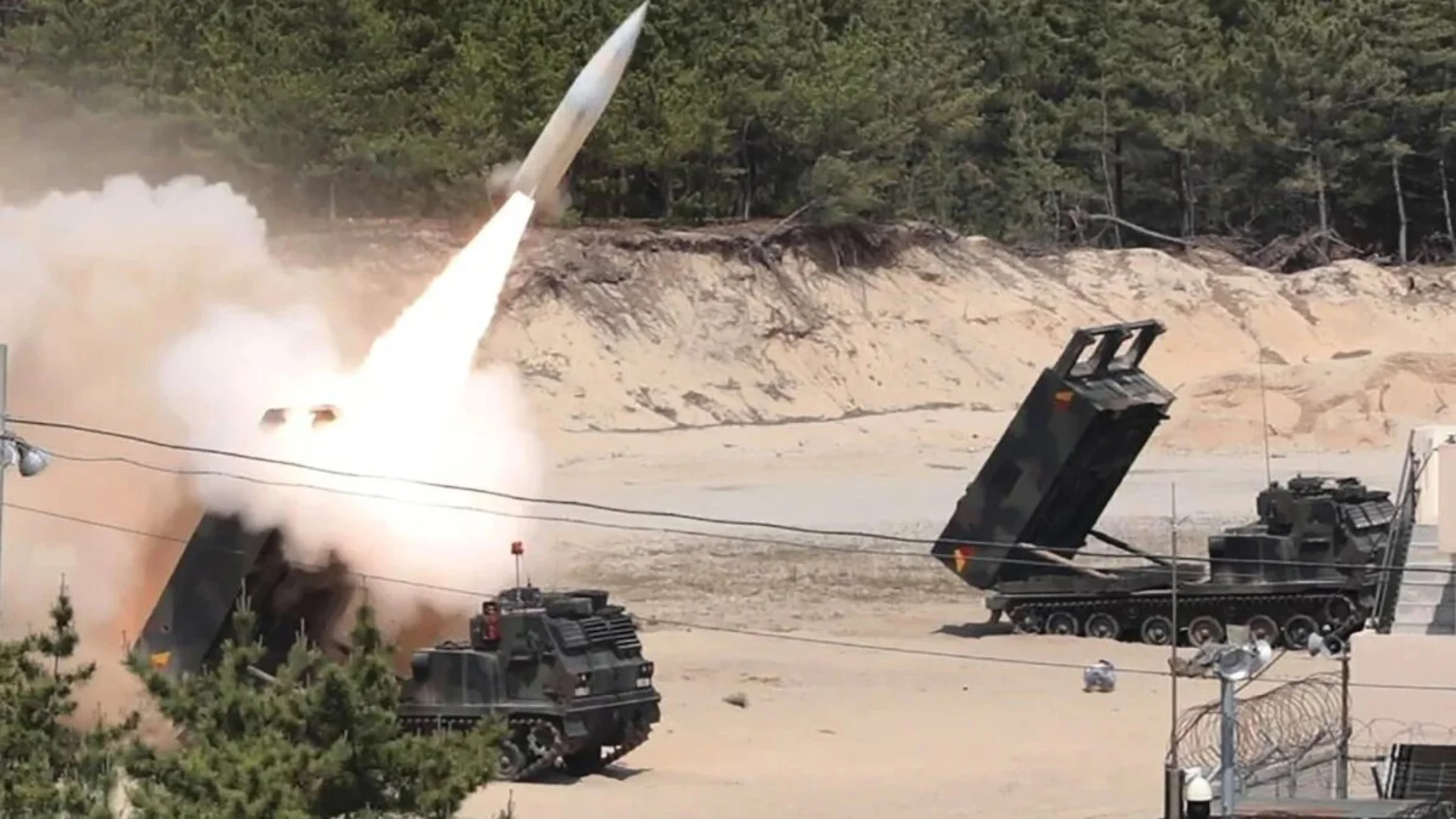
A recent Reuters report has raised questions about the sustainability of the United States’ missile inventory after months of military operations against Iran. According to the report, the conflict has significantly reduced US stocks of several advanced precision-guided weapons, highlighting the logistical challenges of prolonged, high-intensity warfare.
The report states that a substantial share of Patriot interceptor missiles, THAAD air defense interceptors, and Tomahawk cruise missiles has already been used. These weapons have played a central role in long-range operations, allowing the US to strike targets while minimizing the risks faced by pilots operating in contested airspace.
Pakistan and Belarus Reaffirm Commitment to Expanding Bilateral Cooperation
Military analysts note that advanced missiles require complex manufacturing processes and specialized components, making them difficult to replace quickly. Even with defense production running at high capacity, replenishing these stockpiles could take years rather than months. Reuters also reported that US military planners have begun reallocating missile reserves from other regions to support ongoing operations.
The implications extend beyond the battlefield. A prolonged conflict and increased demand for advanced weapons could reshape regional security calculations, particularly in the Middle East. Countries that rely on stable Gulf energy supplies are closely monitoring developments, as any disruption to critical infrastructure could affect global oil markets and increase fuel prices.
For Pakistan, the situation is significant because of its economic and strategic ties to the Gulf region. Any escalation that disrupts energy supplies or regional trade routes could place additional pressure on import costs, inflation, and overall economic stability. At the same time, changing global security priorities may influence diplomatic and defense relationships across South Asia.
While it is too early to predict how the conflict will evolve, the report highlights an important reality: modern wars are not only fought on the battlefield but also depend heavily on industrial capacity, logistics, and supply chains. The ability to sustain military operations over an extended period has become just as important as technological superiority.