
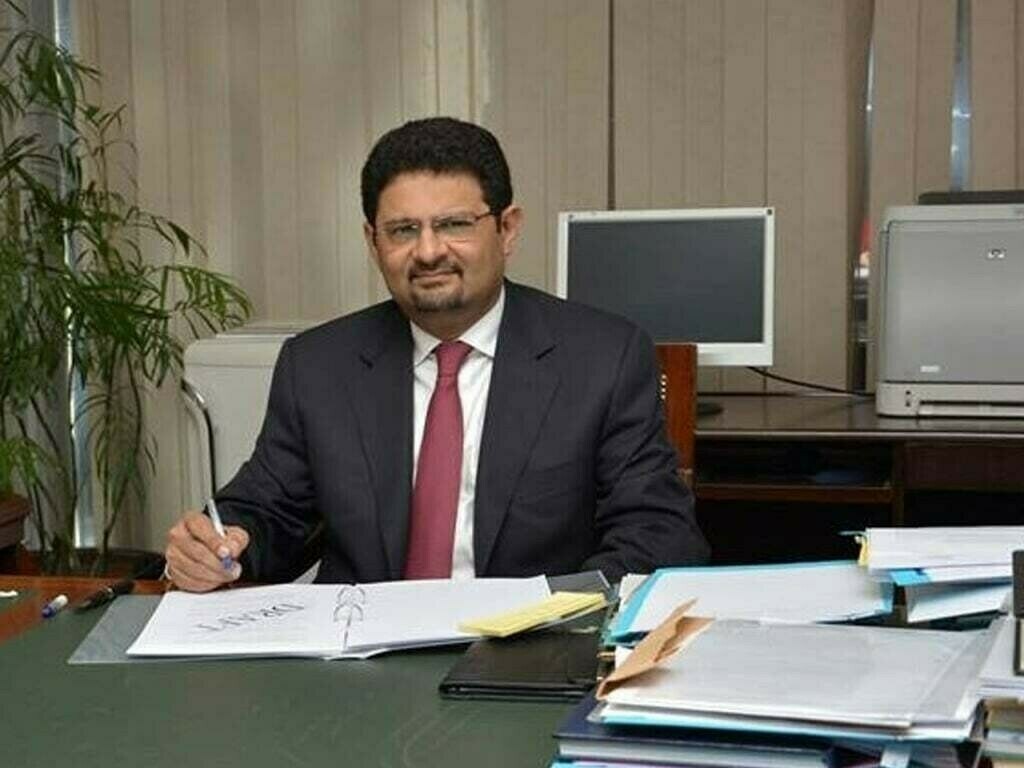
Former Finance Minister Miftah Ismail has made startling revelations about how salary increases for government employees are actually determined, claiming the entire process is pre-planned with the Prime Minister’s knowledge.
In an interview with Geo News, Ismail explained what he called the “theatrics” of salary hikes: “A 6% increase proposal is presented in the budget, then the Prime Minister ‘rejects’ it to approve 10% instead. This whole drama is pre-arranged – the PM knows everything beforehand.”
The disclosure came as Ismail criticized the government’s contradictory fiscal policies. While advocating “right-sizing” and claiming to reduce ministry expenses, the upcoming budget actually increases civil government expenditures by 17%.
Ismail questioned this inconsistency: “If inflation is truly at 5% as the government claims, why increase expenditures by 17%?” His comments highlight growing concerns about transparency in economic policymaking.
The former minister’s remarks have sparked debate about budgetary processes, with opposition parties seizing on them as evidence of orchestrated political maneuvers. Government supporters, however, argue such mechanisms ensure balanced wage growth while maintaining fiscal responsibility.
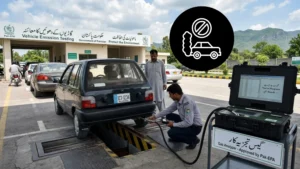
Potential Good News in Budget: Which Cars Are About to Become Cheaper?
This revelation comes amid public sector unions demanding higher raises to cope with rising living costs. Economists warn that Ismail’s account, if accurate, reveals systemic issues in Pakistan’s financial governance where optics often outweigh substantive economic planning.
The controversy also raises questions about previous budget announcements where similar salary increase “dramas” were staged. Political analysts suggest such theatrics aim to create an image of benevolent leadership while maintaining controlled expenditure growth.
As Pakistan faces economic challenges, Ismail’s insider account provides rare insight into how key financial decisions are actually made behind closed doors. The disclosure may fuel calls for more transparent budgeting processes and evidence-based economic policymaking.
The Finance Minister has not yet officially responded to Ismail’s claims. However, sources suggest the government views such mechanisms as necessary for balancing employee expectations with fiscal realities.
This development comes as the new budget shows significant increases in defense and development spending alongside the civil government expenditure hike, suggesting broader economic priorities that extend beyond public sector salaries.