

This year’s Pakistan Budget for 2025–26 allocates a total of Rs 17.6 trillion, marking a 7% reduction from FY25. The decrease reflects the government’s commitment to cutting non-priority spending while maintaining funds for vital areas.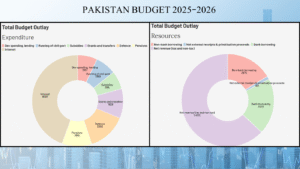
2. GDP Growth Target: 4.2%
The government has set a growth target of 4.2% for FY26, up from the estimated 2.7% growth in FY25. This ambitious aim reflects hopes for stronger business activity, higher investment, and improvements in agriculture, industry, and services.
3. Inflation Projection: 7.5%
An inflation rate of 7.5% is being targeted—down from previously higher levels. If achieved, this would ease living cost pressures and boost confidence among consumers and investors alike.
4. Budget Deficit: 3.9% of GDP
The projected budget deficit stands at 3.9% of GDP, a reduction from FY25’s levels. This narrowing is part of an IMF-aligned effort to stabilize the economy, reduce borrowing, and improve fiscal resilience.
5. Primary Surplus Goal: 2.4% of GDP
The budget aims for a primary surplus of 2.4%, meaning revenues will exceed non-interest expenditures. This surplus is critical in managing debt and reducing interest burden over time.
6. FBR Revenue Target: Rs 14.13 Trillion
The Federal Board of Revenue is tasked with collecting Rs 14.13 trillion, representing an 18.7% year-on-year increase. This revenue boost is essential to lower deficits and fund development initiatives.
7. Non‑Tax Revenue Projection: Rs 5.15 Trillion
The budget projects Rs 5.15 trillion in non-tax revenue from areas like state-owned enterprises, Central Bank profits, and regulatory fees, further strengthening the government’s income base.
8. Interest Payments: Rs 8.207 Trillion
Interest servicing will consume Rs 8.207 trillion, slightly down from previous years. Yet, this huge figure highlights how much of the budget is dedicated to debt repayment rather than new projects.
9. PSDP Allocation: Rs 1 Trillion
The Public Sector Development Programme receives Rs 1 trillion, funding infrastructure growth through highways, hospitals, water projects, and energy facilities aimed at balancing regional development.
10. Defence Spending: Rs 2.55 Trillion
Defence gets Rs 2.55 trillion, a sharp 20% increase. This rise is driven by strategic priorities and regional security considerations, reflecting Pakistan’s emphasis on national defense.
11. Pensions: Rs 1.05 Trillion

A total of Rs 1.05 trillion is allocated for pensions, ensuring continued financial support for retired government employees—a rising burden due to demographic trends.
12. Subsidies: Rs 1.19 Trillion
Subsidies worth Rs 1.19 trillion are planned, covering energy, food, and utilities. These subsidies aim to cushion vulnerable citizens, though targeted distribution is necessary for greater efficiency.
13. BISP Funding: Rs 716 Billion
The Benazir Income Support Programme receives Rs 716 billion, a significant 21% increase, reinforcing the government’s commitment to poverty reduction and social protection.
14. Higher Education Commission: Rs 39.5 Billion
Allocations of Rs 39.5 billion to the HEC support scholarships, research funding, and university infrastructure projects aimed at boosting education quality and accessibility.
15. Science & Technology Budget: Rs 4.8 Billion
Investment in science and technology is set at Rs 4.8 billion, aimed at nurturing innovation, supporting research labs, and building digital infrastructure.
16. Agriculture Growth Target: 4.5%
The budget aims for 4.5% growth in agriculture, supported by irrigation projects, tax measures for high-income farmers, and subsidies to boost productivity and rural incomes.
17. Industry Growth Target: 4.3%
Industry is expected to grow by 4.3%, backed by reduced export duties, incentives for domestic production, and support for small and medium-sized enterprises (SMEs).
18. Services Growth Target: 4.0%
With an anticipated 4.0% growth in services, the government is focusing on IT, telecom, tourism, and financial services to bolster urban employment and economic diversity.
Potential Good News in Budget: Which Cars Are About to Become Cheaper?
19. Income Tax Slab Changes
Significant tax relief has been introduced:
- 5% slab (Rs 60,000–120,000/mo) → 1%
- 15% slab → 11%
- 25% slab → 23%
- Surcharge reduced from 10% to 9%
These changes aim to boost disposable income for the middle class and increase consumption.
20. Super Tax Reduction
A 0.5% reduction in super tax rates applies to incomes between Rs 200 million–500 million, offering relief to large businesses and promoting business confidence.
21. Real Estate Tax Updates
Advance tax on property transactions has been lowered by 150 basis points, and the Federal Excise Duty (FED) has been removed, making property investment more attractive.
22. Solar Panel Tax: 18%
A new 18% tax on solar panels was introduced, potentially affecting consumer and business investment in clean energy.
23. Carbon Tax: Rs 2.5/litre
To combat pollution and raise revenue, a carbon tax of Rs 2.5 per litre is imposed on petrol, diesel, and furnace oil, influencing fuel prices and encouraging cleaner practices.
24. Auto Industry Tax: 18%
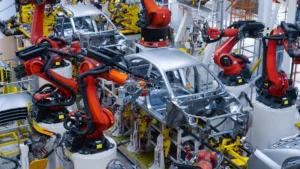
The preferential 12.5% tax on vehicles under 850cc has been eliminated, reinstating a uniform 18% tax, which may increase car prices and impact buyer behavior.
Challenges & Risks
While goals are clear, the Pakistan Budget for 2025–26 faces major risks: achieving high revenue growth, managing inflation, honoring IMF conditions, and ensuring effective policy enforcement.
Frequently Asked Questions (FAQs)
1. What is the total size of the Pakistan Budget for 2025–26?
The budget totals Rs 17.6 trillion, down 7% from last year.
2. What is the GDP growth target in the Pakistan Budget for 2025–26?
The government aims for a 4.2% GDP growth in FY26.
3. How much is allocated for BISP in the Pakistan Budget for 2025–26?
Rs 716 billion has been allocated, a 21% increase from FY25.
4. Were income tax slabs changed in the Pakistan Budget for 2025–26?
Yes, lower tax rates were introduced to ease the burden on middle-income groups.
5. What are the key sector growth targets in the Pakistan Budget for 2025–26?
- Agriculture: 4.5%
- Industry: 4.3%
- Services: 4.0%