

Pakistan is stepping into a new era of transportation, and honestly, it feels like a long-awaited shift. With rising fuel prices and growing environmental concerns, the government is finally focusing on electric vehicles (EVs) as a serious solution. Recently, under the leadership of Shehbaz Sharif, a major decision was announced to provide electric bikes on easy installments to government employees up to Grade 16. This move is not just about convenience—it’s about changing how people move across cities.
Think about it for a moment. Daily commuting in Pakistan often means spending a large chunk of income on petrol. Electric bikes, on the other hand, promise lower running costs, less maintenance, and a cleaner environment. The government’s vision is simple but powerful: reduce dependency on imported fuel while improving the quality of life for ordinary workers.
What makes this initiative even more interesting is its timing. With global trends shifting toward sustainability, Pakistan is aligning itself with international goals. Electric bikes are not just machines—they represent a future where transportation is smarter, cheaper, and greener.
Key Highlights of the Electric Bike Scheme
The newly announced scheme focuses on government employees up to Grade 16, which includes a large portion of Pakistan’s workforce. This makes the initiative inclusive and impactful. Instead of targeting only high-income individuals, the government is focusing on middle and lower-income employees who need financial support the most.
The installment plan is the real game changer here. Instead of paying a large upfront amount, employees will be able to pay in small monthly installments, making electric bikes accessible to many who previously couldn’t afford them. It’s like turning a dream into something practical and reachable.
Another important aspect is transparency. The government has emphasized that subsidies and benefits under the National EV Policy will be distributed fairly. This ensures that the scheme doesn’t just exist on paper but actually reaches the people who need it.
This initiative also creates a ripple effect. When more people start using electric bikes, demand increases, and that encourages local manufacturers to produce more affordable and better-quality vehicles.
Role of Prime Minister in EV Promotion
Leadership of Shehbaz Sharif in Energy Reform
Leadership often defines the direction of a country, and in this case, Shehbaz Sharif is pushing for a transformation in the energy and transport sectors. During the high-level meeting held in Islamabad, he stressed the importance of accelerating efforts to promote electric vehicles.
He pointed out something very practical: Pakistan spends billions of dollars on fuel imports every year. By shifting to electric vehicles, the country can significantly reduce this burden. It’s not just about saving money—it’s about building a stronger, more independent economy.
His approach reflects a forward-thinking mindset. Instead of reacting to problems, the government is trying to prevent them. Encouraging EV adoption today means fewer energy crises tomorrow.
Strategic Decisions Taken in Islamabad Meeting
The meeting wasn’t just a discussion—it resulted in concrete decisions. Officials shared updates on ongoing EV projects, including manufacturing and infrastructure development. The government also reviewed progress on subsidies and emphasized speeding up implementation.
One of the most important announcements was the plan to increase EV adoption to 30% within five years. That’s an ambitious target, but it shows the seriousness of the government’s commitment.
Environmental Benefits of Electric Bikes
Electric bikes are not just about saving money—they’re about saving the planet. Traditional motorcycles release harmful gases that contribute to air pollution. In cities like Lahore and Karachi, smog has become a serious health issue. Electric bikes, however, produce zero tailpipe emissions, making them a cleaner alternative.
Imagine waking up to clearer skies and breathing fresh air. That’s the kind of future EVs promise. Reduced pollution also means fewer health problems, which translates into lower healthcare costs for families.
This shift is especially important for future generations. By adopting cleaner technology today, Pakistan is investing in a healthier tomorrow.
Economic Impact of EV Adoption
Fuel Import Savings
Pakistan spends billions on importing fuel every year. By promoting electric vehicles, the country can reduce this dependency significantly. According to government estimates, the EV transition could save up to $4.5 billion in fuel costs over the next few years.
That’s a massive number. These savings can be redirected toward education, healthcare, and infrastructure development. It’s like freeing up resources that were previously locked into fuel expenses.
Boost to Local Manufacturing Industry
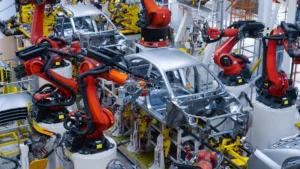
The EV push is also creating opportunities for local industries. So far, 72 manufacturing licenses for electric bikes and rickshaws have been issued, along with 4 for electric cars. This means new factories, new jobs, and a stronger industrial base.
Local production also helps reduce costs, making electric bikes more affordable for consumers. It’s a win-win situation for both the economy and the people.
Growth of EV Infrastructure in Pakistan
No EV revolution can succeed without proper infrastructure. The good news is that Pakistan is making progress in this area as well. So far, 123 applications for EV charging stations have been received, showing strong interest from investors.
Charging stations are the backbone of electric mobility. Without them, even the best electric bikes would struggle to gain popularity. The government is working to ensure that these stations are available across major cities and highways.
This development also encourages private investment. As infrastructure grows, more businesses are likely to enter the EV market, further accelerating growth.
Future Targets and EV Policy
30% Electric Vehicles Goal
The government has set a bold target: 30% of all vehicles in Pakistan will be electric within five years. While this may sound ambitious, it’s achievable with the right policies and support.
This target reflects a long-term vision. It’s not just about today’s benefits but about creating a sustainable future for generations to come.
Long-Term Economic and Energy Benefits
Switching to electric vehicles reduces reliance on imported fuel and strengthens energy security. It also aligns Pakistan with global environmental standards, improving its international image.
Over time, this shift can transform the entire transportation sector, making it more efficient and environmentally friendly.
Challenges in Implementing the Scheme
Awareness and Accessibility Issues
Despite its benefits, the scheme faces some challenges. Many people are still unfamiliar with electric vehicles and may hesitate to adopt them. Awareness campaigns will be essential to educate the public.
Accessibility is another concern. While installment plans make bikes affordable, availability in rural areas may still be limited.
Infrastructure Limitations
Charging infrastructure is still in its early stages. Expanding it quickly will be crucial for the success of the EV initiative.
Public Response and Expectations
Employee Reactions
Government employees have generally welcomed the initiative. For many, it’s an opportunity to own a vehicle without financial strain. The installment plan makes it practical and appealing.
Market Trends
The EV market in Pakistan is already showing signs of growth. With government support, this trend is expected to accelerate rapidly.
Conclusion
Pakistan’s decision to provide electric bikes to government employees on easy installments is more than just a policy—it’s a shift toward a smarter future. It addresses economic challenges, reduces environmental impact, and improves everyday life for thousands of people.
The road ahead may have challenges, but the direction is clear. Electric vehicles are no longer a distant dream—they’re becoming a reality on Pakistan’s streets.
FAQs
1. Who is eligible for the electric bike scheme?
Government employees up to Grade 16 are eligible for this scheme.
2. How will the installment plan work?
Employees can pay for electric bikes through affordable monthly installments instead of a full upfront payment.
3. What are the benefits of electric bikes?
They reduce fuel costs, require less maintenance, and produce zero emissions.
4. How much fuel cost can Pakistan save with EVs?
The country can save up to $4.5 billion in fuel imports.
5. What is the government’s EV target?
Pakistan aims to convert 30% of vehicles to electric within five years.