

The Government of Pakistan has launched the Prime Minister’s Electric Bike and Rickshaw Scheme 2026 under the PAVE program (Prime Minister’s Affordable Vehicle Electrification initiative) to promote eco-friendly and cost-effective transportation across the country. This ambitious initiative is designed to reduce fuel consumption, curb pollution, and provide affordable mobility options for ordinary citizens.
According to the CEO of the Engineering Development Board (EDB), Hamad Ali Mansoor, the program is part of the government’s broader plan to encourage the adoption of electric vehicles (EVs) in Pakistan, supporting a sustainable and cleaner environment.
Funding Allocation and Subsidy Structure
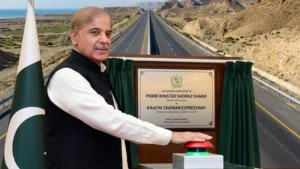
The government has allocated a total of Rs100 billion for the electric bike and rickshaw scheme over the next five years. For the current fiscal year, Prime Minister Shehbaz Sharif has earmarked Rs9 billion to kickstart the project.
Under the program:
- Electric motorcycles: Rs80,000 subsidy per bike, with a target to subsidize 116,000 motorcycles this year.
- Electric rickshaws: Rs400,000 subsidy per rickshaw.
This significant financial backing ensures that electric vehicles are more affordable for citizens and promotes mass adoption across urban and rural areas.
Targets and Distribution Goals
The government has set ambitious distribution goals to ensure maximum impact. Under the current fiscal year:
- 76,000 electric motorcycles are expected to be distributed by June 2026.
- A parallel distribution program is underway for electric rickshaws, which will cater to commercial drivers and small business owners.
This initiative not only targets environmental benefits but also aims to create employment opportunities in the EV industry and related service sectors.
Prime Minister Shehbaz Sharif Visits the United States for Board of Peace Inaugural Meeting
Cost Advantage of Electric Vehicles
The scheme offers a competitive price advantage for buyers. According to Hamad Ali Mansoor:
- The cost of electric bikes under the scheme is Rs50,000 to Rs60,000 lower than other brands available in the market.
- This price reduction, combined with government subsidies, makes electric bikes and rickshaws accessible to a wider segment of the population, particularly middle- and lower-income groups.
This affordability is expected to accelerate the shift from traditional petrol-powered vehicles to electric alternatives.
Eligibility Criteria for Beneficiaries
To benefit from the scheme, applicants must meet specific eligibility requirements:
- Pakistani citizenship: Applicants must be legal residents of Pakistan.
- Age criteria: Typically, applicants should be 18 years or older to own and operate an electric bike.
- Proper documentation: National Identity Card (NIC) and proof of residence are mandatory.
- Business focus (for rickshaws): Electric rickshaw applicants may need to provide proof of business or taxi registration to qualify for the subsidy.
These eligibility criteria ensure that the benefits are distributed fairly and reach the intended population.
Environmental Benefits of Electric Vehicles
The shift to electric bikes and rickshaws will significantly reduce carbon emissions, helping Pakistan combat air pollution in major cities like Karachi, Lahore, and Islamabad. Some of the key environmental advantages include:
- Reduction in fuel consumption: EVs rely on electricity rather than petrol or diesel.
- Lower greenhouse gas emissions: A decrease in vehicle exhaust leads to improved air quality.
- Noise pollution reduction: Electric engines operate quietly, making cities less noisy.
The government hopes that widespread adoption of EVs will complement other clean energy initiatives in the country.
Economic Impact and Job Creation
The Prime Minister’s EV Scheme is not only environmentally friendly but also economically beneficial. Key impacts include:
- Boost to local manufacturing: Encourages domestic production of electric bikes and rickshaws.
- Job creation: Opportunities in assembly, maintenance, charging station management, and EV service centers.
- Entrepreneurship support: Rickshaw drivers can expand their businesses with lower operating costs.
This program is designed to stimulate economic growth while fostering green transportation solutions.
Electric Rickshaw Advantages
Electric rickshaws under the scheme come with several benefits:
- Subsidized cost: Rs400,000 per unit.
- Lower running expenses: Electricity is cheaper than petrol, reducing operational costs.
- Environment-friendly design: No exhaust emissions, making them suitable for city use.
- Enhanced mobility: Ideal for short-distance commutes and commercial purposes.
By targeting rickshaw drivers, the government ensures that electric vehicles reach both private citizens and commercial users.
Electric Bike Advantages
Electric bikes offer significant advantages for individuals:
- Affordability: Subsidies and price reduction make them accessible.
- Low maintenance: Electric motors require less maintenance than petrol engines.
- Convenience: Easy to charge at home or public charging points.
- Eco-friendly: Reduces the carbon footprint for daily commuters.
With these benefits, electric bikes are expected to become a preferred choice for city commuters.
Role of the Engineering Development Board (EDB)
The Engineering Development Board is responsible for implementing and monitoring the scheme. Its responsibilities include:
- Overseeing distribution and registration of electric vehicles.
- Ensuring subsidy disbursement is transparent and efficient.
- Coordinating with local manufacturers and dealerships for proper delivery.
- Setting quality standards for all electric bikes and rickshaws under the program.
The involvement of EDB ensures accountability and smooth execution of the initiative.
Timeline for the Scheme
The government has planned a phased rollout:
- Immediate phase: Distribution of 76,000 electric motorcycles by June 2026.
- Next phases: Additional electric bikes and rickshaws over the remaining fiscal year.
- Long-term goal: 5-year plan to promote 116,000 electric motorcycles and a proportional number of rickshaws, creating sustainable green mobility.
This timeline ensures that adoption accelerates quickly, and benefits are felt nationwide.
Public Awareness and Support
Public awareness campaigns will play a crucial role in the success of the program. These campaigns will:
- Educate citizens about the scheme’s benefits.
- Promote registration and application processes.
- Highlight environmental and economic advantages.
- Encourage urban commuters to switch from petrol-powered vehicles to EVs.
Citizen participation is key to achieving the scheme’s objectives.
Future Prospects of EV Adoption in Pakistan
With the Prime Minister’s Electric Bike and Rickshaw Scheme, Pakistan is taking a significant step toward modernizing its transportation infrastructure. Expected outcomes include:
- Increased EV adoption in cities and rural areas.
- Reduction in national fuel dependency.
- Development of a green transportation ecosystem, including charging stations and service centers.
- Promotion of locally manufactured electric vehicles, boosting the industrial sector.
If successful, the scheme could serve as a model for other South Asian countries seeking sustainable mobility solutions.
Conclusion
The Prime Minister’s Electric Bike and Rickshaw Scheme 2026 represents a major initiative for Pakistan to adopt clean, affordable, and sustainable transportation. With substantial subsidies, a well-planned distribution strategy, and a strong focus on environmental and economic benefits, the program is set to transform the way Pakistanis travel. Citizens, particularly low- and middle-income groups, now have a real opportunity to access eco-friendly vehicles while contributing to a greener future.
FAQs
1. What is the Prime Minister’s Electric Bike and Rickshaw Scheme 2026?
It is a government initiative under the PAVE program to subsidize electric bikes and rickshaws, making eco-friendly transport affordable for citizens.
2. How much subsidy is provided for electric bikes?
The government offers Rs80,000 subsidy per electric motorcycle under the scheme.
3. How much subsidy is provided for electric rickshaws?
Each electric rickshaw receives a subsidy of Rs400,000, making them more affordable for drivers.
4. How many electric bikes will be distributed this year?
Approximately 116,000 electric motorcycles are planned for distribution, with 76,000 expected by June 2026.
5. Who is eligible to apply for the scheme?
Applicants must be Pakistani citizens aged 18 or older, with proper documentation. Rickshaw applicants may need proof of commercial use.