
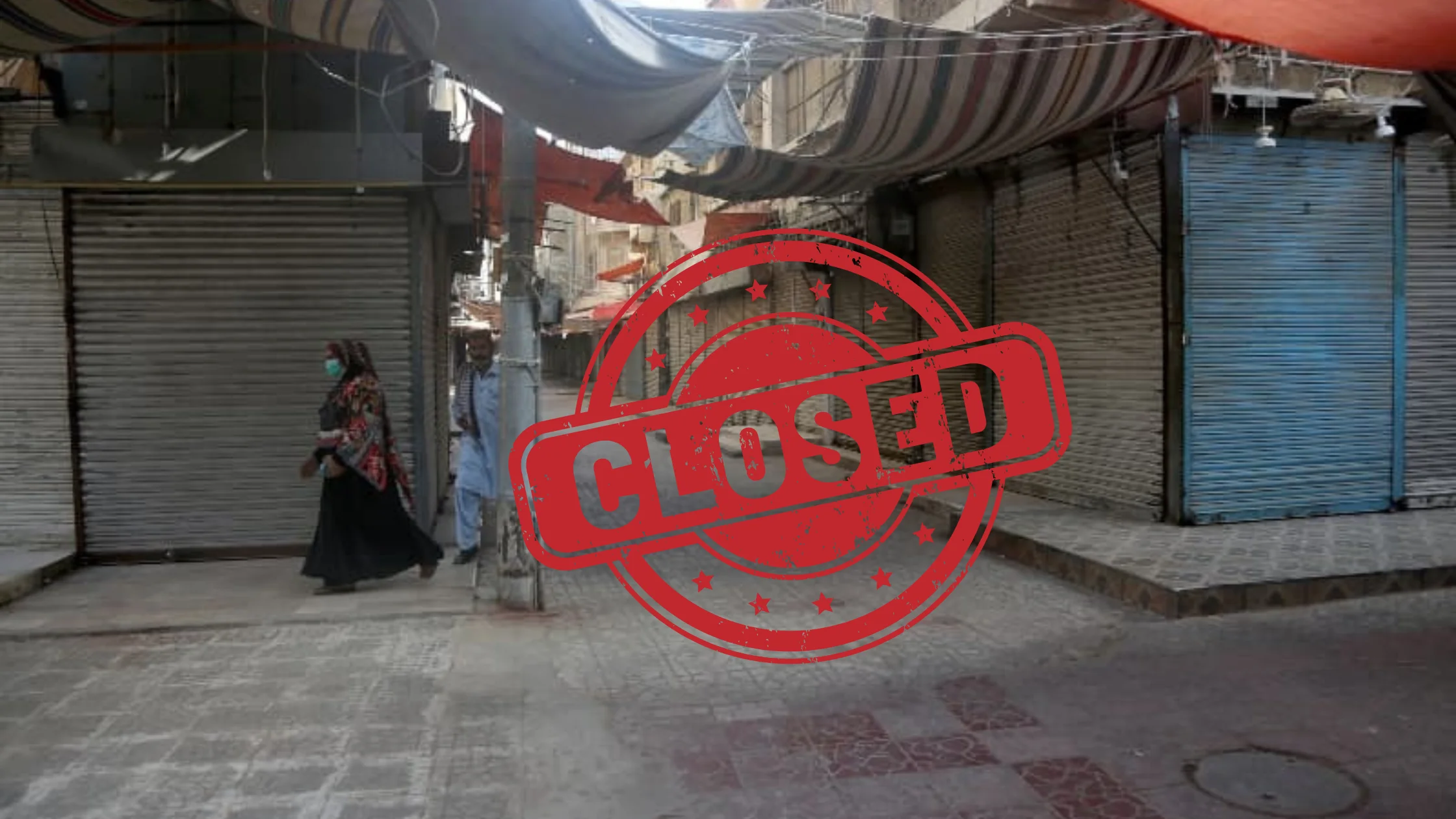
Pakistan has taken a strong step toward managing its ongoing energy crisis by announcing new conservation measures that will directly affect daily life across the country. In a high-level meeting led by Shehbaz Sharif, the government decided to enforce early closing times for markets, shopping malls, and commercial centers. Starting from April 7, most businesses in major regions including Punjab, Khyber Pakhtunkhwa, Balochistan, Islamabad, Gilgit-Baltistan, and Azad Jammu and Kashmir will be required to shut down by 8pm. This move is aimed at reducing electricity consumption during peak hours and easing pressure on the national power system.
The decision reflects the government’s growing concern over rising energy demand and limited supply. By shortening business hours, authorities hope to significantly cut down on electricity usage, especially in the evening when consumption is at its highest. However, some flexibility has been introduced in certain areas. In divisional headquarters of Khyber Pakhtunkhwa, markets and shopping centers will be allowed to remain open until 9pm, giving businesses a bit more time to operate while still contributing to energy savings.
Sazgar Accelerates Global Drive: Rickshaw Exports Target New Markets
In addition to markets and malls, other businesses will also follow strict closing schedules. Grocery stores, retail shops, and departmental stores must close by 8pm, while food-related outlets such as restaurants, bakeries, and tandoors can operate until 10pm. Wedding halls and marquees have also been included in the plan, with all events required to end by 10pm. These measures are designed to create a uniform system that ensures energy conservation across different sectors without completely shutting down economic activity.
Interestingly, medical stores and pharmacies have been exempted from these restrictions, recognizing their essential role in public health and emergency needs. Meanwhile, discussions are still ongoing with the Sindh government to implement similar rules in that province. This shows that while the policy is being rolled out nationwide, some regional adjustments are still under consideration. Overall, these steps highlight Pakistan’s urgent need to balance economic activity with energy efficiency in challenging times.