
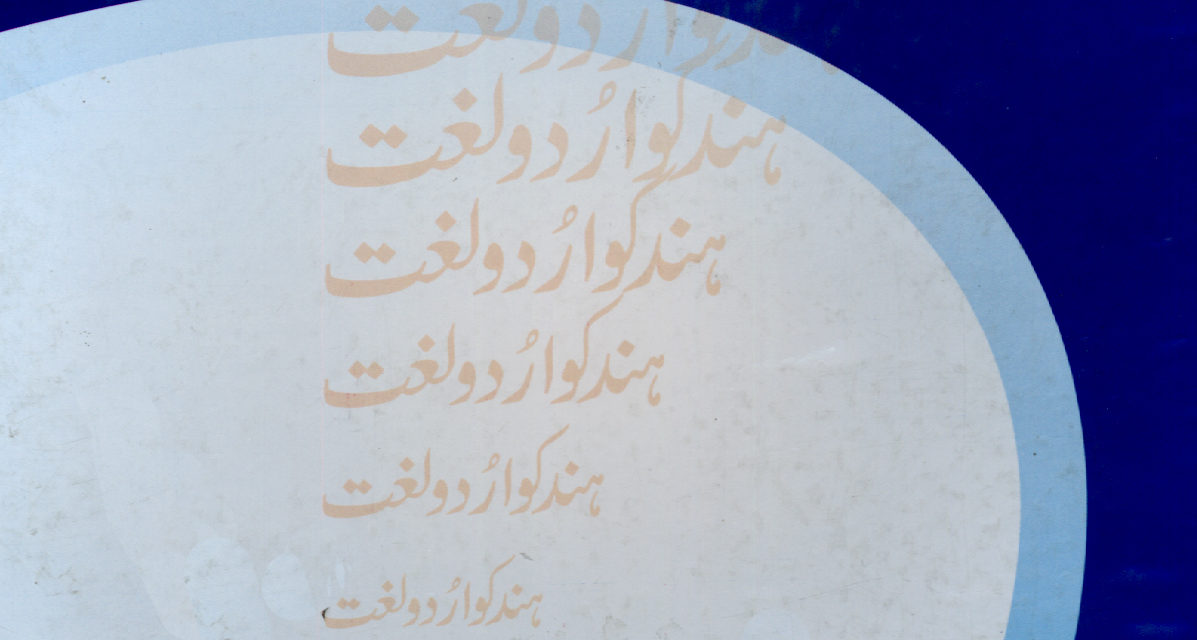
Languages aren’t just words strung together—they’re a heartbeat, a memory, a way of life. Hindko language is one such language, quietly weaving its magic through the hills and valleys of Pakistan. It’s more than just a means of communication; it’s a cultural treasure trove, holding centuries of stories, traditions, and emotions.
Let’s take a moment to shine a light on Hindko—a language that doesn’t just speak but sings the soul of its people.
What Makes Hindko Special?
Hindko means “language of the Indian mountains,” and it truly feels like it belongs to the land, as if it grew along with the trees and flowed with the rivers. Spoken mostly in Hazara, parts of Khyber Pakhtunkhwa, and Azad Kashmir, Hindko is the voice of millions who have kept its charm alive, generation after generation.
It’s more than a regional dialect—it’s a bond that unites communities across diverse landscapes, from bustling cities to tranquil hilltops.
Tracing Hindko’s Roots
Hindko’s history isn’t written in dry textbooks—it’s etched in the hearts of its people and whispered in the winds of the subcontinent. Its story is as old as the hills it comes from, evolving over centuries while adapting to the empires, trade routes, and cultures that touched the region.
A Language with Ancient Footprints
Some say Hindko is as old as the Indo-Aryan languages, thriving for over 2,000 years. Imagine the countless lives it has touched and the history it has witnessed—every war, every celebration, every whispered secret.
Mughal Splendor in Hindko’s Voice
During the Mughal era, Hindko truly came into its own, becoming a medium for poetry, storytelling, and folklore. Its rhythm and beauty made it a language of the arts, a mirror reflecting the cultural richness of its time.
The British Era and Beyond
Colonial rule may have pushed Hindko to the sidelines, but it stayed alive where it mattered most—in homes, hearts, and the warm exchanges of everyday life. Through all the upheavals, Hindko remained a language of love and resilience.
The Many Shades of Hindko
Hindko isn’t a single note; it’s a symphony. Each region adds its own twist, making it a language of endless variety. The Hindko spoken in Abbottabad feels different from the Hindko of Peshawar, yet both carry the same soul.
People often dismiss Hindko as a dialect, but that’s like calling a rainbow just a color. Hindko is vast, nuanced, and full of character—a language that stands tall on its own.
Hindko in Literature and Life
Hindko isn’t just spoken; it’s felt. It’s in the poetry of legends like Sultan Bahu and the timeless folk tales passed from one generation to the next.
These stories aren’t just entertainment—they’re life lessons, moral compasses, and reminders of where we come from. Whether it’s a tale of bravery or a cheeky anecdote, Hindko’s folklore is alive and kicking, keeping its essence vibrant and relatable.
Challenges and Hope for Hindko Language
But here’s the thing: Hindko is facing a fight for survival. With Urdu and English taking over schools and screens, the younger generation is drifting away from their linguistic roots.
Yet, there’s hope. Organizations and passionate individuals are stepping up, documenting Hindko’s beauty, broadcasting it on the radio, and sharing it online. They’re ensuring that Hindko doesn’t just survive but thrives.
Why Hindko Deserves Your Love
Hindko isn’t just a language—it’s a piece of history, a slice of culture, a living legacy. Each word carries the weight of its past and the promise of its future. In a world rushing toward sameness, Hindko is a reminder to celebrate what makes us unique.
Hindko isn’t loud, but it doesn’t need to be. Its beauty lies in its quiet strength, its ability to connect people across generations and geographies.
So, the next time you hear Hindko being spoken, take a moment to appreciate it. It’s more than just a language, it’s a journey through time, a melody that deserves to be heard and cherished.
After all, Hindko isn’t just a part of history—it’s a living, breathing part of who we are.