

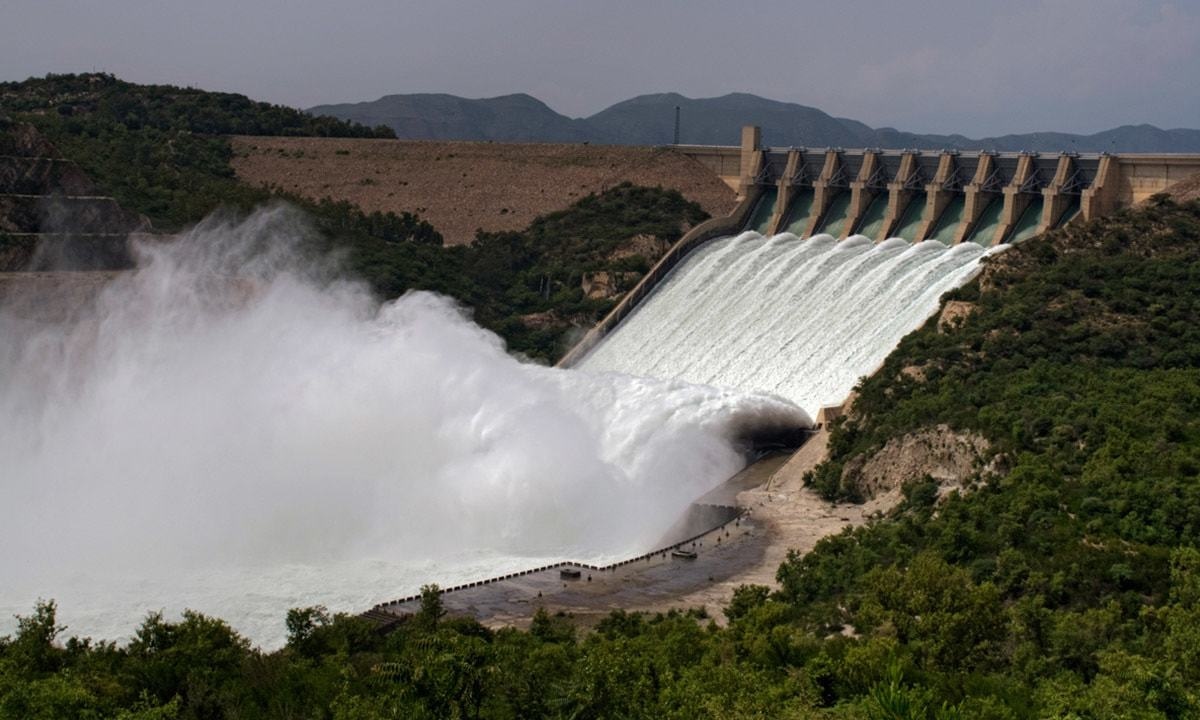
India has once again escalated tensions in the region by beginning work on two hydroelectric power projects in occupied Kashmir without informing Pakistan, raising serious concerns about regional stability and water security. According to international reports, India is increasing its water storage capacity on these projects, directly violating the Indus Waters Treaty, which India is legally obliged to follow. The treaty, signed in 1960, governs water sharing of the Indus River system between Pakistan and India. Previously, India had unilaterally suspended the treaty, but according to the terms, it is supposed to adhere to its provisions and seek mutual agreement for any changes.
The recent developments include India constructing and expanding water reservoirs in the occupied Kashmir region, despite Pakistan’s protests and objections. Additionally, India has shut the gates of the Salal Dam on the Chenab River, significantly reducing water flow to only 5,300 cusecs, which could have severe implications for agriculture, drinking water, and ecological balance in downstream Pakistan. This move follows an incident on April 22 in Pulwama, where a violent attack resulted in the deaths of 26 civilians and injuries to a dozen others. India’s government has blamed Pakistan without credible evidence and, in its typical confrontational approach, announced the suspension of the Indus Waters Treaty, further fueling tensions between the two nations.
Pakistan strongly rejects these unilateral Indian actions, emphasizing that they violate international agreements and threaten regional peace. Islamabad asserts that water is a vital resource for its people and economy, and any attempt to alter water flow unilaterally endangers regional stability. Pakistan has called on the international community to intervene and hold India accountable for its violations of the treaty. The ongoing situation reflects broader geopolitical frictions, including cross-border violence, diplomatic disputes, and military posturing. Both countries are at a critical juncture, and increased tensions over water and security issues could have far-reaching consequences for peace and stability in South Asia.
As regional leaders and international agencies observe these developments, it is essential that diplomatic efforts are intensified to restore dialogue and uphold treaties that promote peace. Water is a shared resource that requires cooperation and mutual respect; unilateral actions undermine trust and pose dangers for millions dependent on these water systems. The world must work together to ensure that conflicts over water resources are resolved peacefully, respecting international law, and safeguarding regional stability for the future.