

Federal Minister for Planning and Development Ahsan Iqbal has said that the “Made in Pakistan” vision can help give the country a stronger identity in international markets and turn Pakistani products into globally recognised brands.
Speaking during a review meeting on the progress of the 2025–2029 action plan with China, the minister stressed that increasing exports is essential for achieving long-term economic stability. He said Pakistan needs to move beyond simply producing goods for the local market and focus on improving quality, innovation and competitiveness so Pakistani products can succeed internationally.
China remains an important partner in this strategy, particularly in areas such as information technology, agriculture and skills development. Iqbal highlighted cooperation aimed at strengthening Pakistan’s IT sector and preparing young people with modern skills and professional training.
Ahsan Iqbal Predicts Pakistan Could Become a $1 Trillion Economy by 2035
Agriculture is another major area of collaboration. According to the minister, 1,000 Pakistani students have been sent to China for agricultural training, while Pakistan is also benefiting from Chinese support in modern agricultural research. Better technology and training could help improve productivity and create new opportunities for agricultural exports.
The two countries are also working together on Green Pakistan projects, with climate resilience becoming increasingly important as Pakistan faces severe climate-related challenges. These initiatives could support efforts to build a more sustainable economy while improving environmental resilience.
Iqbal also highlighted the Uraan Pakistan program and its role in supporting economic development. He stressed that stronger exports will remain one of the most important factors in maintaining economic stability and improving Pakistan’s position in global markets.
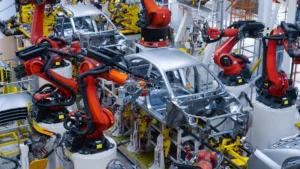
The “Made in Pakistan” vision is therefore about more than putting a label on products. It represents an ambition to build a reputation for Pakistani goods based on quality, innovation, skills and international competitiveness.
If Pakistan can successfully strengthen its industries, develop its young workforce and expand exports, locally made products could gain a much stronger presence around the world.
Can “Made in Pakistan” become a globally trusted brand like “Made in China” or “Made in Japan”? Share your thoughts below. 👇