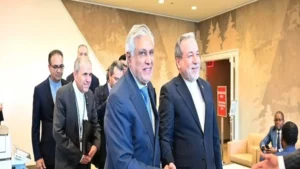


The Marco Rubio has stated that the decision to temporarily halt the so-called “Project Freedom” was taken following a request from Pakistan. According to his statement, the move was made in order to allow diplomatic efforts a better chance of success and to explore the possibility of reaching a broader agreement.
Marco Rubio explained that Pakistani officials had conveyed their position, suggesting that if the operation or initiative was paused, it could create a more favorable environment for negotiations. He added that the United States agreed to the request in the interest of supporting ongoing diplomatic engagement and reducing tensions in the region.
The U.S. official further noted that the decision reflects a broader preference within the American leadership to prioritize diplomacy over escalation. He also stated that former President Donald Trump has consistently supported diplomatic solutions where possible, especially when there is potential for negotiated outcomes.
U.S. Imposes New Sanctions Over Iran’s Oil Shipments to China
While details about “Project Freedom” remain limited, the announcement has drawn attention due to its potential implications for regional stability and international negotiations involving multiple stakeholders. Analysts believe that such decisions often signal behind-the-scenes diplomatic activity aimed at preventing further escalation and encouraging dialogue.
The statement has also highlighted the role of Pakistan in regional diplomatic efforts, particularly in situations involving sensitive geopolitical issues. Observers note that Pakistan’s involvement in requesting a pause suggests active engagement in facilitating communication between major international players.
International relations experts say that temporary suspensions of strategic initiatives are often used as tools to create space for negotiations, confidence-building measures, and conflict de-escalation.
The development is being closely watched by global political analysts, as it may influence future diplomatic interactions and shape the direction of ongoing negotiations in the broader region.