
The United States has announced new sanctions targeting 12 individuals and entities accused of helping facilitate Iran’s oil shipments to China. The latest measures are part of Washington’s ongoing efforts to limit Iran’s access to international financial systems and reduce revenue generated through oil exports.
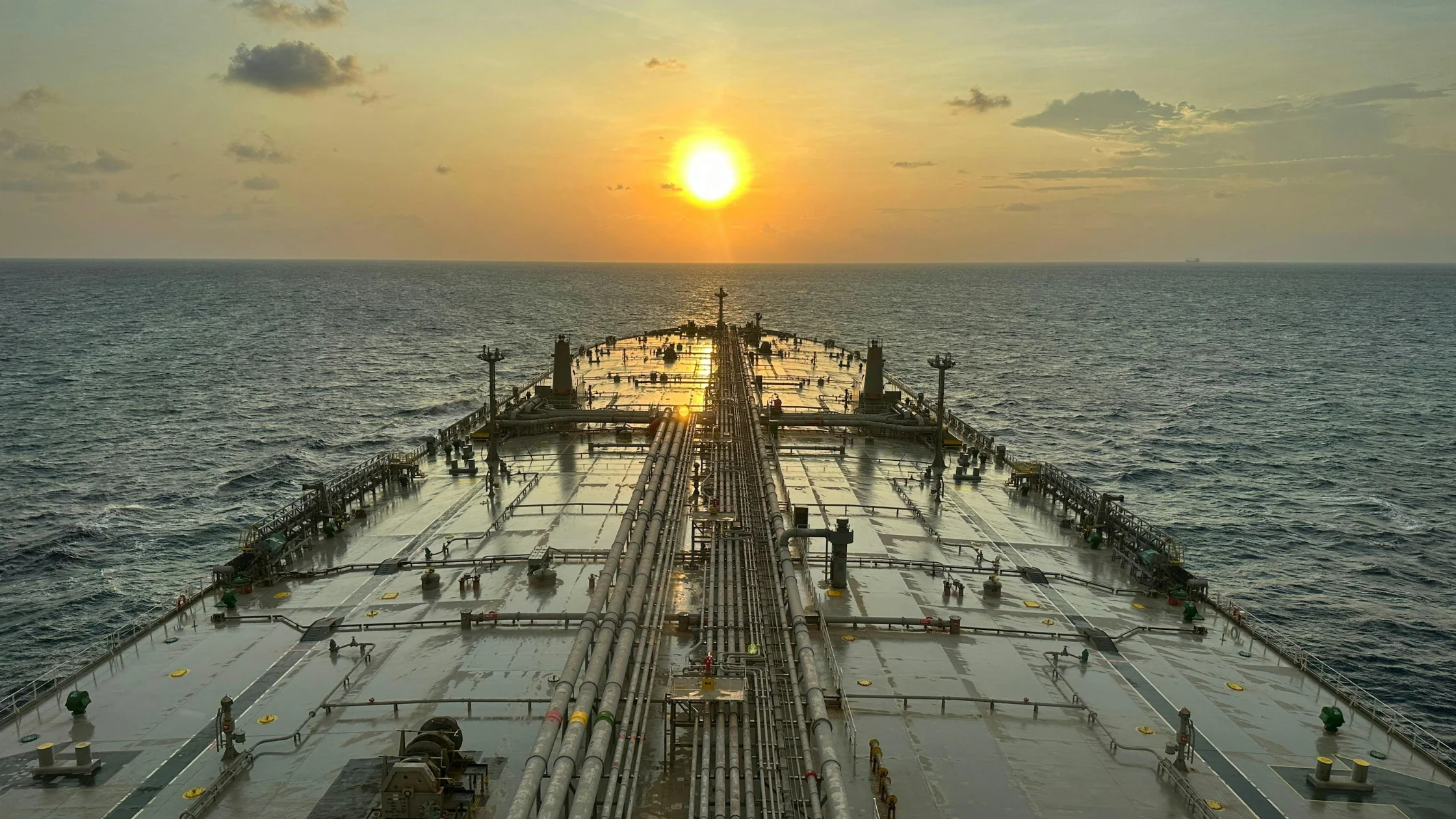
According to U.S. authorities, the sanctions include action against eight companies operating in Hong Kong and the United Arab Emirates. Officials allege that these firms were involved in helping Iran move oil shipments and bypass existing international restrictions and financial controls.
Under the sanctions, the targeted individuals and organizations could face asset freezes, restrictions on financial transactions, and limitations on conducting business with U.S.-linked institutions. American officials stated that the measures are designed to disrupt networks that support Iran’s oil trade and reduce the country’s ability to generate funds through international energy markets.
The sanctions reflect continuing geopolitical tensions surrounding Iran’s energy exports and international sanctions regime. The U.S. has repeatedly accused Iran of using complex trade and shipping networks to continue oil sales despite economic restrictions imposed over recent years. Washington maintains that restricting these revenue channels is part of broader efforts to pressure Tehran on regional and international issues.
Energy analysts say sanctions targeting oil exports can influence global energy markets, shipping activity, and regional trade relationships, particularly when major importers such as China are involved. Businesses and financial institutions connected to sanctioned entities often face increased scrutiny and operational challenges under international compliance rules.
The latest action also highlights the growing role of international financial monitoring and enforcement mechanisms in global trade disputes. Experts believe sanctions will continue to remain a key tool in diplomatic and economic pressure strategies between major global powers and sanctioned states.
The development is being closely watched by international markets and policymakers as geopolitical tensions continue to affect global trade, energy flows, and regional economic stability.