
The Government of Pakistan has taken a major step toward improving transparency in electricity billing by launching a new mobile application called “Apna Meter, Apni Reading.” The initiative aims to reduce consumer complaints about overbilling, incorrect meter readings, and estimated electricity charges. Introduced under the guidance of Prime Minister Shehbaz Sharif, the project is part of the government’s broader Digital Pakistan vision and the Uraan Pakistan program.
For years, electricity consumers across Pakistan have raised concerns about inaccurate bills, delayed meter readings, and excessive charges. Many households and businesses have complained that the readings recorded by meter readers did not match their actual electricity consumption. The new digital solution seeks to address these long-standing issues by giving consumers direct control over the meter reading process.
What Is the Apna Meter Apni Reading App?
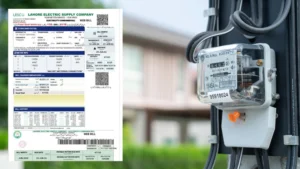
The Apna Meter Apni Reading app is a smart digital platform developed by the Power Information Technology Company (PITC) in collaboration with the Ministry of Energy. The application allows electricity consumers to capture photographs of their electricity meters and upload them directly into the official billing system using their smartphones.
Instead of relying solely on manual meter readings, consumers can now submit their own verified readings. The uploaded image serves as evidence of actual electricity consumption and helps ensure accurate bill generation.
The initiative represents a significant shift in how electricity billing is managed in Pakistan. By involving consumers directly in the process, the government hopes to eliminate disputes and improve confidence in the country’s power distribution system.
Why Was the App Introduced?
Electricity billing has remained one of the most common concerns among consumers in Pakistan. Complaints related to inflated bills, estimated readings, and human errors have affected public trust in electricity distribution companies.
Several factors prompted the government to launch this digital solution:
- Frequent complaints regarding overbilling
- Human errors during manual meter readings
- Delayed recording of electricity consumption
- Lack of transparency in bill calculations
- Disputes between consumers and power distribution companies
- Need for digital transformation in public services
The government believes that allowing consumers to submit their own meter readings can significantly reduce these problems and create a more transparent billing environment.
How the App Works
The process has been designed to be simple and user-friendly.
Consumers first download the application from the Google Play Store or Apple App Store. After installation, users register using their electricity Consumer ID. Once registered, they can access their account and submit meter readings.
On the designated meter reading date, consumers simply:
- Open the application.
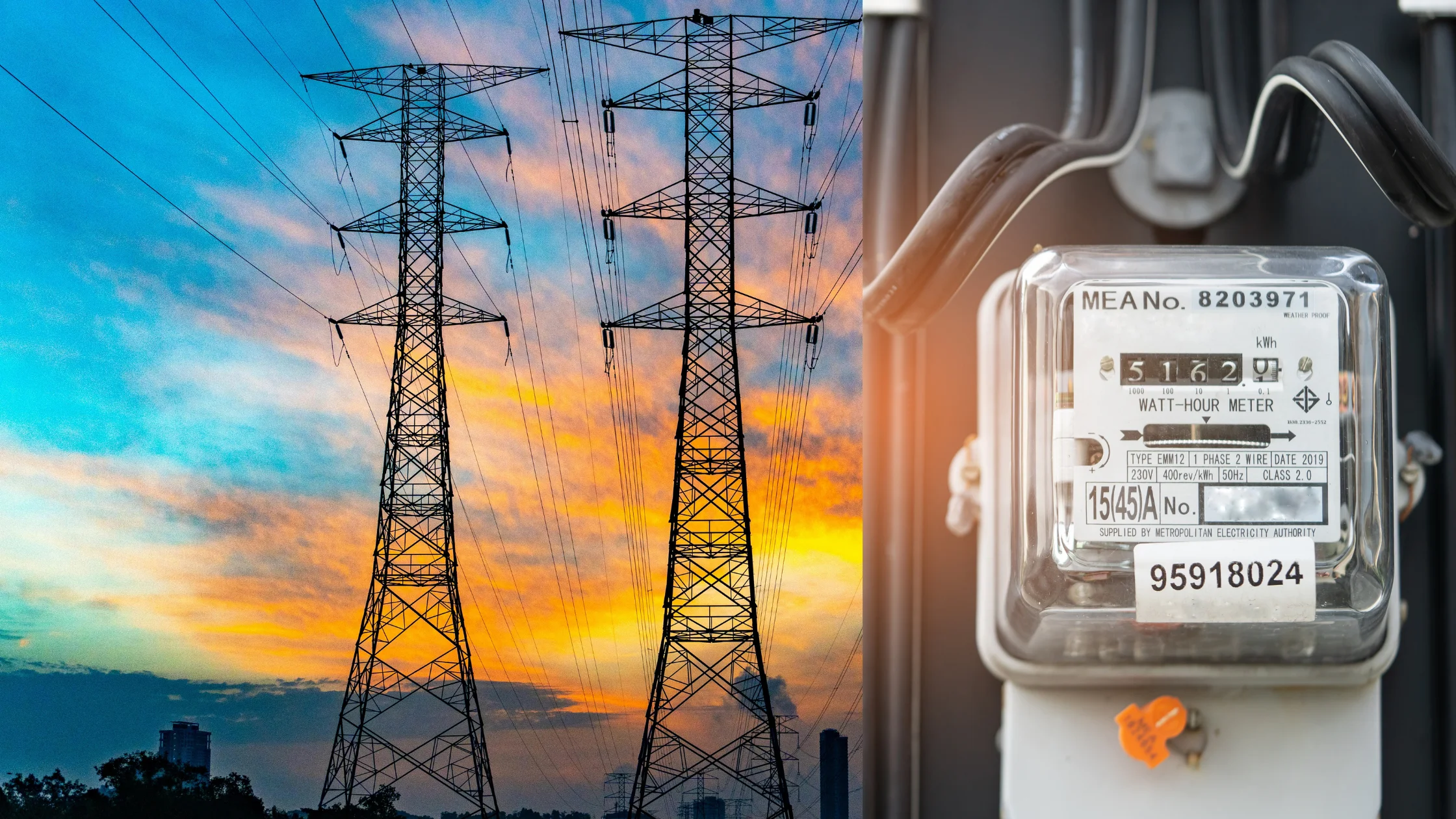
- Take a clear photograph of their electricity meter.
- Upload the image through the app.
- Submit the reading for verification.
The image is then integrated directly into the official billing system. Bills are generated based on the submitted reading, helping ensure greater accuracy and reducing the chances of billing errors.
Punjab Cabinet Approves Major Welfare and Development Initiatives Under CM Maryam Nawaz
Benefits for Electricity Consumers
One of the biggest advantages of the Apna Meter Apni Reading app is that it empowers consumers. Instead of depending entirely on meter readers, users can now participate directly in the billing process.
Some major benefits include:
Reduced Overbilling Complaints
Incorrect readings often result in inflated electricity bills. Since consumers can submit actual meter readings themselves, the likelihood of overbilling decreases significantly.
Greater Transparency
The system creates a transparent record of electricity consumption. Consumers know exactly what reading has been submitted and can compare it with their final bill.
Improved Accuracy
Photographic evidence reduces the possibility of human error during meter recording. This leads to more accurate electricity billing.
Time-Saving Process
Consumers no longer need to wait for meter readers or visit offices to resolve billing disputes. The entire process can be completed through a smartphone.
Enhanced Consumer Confidence
When customers have direct involvement in meter reading submission, trust in the electricity billing process naturally improves.
Supporting Pakistan’s Digital Transformation
The launch of this application reflects Pakistan’s growing focus on digital governance and technology-based public services.
Over the past few years, the government has introduced several digital initiatives aimed at improving efficiency, reducing paperwork, and making public services more accessible. The Apna Meter Apni Reading app fits within this broader strategy by using technology to solve a practical problem faced by millions of citizens.
Digital platforms not only improve convenience but also help government institutions operate more efficiently. Automated systems reduce administrative burdens and create better data management processes.
Impact on Power Distribution Companies
The benefits of the app are not limited to consumers. Electricity distribution companies can also gain significant advantages.
Better Data Collection
Digital meter submissions provide accurate and timely consumption data, improving billing operations.
Reduced Operational Costs
Manual meter reading requires substantial manpower and logistical resources. Digital submissions can help reduce operational expenses over time.
Fewer Billing Disputes
When consumers submit readings themselves, disagreements over electricity bills are likely to decrease.
Improved Service Delivery
Digital systems allow power companies to process information faster and provide better customer service.
Addressing Long-Standing Billing Challenges
Pakistan’s electricity sector has struggled with billing-related complaints for many years. In some cases, consumers have received estimated bills instead of bills based on actual consumption. Such situations often lead to public frustration and financial difficulties.
The new application directly targets these challenges by creating a more transparent mechanism for meter reading collection. Accurate billing can help consumers better manage their household budgets while reducing unnecessary disputes.
Role of Technology in the Energy Sector
Globally, energy sectors are increasingly adopting digital solutions to improve efficiency and customer satisfaction. Smart meters, digital billing systems, and mobile applications are becoming common tools for managing electricity services.
Pakistan’s introduction of the Apna Meter Apni Reading app represents an important step toward modernizing the country’s energy infrastructure.
Experts believe that digital technologies can play a crucial role in improving utility management by:
- Increasing operational efficiency
- Reducing revenue losses
- Enhancing customer satisfaction
- Improving data accuracy
- Strengthening accountability
As more consumers adopt the application, its benefits could extend across the entire electricity ecosystem.
Challenges and Future Opportunities
While the initiative offers significant advantages, successful implementation will depend on widespread public participation.
Some challenges include:
- Consumer awareness and education
- Smartphone accessibility in remote areas
- Internet connectivity issues
- Ensuring timely submissions by users
To maximize the effectiveness of the program, authorities may need to conduct awareness campaigns and provide guidance on proper usage.
Future enhancements could include automated reminders, bill tracking features, consumption analytics, and integration with digital payment platforms.
Government Commitment to Consumer Relief
The launch of Apna Meter Apni Reading demonstrates the government’s commitment to improving public services through innovation and technology. By addressing one of the most common consumer complaints, the initiative aims to create a more reliable and transparent electricity billing system.
Officials believe the project will not only reduce billing disputes but also strengthen accountability within power distribution companies. Greater transparency can lead to improved public trust and better service delivery across the sector.
Conclusion
The Apna Meter Apni Reading mobile application marks an important milestone in Pakistan’s journey toward digital governance and energy sector modernization. By allowing consumers to upload their own electricity meter readings, the government aims to eliminate billing errors, reduce overcharging complaints, and improve transparency throughout the billing process.
As Pakistan continues to embrace technology-driven solutions, initiatives like this can play a key role in enhancing public services and strengthening consumer confidence. If widely adopted, the app has the potential to transform electricity billing in Pakistan, making it more accurate, efficient, and consumer-friendly for millions of households and businesses across the country.