
The Pakistani government has taken an important step to help motorcyclists and rickshaw drivers cope with rising fuel prices. A new mobile app-based subsidy system is being introduced to provide cheap petrol to eligible users. The program is designed to make fuel distribution transparent, fair, and efficient while targeting those who need it most.
The system is inspired by previous digital relief models successfully used in Pakistan, ensuring that users can access their subsidized fuel without unnecessary hassle.
How the Subsidy Will Work
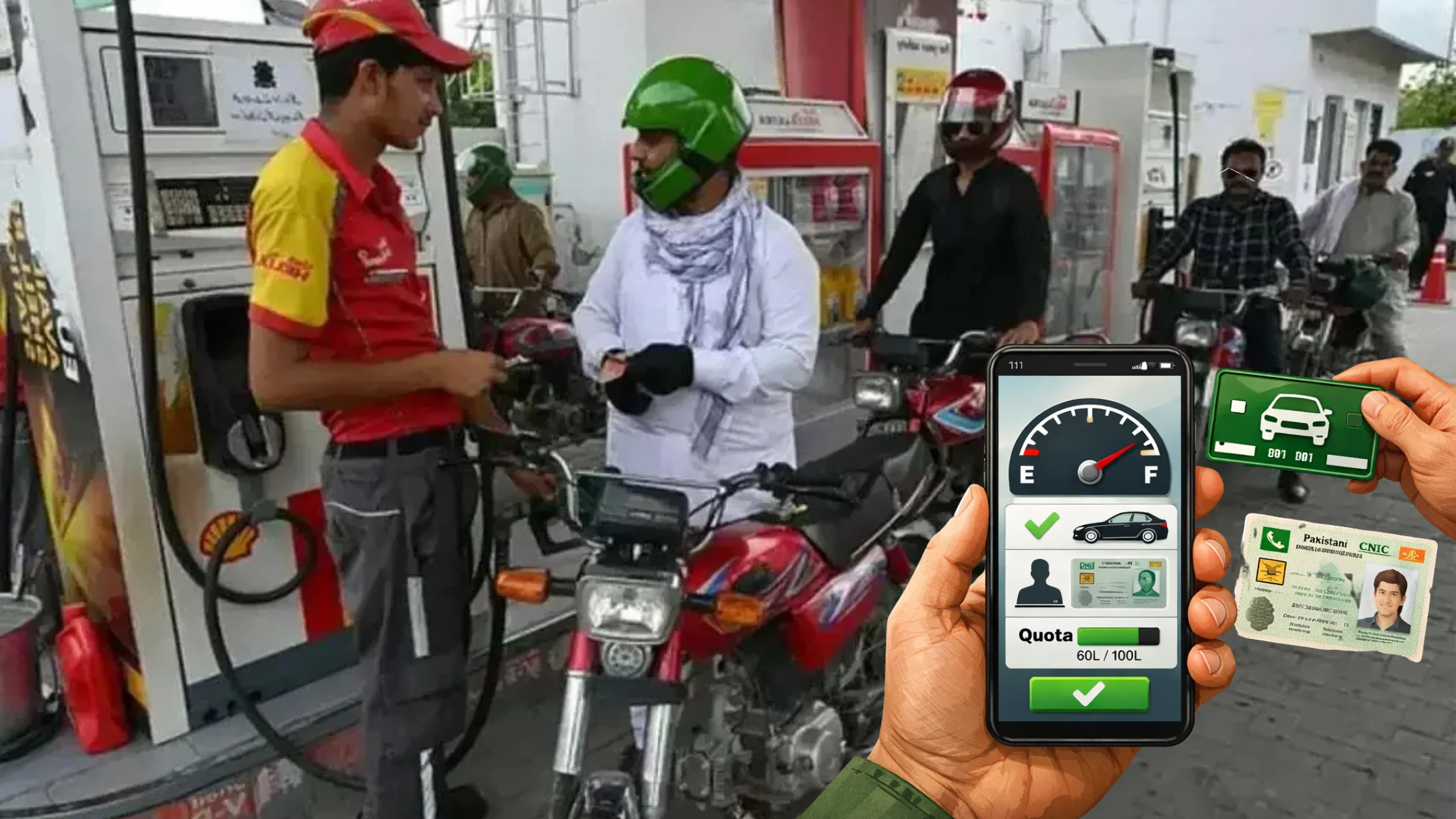
The subsidy system works on a quota basis, which is linked to each vehicle type. Users will generate digital vouchers through a mobile app, and petrol will be dispensed only after verification at the petrol pump. This ensures that the subsidy is properly allocated and reduces misuse.
The program is currently limited to two- and three-wheeled vehicles. The government has not yet decided whether four-wheel vehicles will receive a similar subsidy. Dedicated nozzles at petrol pumps will separate subsidized fuel from regular fuel for easy management.
The mobile app connects user identity (CNIC) with vehicle registration, and petrol pumps scan the QR code vouchers to confirm quotas before dispensing fuel. If a user requests more fuel than their remaining quota, the system will only provide what is available.
Government Addresses Rising Petroleum Prices, Announces Measures Against Hoarding
Petroleum Dealers Announce Nationwide Petrol Pump Closure from March 27
PM Shehbaz Sharif Rejects Rs. 95 Petrol, Rs. 203 Diesel Hike to Shield Public from Burden
Main Features in Points
- Motorcycles: Eligible for 20 liters of subsidized petrol per month.
- Rickshaws: Subsidized fuel provided based on vehicle type.
- Mobile App: Users generate QR code vouchers linked to CNIC and vehicle registration.
- Petrol Pump: Each pump will have two dedicated nozzles for subsidized fuel.
- Monitoring: The system is overseen by OGRA and Ministry of IT for transparency and accountability.
- Digital Verification: Ensures only the allocated quota is provided.
How Users Will Access the Subsidy
The process is simple and fully digital. Citizens will download the government mobile app and link their vehicle and identity information. Once the digital voucher is generated, it can be scanned at the petrol pump to receive fuel.
Petrol pumps will also have their version of the app to manage dispensing and track quotas. The government has already provided guidelines for distributing 24,000 mobile points to 12,000 petrol pumps nationwide. Each pump will be assigned two nozzles specifically for subsidized petrol.
This approach ensures that subsidized fuel is targeted and cannot be resold. It also minimizes long queues and confusion at petrol pumps, making the system user-friendly and efficient.
Why the Subsidy is Important
Fuel costs are a major burden for low- and middle-income vehicle owners. Motorcyclists and rickshaw drivers often spend a significant portion of their income on petrol. By providing a fixed quota of subsidized fuel, the government aims to ease financial pressure and ensure these essential workers can continue their daily activities.
The digital nature of the system also promotes transparency, preventing corruption and ensuring that subsidies reach the intended recipients. The government plans to expand the program nationwide after testing and initial implementation.
Future Plans
While the initial focus is on two- and three-wheeled vehicles, authorities may consider extending the subsidy to four-wheel vehicles in the future. They are also exploring ways to integrate the system with other digital welfare programs, creating a unified platform for citizen support.
The government will continue monitoring the program closely to ensure smooth operations, fair distribution, and efficient use of resources.
Conclusion
The mobile app-based fuel subsidy is a significant step in supporting low- and middle-income citizens during times of rising petrol prices. By combining digital verification, quota management, and targeted allocation, the government aims to provide relief for motorcyclists and rickshaw drivers while ensuring transparency.
This system is not only a financial lifeline for daily commuters but also a model for future digital welfare programs in Pakistan. With careful implementation and monitoring, it can help improve fuel access, reduce costs, and strengthen trust in government initiatives.