
In a major development for Pakistani citizens at home and abroad, the NADRA new rules for CNIC have changed the way national identity is handled. These changes bring more freedom, more transparency, and easier access to services. Whether you are applying for a new CNIC, changing your marital status, or living overseas, these rules will directly affect you.
This article explains the bold reforms introduced by NADRA, focusing on the rights of married women, biometric updates, digital services, and more. If you are looking for the latest nadra new rules for CNIC, this full guide will help you understand everything in simple language.
Top 5 world’s best airport: A Deep Dive into the Top Airports on the Planet
Top 10 Historical Places in Pakistan That You Must Visit
RIAT25: Pakistan Air Force Takes Center Stage at the World’s Largest Air Show
1. Major Reform: Married Women Can Choose Between Father’s or Husband’s Name
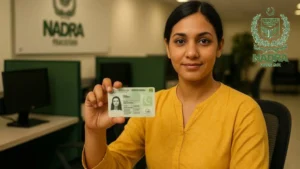
In a landmark decision, NADRA now allows married women to choose whether they want their CNIC to show their father’s name or husband’s name. This is a big move toward identity independence. In the past, after marriage, women were forced to adopt their husband’s name on the CNIC.
Under the new NADRA regulations for CNICs, women now have the liberty to select the name they want to display on their identity card.
Why It Matters:
- This reform supports women’s right to identity.
- It simplifies legal matters for single mothers and divorced women.
- It matches global identity standards, making international travel and documentation easier.
This change is already in effect and applies to all new CNIC applications and renewals.
2. Updated B-Forms for Children Above 3 Years
Under the latest NADRA new rules for CNIC and family documents, B-Forms (also known as Child Registration Certificates) now include biometric verification for children above the age of 3.
This ensures that:
- Child records are more secure.
- Identity theft becomes harder.
- Parents can access better government services.
Before this, children did not require biometrics. But due to digital fraud and misuse, NADRA has added this security feature to B-Forms.
3. Upgraded Family Registration Certificates (FRCs)
Another big change in the nadra new rules for CNIC involves the Family Registration Certificate (FRC). Earlier, the FRC was only used as a reference document. Now, it has legal validity, which means:
- It can be used in court, for visas, and other official processes.
- Families can prove relationships legally.
- All registered members are now visible on the document with complete details.
This makes it easier for citizens to apply for government support, immigration, and bank services.
4. Introduction of Teslin Cards with Smart Features
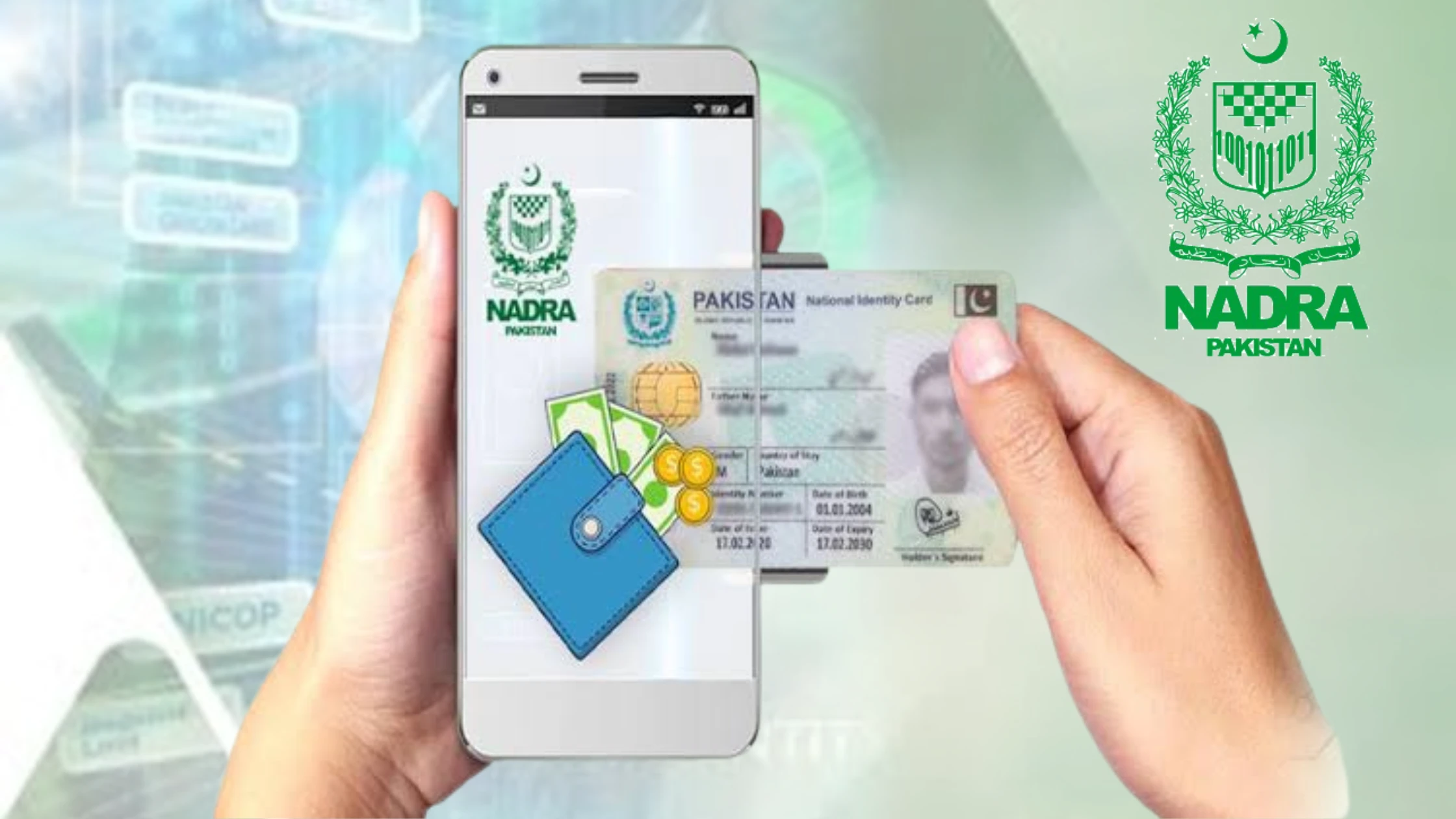
The traditional CNIC is also evolving. NADRA has launched Teslin-based Smart CNICs with modern digital features, including:
- QR Codes for quick scanning.
- Bilingual details (English and Urdu).
- Improved durability.
The Teslin smart cards are resistant to wear and tear and are readable in international digital systems.
People searching for nadra new rules for CNIC should know that smart cards will soon replace older cards.
5. Online CNIC Services and Mobile Registration Units
In another digital breakthrough, NADRA now allows citizens to:
- Apply for CNIC online.
- Update their marital or family status.
- Submit documents and book appointments via the NADRA app.
The organization has also launched Mobile Registration Vans and 24/7 centers, especially in large cities like Karachi, Lahore, and Islamabad.
For overseas Pakistanis, mobile units have started working in countries like Saudi Arabia, especially Dammam. This means citizens don’t have to travel to far embassy offices to get or renew their CNIC.
6. Passport Policy Aligned with New CNIC Rules
According to recent news, Pakistan’s Passport Department is making changes to match CNIC policies:
- New passports will now mention the mother’s name alongside the father’s.
- Committees are discussing adding a section for “ex-husband” to support divorced women.
This follows the logic of NADRA new rules for CNIC that offer more identity control to women.
7. Transparency and Verification Rules Strengthened
With so many new rules, NADRA also updated its verification process:
- Any correction, such as to the name or gender, now requires valid supporting documents.
- In some cases, affidavits or witnesses are needed.
- For sensitive cases (divorce, death), approval from the Ministry of Interior may be required.
These verification rules are part of a plan to stop identity fraud, increase trust, and ensure that no one can misuse the CNIC system.
8. Important Document Requirements Under New Rules
Depending on your case, here are some documents NADRA now asks for:
- Marriage Certificate: Required for marital status updates.
- Divorce Certificate: Needed to change status from married to divorced.
- Death Certificate: If you are a widow, this document is necessary.
- Guardianship Papers: For adopted children or orphans.
Knowing which documents are needed can save time and reduce frustration. Always double-check on the official NADRA website before applying.
9. Why These Reforms Matter
The updated nadra new rules for CNIC are not just about changing forms—they are about changing lives. They give citizens more power, more control, and more dignity. Especially for women, children, and overseas Pakistanis, these reforms bring a modern, digital future closer.
These changes align NADRA’s identity system with global best practices, meaning smoother travel, visas, and legal processes.
10. Final Thoughts on the NADRA New CNIC Rules
The nadra new rules for CNIC reflect a growing demand for human dignity, digital security, and legal fairness. By choosing between family names, using smart cards, and accessing services online, Pakistanis can now manage their identity with greater ease.
If you’re applying for a new CNIC or updating your old one, make sure you:
- Check your eligibility.
- Collect the correct documents.
- Understand your new rights.
- Use NADRA’s mobile or online platforms to save time.
With these new reforms, NADRA has taken a bold step forward one that puts the citizen first.