
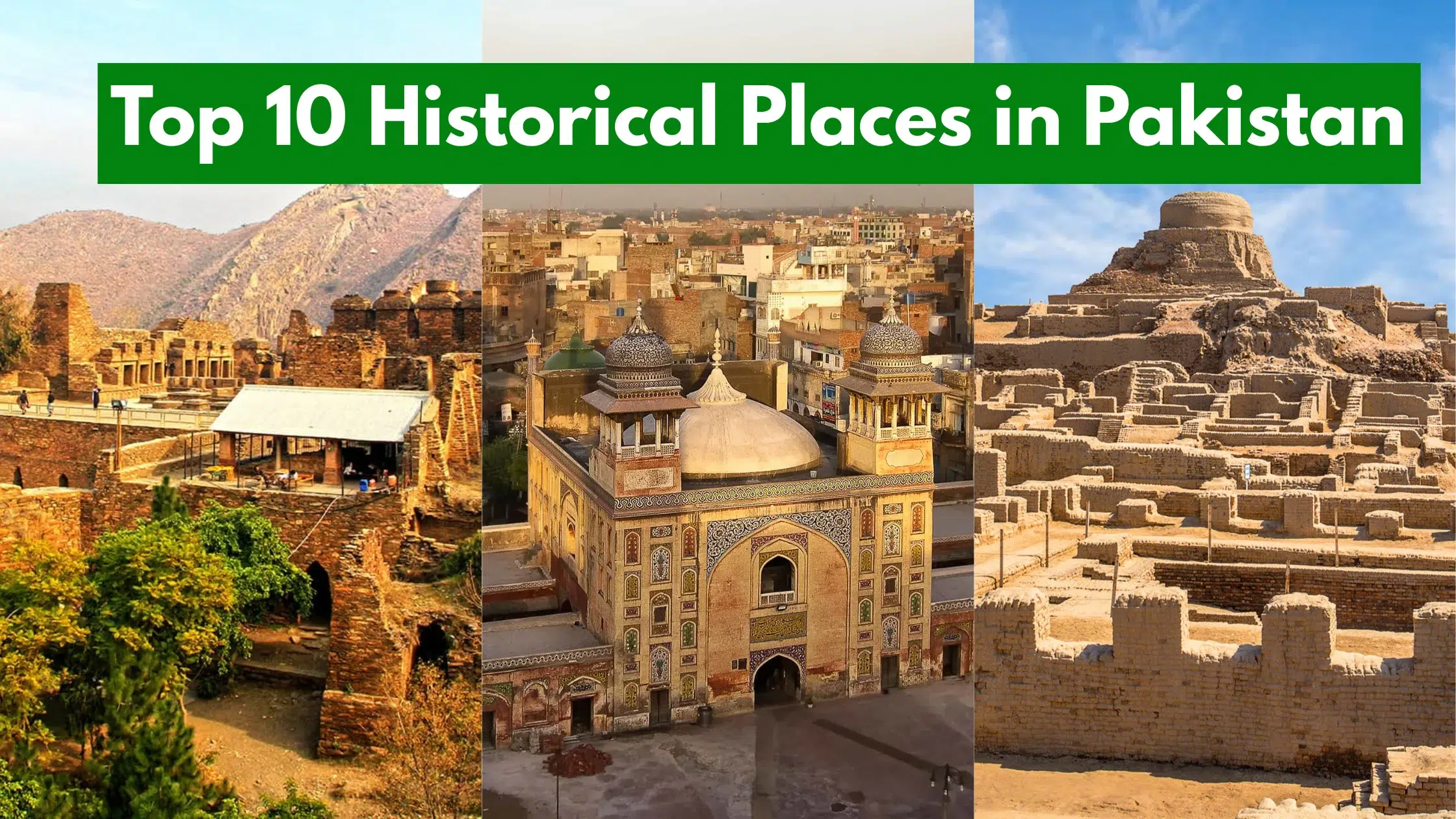
Pakistan, a land of rich culture, ancient civilizations, and architectural brilliance, offers a treasure trove of historical landmarks. From the remains of prehistoric cities to magnificent Mughal-era monuments, the country stands as a testament to the passage of time and the many cultures that flourished here. Historical places in Pakistan are not just remnants of the past; they are living narratives that allow us to witness the evolution of human ingenuity, religious diversity, and regional power. Exploring these places gives both locals and tourists a deep appreciation for the nation’s heritage and a chance to connect with stories carved in stone and soil.
-
Mohenjo-Daro – The City of the Dead

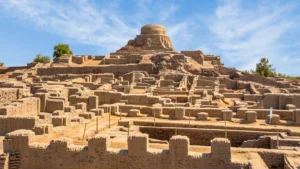
Mohenjo-Daro, situated in the Sindh province, is one of the most remarkable archaeological sites in the world. Dating back to around 2500 BCE, this city was part of the Indus Valley Civilization, one of the earliest and most advanced urban societies in human history. What makes Mohenjo-Daro truly fascinating is its level of urban planning, which included a complex drainage system, grid-like streets, and well-built houses made of baked bricks. Having public baths, storage buildings, and markets shows that the society was well-structured and organized. Despite being over 4,500 years old, the ruins give a clear impression of a society that was far ahead of its time. As a UNESCO World Heritage Site, Mohenjo-Daro continues to draw archaeologists and history enthusiasts from around the globe, offering a unique glimpse into early urban life.
-
Taxila – The Ancient Center of Learning
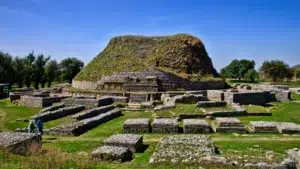
Taxila, which is close to today’s Islamabad, used to be a busy place for learning and Buddhism. This ancient city, which dates back to at least the 5th century BCE, served as a key stop along the Silk Road and became a melting pot of various cultures and philosophies. Taxila was home to one of the world’s earliest universities, attracting students from distant regions to study medicine, philosophy, and religion. The ruins show Buddhist stupas, monasteries, and temples, showing how important it was for religion. The archaeological findings at Taxila, including statues, coins, and inscriptions, showcase the city’s role as a hub of learning and culture. Its importance is recognized globally, and it has been listed as a UNESCO World Heritage Site.
-
Lahore Fort – Mughal Majesty Preserved
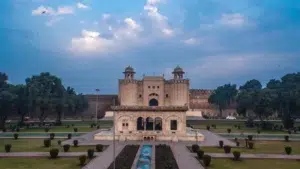
The Lahore Fort, also called Shahi Qila, is a grand fortress right in the middle of Lahore. Its origins date back to antiquity, but it was extensively rebuilt during the Mughal era, particularly under Emperor Akbar in the 16th century. The fort is a sprawling complex that includes a number of palaces, halls, and gardens. Notable structures within the fort include the Sheesh Mahal (Palace of Mirrors), the Alamgiri Gate, and the Naulakha Pavilion. Each part of the fort showcases the opulence of Mughal architecture, with intricate tile work, frescoes, and marble carvings. Over the centuries, the fort was used by Sikh and British rulers, each adding to its architectural diversity. Today, the Lahore Fort stands as a symbol of Mughal grandeur and is a UNESCO World Heritage Site.
Top 15 Most Influential Leaders in Pakistan’s History
Top 5 Dam in Pakistan: A Complete Guide to the Nation’s Mega Water Projects
-
Shalimar Gardens – Royal Mughal Gardens
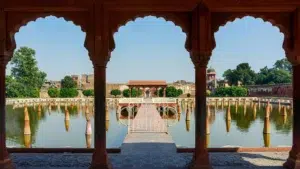
Next to the Lahore Fort are the beautiful Shalimar Gardens, which shows the beautiful style of Mughal landscape art. Built in 1641 by Emperor Shah Jahan, the gardens are inspired by Persian design and consist of three terraced levels, each with its own water fountains, marble structures, and lush greenery. The gardens were a place of leisure for the royals and reflected the Mughals’ love for symmetry, nature, and beauty. Intricate pathways, pavilions, and flowing water channels make the Shalimar Gardens a serene and picturesque retreat. The site plays an important role in the cultural heritage of Pakistan and continues to attract tourists who wish to experience the elegance of the Mughal era.
-
Badshahi Mosque – Mughal Grandeur
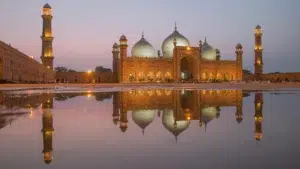
Located across from the Lahore Fort is the Badshahi Mosque. It is one of the biggest mosques in the world and a famous example of Mughal design. Emperor Aurangzeb built it in 1673. The mosque is made mainly of red sandstone with white marble decorations, making it look very grand and impressive. The mosque can accommodate over 55,000 worshippers and features expansive courtyards, towering minarets, and domed prayer halls. Inside the mosque, there are detailed paintings and beautiful writing, showing the high skill and art of that era. The Badshahi Mosque is not just a place of worship but also a cultural and historical landmark that represents the zenith of Islamic architecture in South Asia.
-
Rohtas Fort – A Military Marvel
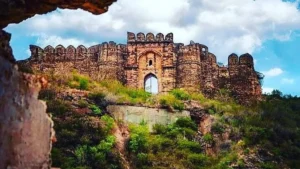
Rohtas Fort, located near the city of Jhelum in Punjab, was built by Sher Shah Suri in the 16th century to consolidate his rule and defend against the return of the Mughal Emperor Humayun. This imposing fortress is renowned for its robust military architecture, including massive walls that stretch over four kilometers, bastions, and twelve grand gates. The fort was strategically constructed to withstand sieges and protect its garrison. Unlike the ornate Mughal structures, Rohtas Fort has a more austere design, reflecting its military purpose. It remains one of the finest examples of early Muslim military architecture in the region and has been recognized as a UNESCO World Heritage Site.
-
Wazir Khan Mosque – A Masterpiece of Mughal Art
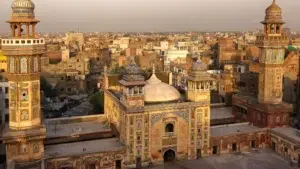
Nestled in the bustling Walled City of Lahore, the Wazir Khan Mosque is celebrated for its exceptional artistry and architectural brilliance. Built in 1634 under the reign of Shah Jahan, the mosque is adorned with elaborate tile mosaics, frescoes, and intricate calligraphy. The interior walls and ceilings are covered with floral motifs and geometric patterns, reflecting the Persian influence on Mughal design. The mosque also features a large courtyard, prayer halls, and minarets, offering both spiritual and aesthetic appeal. The Wazir Khan Mosque is one of the most beautifully decorated mosques in South Asia. It shows the best art and culture of the Mughal Empire.
-
Takht-i-Bahi – Echoes of Gandhara Civilization
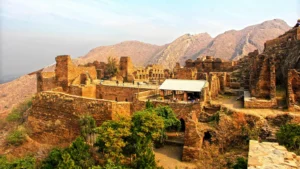
Takht-i-Bahi is an impressive Buddhist monastery complex situated near Mardan in the Khyber Pakhtunkhwa province.Established in the 1st century CE, the site includes a main stupa, votive stupas, assembly halls, and monastic quarters. Located on a hill, the Takht-i-Bahi complex provides broad, beautiful views of the nearby land, enhancing its peaceful and spiritual feeling. Takht-i-Bahi is a prime example of Gandharan art and architecture, which blends Hellenistic and South Asian elements. It served as a significant center for Buddhist learning and monastic life. The site’s exceptional state of preservation and historical value have earned it recognition as a UNESCO World Heritage Site.
-
Hiran Minar – Jahangir’s Unique Memorial
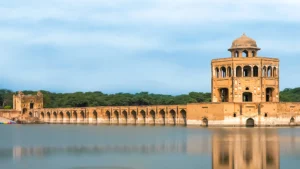
Hiran Minar, located in Sheikhupura, is one of the more unique historical monuments in Pakistan. In the early 1600s, Emperor Jahangir built this structure to honor his favorite pet antelope. The site features a 30-meter-high minaret marking the animal’s grave, a large rectangular water tank, and an octagonal pavilion in the center. This combination of architectural elements highlights the Mughal affinity for nature, symmetry, and memorialization. The peaceful setting and unique story behind Hiran Minar make it a distinctive destination for history lovers and casual visitors alike.
-
Makli Necropolis – A City of Silence
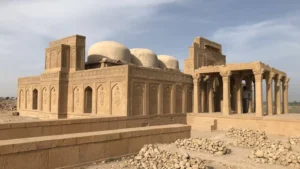
Near the ancient city of Thatta in Sindh lies the Makli Necropolis, one of the largest and most mysterious graveyards in the world. Spanning over ten square kilometers, the site contains thousands of tombs, mausoleums, and monuments dating from the 14th to the 18th centuries. The necropolis is a fusion of Islamic, Persian, and local architectural styles, with elaborately carved stone graves and domed mausoleums. Makli is a historic burial site for Sufi saints, royalty, and scholars. It shows the deep spiritual and cultural life of the area. This hauntingly beautiful site is a UNESCO World Heritage Site and an essential part of Pakistan’s historical landscape.
Conclusion
Pakistan is a country that offers a vivid tapestry of historical narratives through its diverse and well-preserved monuments. From the ancient urban wonders of Mohenjo-Daro and Taxila to the majestic Mughal landmarks of Lahore, each site tells a story of innovation, faith, conquest, and artistry. These historical places not only serve as educational resources but also foster a deep sense of cultural pride and identity. Visiting them allows one to travel through centuries, understanding how past civilizations shaped the present and continue to influence the future. Whether you’re a history aficionado or a curious traveler, the historical treasures of Pakistan are sure to leave a lasting impression.
FAQs About Historical Places in Pakistan
Q1: What is the most visited historical site in Pakistan?
A: The Badshahi Mosque and Lahore Fort are among the most visited historical places in Pakistan due to their grandeur and accessibility.
Q2: Are there any Buddhist historical places in Pakistan?
A: Yes, Takht-i-Bahi and Taxila are two prime Buddhist historical places in Pakistan, both recognized by UNESCO.
Q3: Which city has the most historical monuments in Pakistan?
A: Lahore is known for having the highest number of historical monuments in Pakistan, including forts, mosques, and gardens.
Q4: What precautions should tourists take when visiting historical places in Pakistan?
A: Dress modestly, respect local traditions, and always use certified guides while visiting any historical places in Pakistan.
Q5: How many UNESCO heritage sites are in Pakistan?
A: Pakistan has six UNESCO World Heritage Sites, many of which are historical places in Pakistan, including Mohenjo-daro, Taxila, Takht-i-Bahi, and Rohtas Fort.