

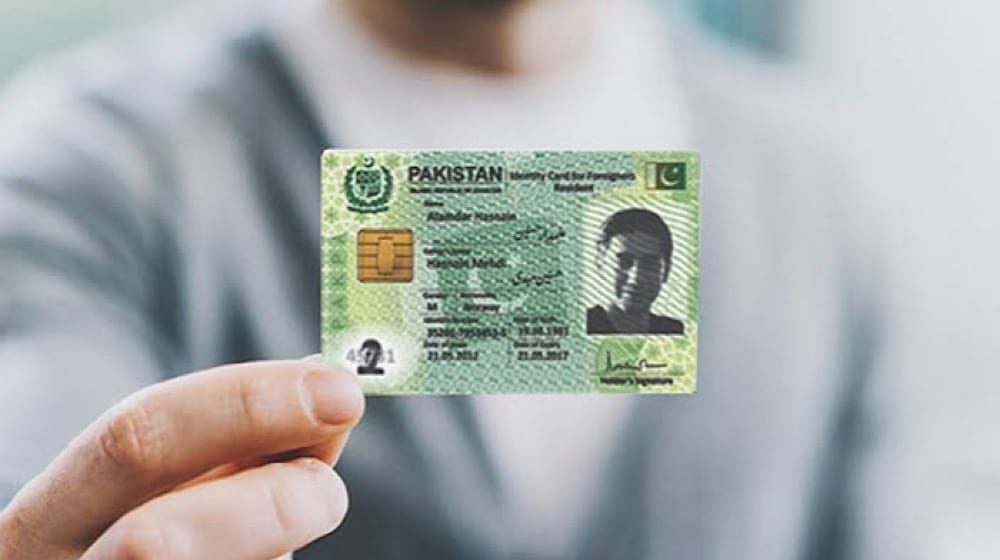
In a significant step towards promoting inclusivity and addressing the distinct needs of people with disabilities, Pakistan’s National Database and Registration Authority (NADRA) has approved the issuance of lifetime-valid national identity cards, also known as Computerized National Identity Cards (CNICs), for individuals with disabilities. This change, announced through a press release on Tuesday, reflects a commitment to enhancing the accessibility of essential services for people living with disabilities in Pakistan.
The amendments to the NADRA Rules of 2002 aim to simplify documentation processes and provide recognition to those who often face challenges in accessing societal benefits. The introduction of these amendments marks a pivotal moment in Pakistan’s long-standing efforts to improve the lives of individuals with disabilities. By issuing CNICs with lifetime validity, the government is acknowledging the unique challenges faced by people with disabilities and working to make systems more inclusive and efficient.
The Scope of the Change
According to the latest census report published by the Pakistan Bureau of Statistics in 2023, approximately 7.5 million people in Pakistan live with disabilities. This number paints a stark picture of the widespread challenges faced by millions of individuals in the country. On a global scale, an estimated 1.3 billion people, or about 16 percent of the global population, experience significant disability. This makes the recent amendments to NADRA’s policies not just important for Pakistan, but also part of a global movement towards better inclusion and equality for people with disabilities.
The key change introduced is the issuance of a special CNIC for people with disabilities that features a wheelchair logo, ensuring the lifetime validity of the card. This move acknowledges the particular needs of disabled individuals, making it easier for them to access benefits, healthcare, and services tailored to their requirements.
NADRA’s announcement revealed that both adult special citizens, whether resident or non-resident, would be eligible for the national identity cards. These individuals must be duly recognized by their respective federal or provincial authorities. The inclusion of the wheelchair logo on the card is symbolic of the recognition and respect for individuals living with disabilities, signaling that their rights are being acknowledged by the state.
The changes also extend to children with disabilities. They will receive child registration certificates, or juvenile cards, which will carry the wheelchair symbol, further emphasizing the importance of early recognition and inclusion in state systems. This is a game-changing move, as it ensures that even the youngest members of society, who may require specialized care and services, are included in the national registry and able to access necessary resources.
A Model for Inclusivity
The new lifetime-valid CNIC for people with disabilities brings several benefits. The most notable one is the simplification of the registration and documentation process. In the past, individuals with disabilities often faced bureaucratic hurdles when trying to access basic services and rights due to the lack of clear identification or documentation reflecting their status. Now, with a special CNIC, people with disabilities will find it easier to gain access to healthcare, transportation, financial support, and social programs. This is a step towards reducing the stigma and discrimination that people with disabilities often face in their daily lives.
Furthermore, the lifetime validity of the card means that individuals will no longer need to renew their identity cards regularly, saving them time, energy, and resources. This change helps streamline administrative processes for both citizens and government agencies, ensuring that everyone, regardless of their abilities, is treated with equal respect and consideration.
The introduction of this policy also includes a provision for those who wish to become organ donors. Pakistani citizens who register as organ donors will now be issued CNICs that display a donor logo, also with lifetime validity. This reinforces the government’s commitment to recognizing individuals who contribute to society in meaningful ways and to encouraging a culture of altruism and selflessness.
By creating these special identity cards, the government is actively dismantling barriers that individuals with disabilities face. This is an important move in acknowledging that all citizens have the right to participate fully in society, regardless of physical limitations. With these CNICs, people with disabilities will be more easily recognized by public services, ensuring that they receive the treatment and care they deserve.
A Call for Greater Inclusivity in All Areas of Life
While the changes to NADRA’s policies are a monumental step forward, they also serve as a reminder that inclusivity must extend beyond just documentation. True inclusivity means creating spaces and systems that are accessible to everyone. For people with disabilities, this involves not only accessible infrastructure, such as ramps and elevators, but also ensuring that attitudes and practices across society are inclusive.
This means that businesses, healthcare providers, and educational institutions must be prepared to accommodate individuals with disabilities, fostering an environment where they can thrive. It’s not just about providing the right documentation, but about making sure that people with disabilities are included in every aspect of life – from employment opportunities to participation in public life.
The changes by NADRA are just one example of how the government is working to improve the lives of people with disabilities. However, for true societal change to occur, there needs to be a comprehensive approach that includes policy reforms, public awareness campaigns, and stronger enforcement of disability rights.
A Long-Awaited Change for a Brighter Future
NADRA’s groundbreaking move to issue lifetime-valid CNICs for people with disabilities is an important milestone in Pakistan’s journey toward greater inclusivity and social justice. By acknowledging the specific needs of people with disabilities and simplifying the documentation process, the government has taken a crucial step in ensuring that everyone has the opportunity to fully participate in society.
These changes are not just about issuing a new type of ID card; they are about recognizing the humanity and dignity of people with disabilities and affirming their right to live a life free from discrimination. As Pakistan continues to make strides in disability rights and inclusivity, the hope is that other institutions will follow suit, creating a society that is accessible and equitable for all.