

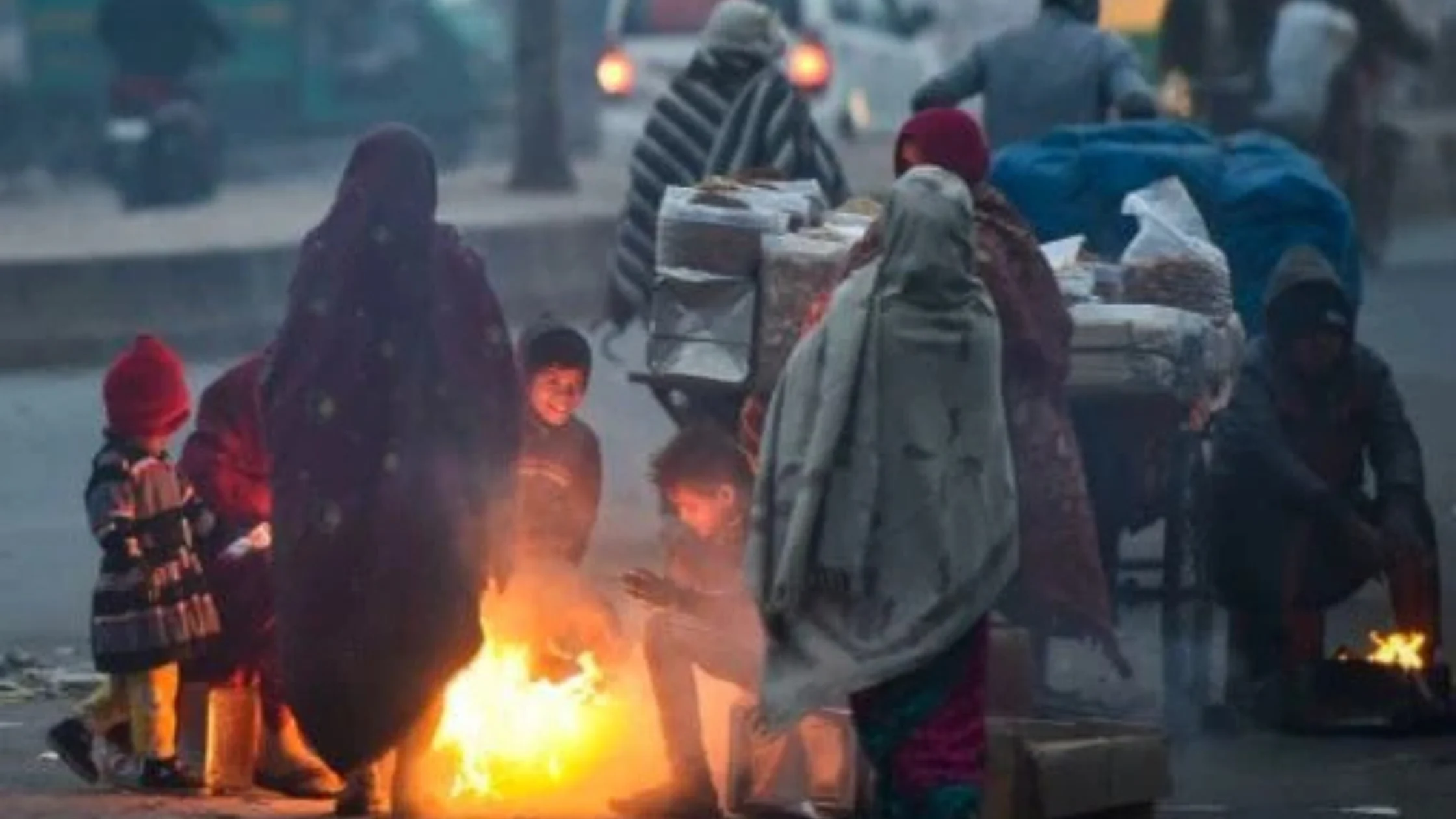
The National Disaster Management Authority (NDMA) has forecasted that Pakistan will experience a weak La Niña phase during November and December this year. According to NDMA experts, this climate pattern is expected to bring below-normal rainfall across central regions of the country, while northern and southern areas may face higher-than-usual temperatures.
The report also indicates that snowfall in Gilgit-Baltistan and Chitral could drop by around 5–7%, slightly affecting winter tourism and water storage in glaciers. However, NDMA officials assure that the upcoming winter peak in late January will still bring moderate cold waves and occasional rains, keeping conditions stable.
Saudi Arabia Extends $6 Billion Financial Support to Pakistan to Boost Economic Stability
Despite reduced precipitation, experts believe that no major water crisis will occur in 2026. This is because Pakistan received good monsoon rains earlier this year, and reservoir levels at major dams like Tarbela and Mangla remain strong. These reserves will help balance water needs for agriculture and energy production during the dry season.
NDMA has urged provincial departments and local communities to stay alert, especially in central Punjab, Sindh, and parts of Balochistan, where dry weather could increase the risk of smog and crop stress. Farmers have been advised to use efficient irrigation techniques and conserve water to minimize agricultural losses.
The organization also highlighted that a weak La Niña phase can cause temperature fluctuations, affecting winter crops such as wheat and vegetables. To reduce impacts, NDMA will coordinate with the Pakistan Meteorological Department (PMD) to issue timely advisories and early warnings for farmers and local administrations.
Overall, the NDMA’s outlook reflects a cautious yet positive scenario, emphasizing preparedness, resource management, and sustainable planning to face seasonal challenges without panic.
#positivepaki
FAQs
1. What is La Niña?
La Niña is a climate pattern that causes changes in global weather, often bringing cooler ocean temperatures and shifts in rainfall.
2. How will La Niña affect Pakistan this year?
Pakistan will face weaker La Niña effects, with below-normal rainfall and slightly higher temperatures.
3. Will snowfall decrease in northern Pakistan?
Yes, snowfall in Gilgit-Baltistan and Chitral may drop by 5–7%, according to NDMA forecasts.
4. Can this lead to a water shortage in 2026?
Unlikely. Monsoon rains and strong dam storage are expected to prevent any major water crisis.
5. What precautions should farmers take?
Farmers should focus on water-saving methods and follow weather updates for better crop planning.