

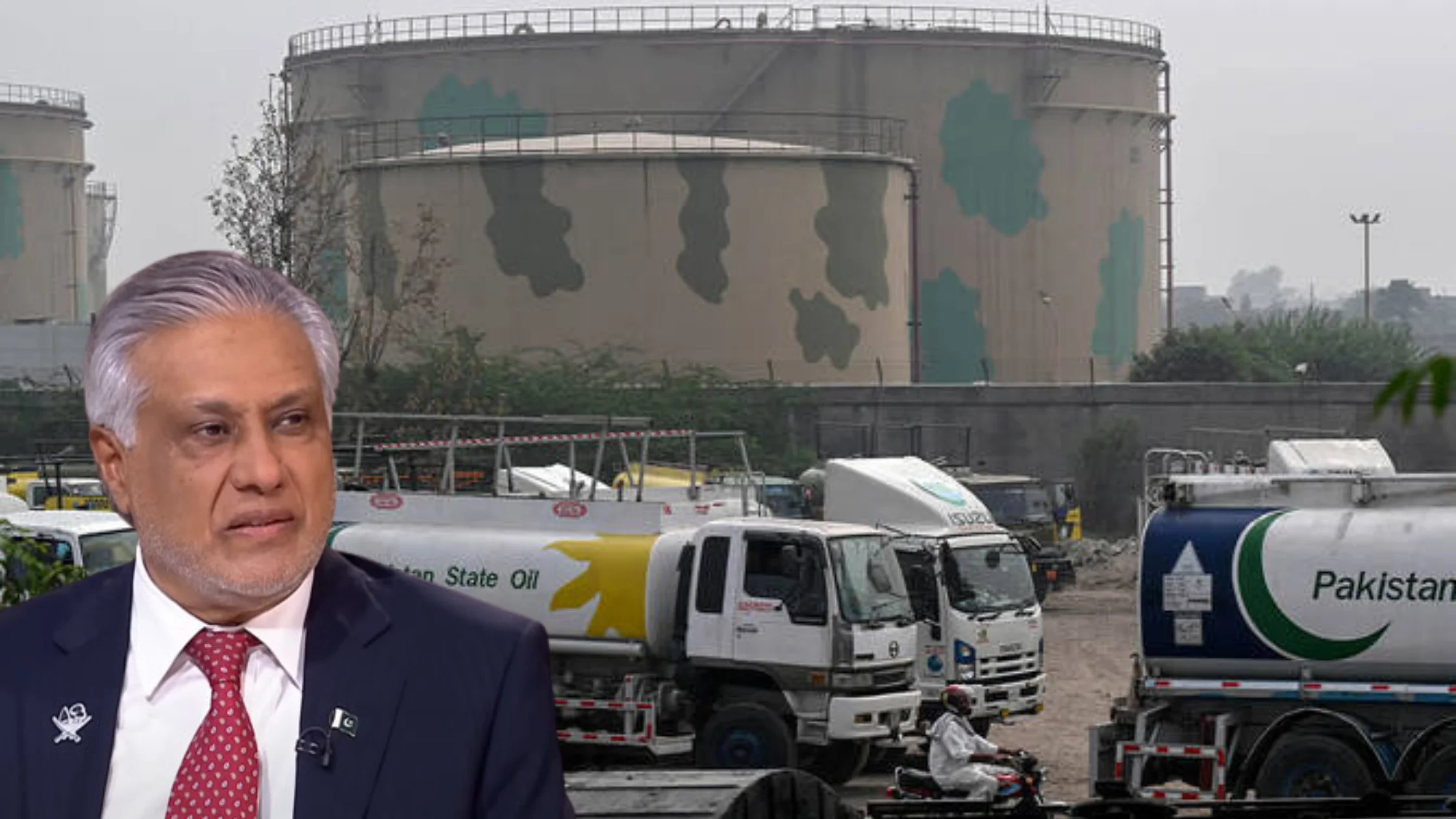
Pakistan has assured that its petroleum reserves are currently “sufficient” to meet national demand until the third week of June 2026, according to the office of the Deputy Prime Minister. The statement comes at a time when global energy markets are under pressure due to ongoing tensions affecting supply routes, particularly in the Middle East.
The update was shared after a high-level review meeting chaired by Deputy Prime Minister Ishaq Dar, where officials assessed the country’s petroleum, oil, and lubricants (POL) stock position. According to the briefing, despite global disruptions, incoming shipments and existing reserves are enough to maintain uninterrupted fuel supply across the country for several weeks.
One of the major concerns remains the instability in the Strait of Hormuz, a critical passage for global energy trade. Pakistan, which depends heavily on imported fuel, has felt the impact of supply uncertainty, with rising international oil prices affecting domestic inflation, transport costs, and overall economic conditions.
Successful Opening Day at PSIE ’26 for Din Properties’ United Business Park SEZ
The government has already taken several steps to manage the situation, including adjustments in petroleum prices and the introduction of austerity measures aimed at reducing fuel consumption. In recent weeks, fuel prices were increased again, reflecting the pressure from global markets and supply chain disruptions.
To ease the burden on citizens, the government has also introduced targeted subsidies for motorcyclists, freight transport operators, and public transport services. These measures are intended to balance rising costs while ensuring essential mobility and economic activity continues without major disruption.
Officials say continuous monitoring of petroleum stocks and supply routes remains a top priority. While current reserves are stable, authorities remain cautious due to unpredictable global conditions. The situation highlights Pakistan’s vulnerability to external energy shocks and the importance of maintaining strong supply chain management in the coming months.