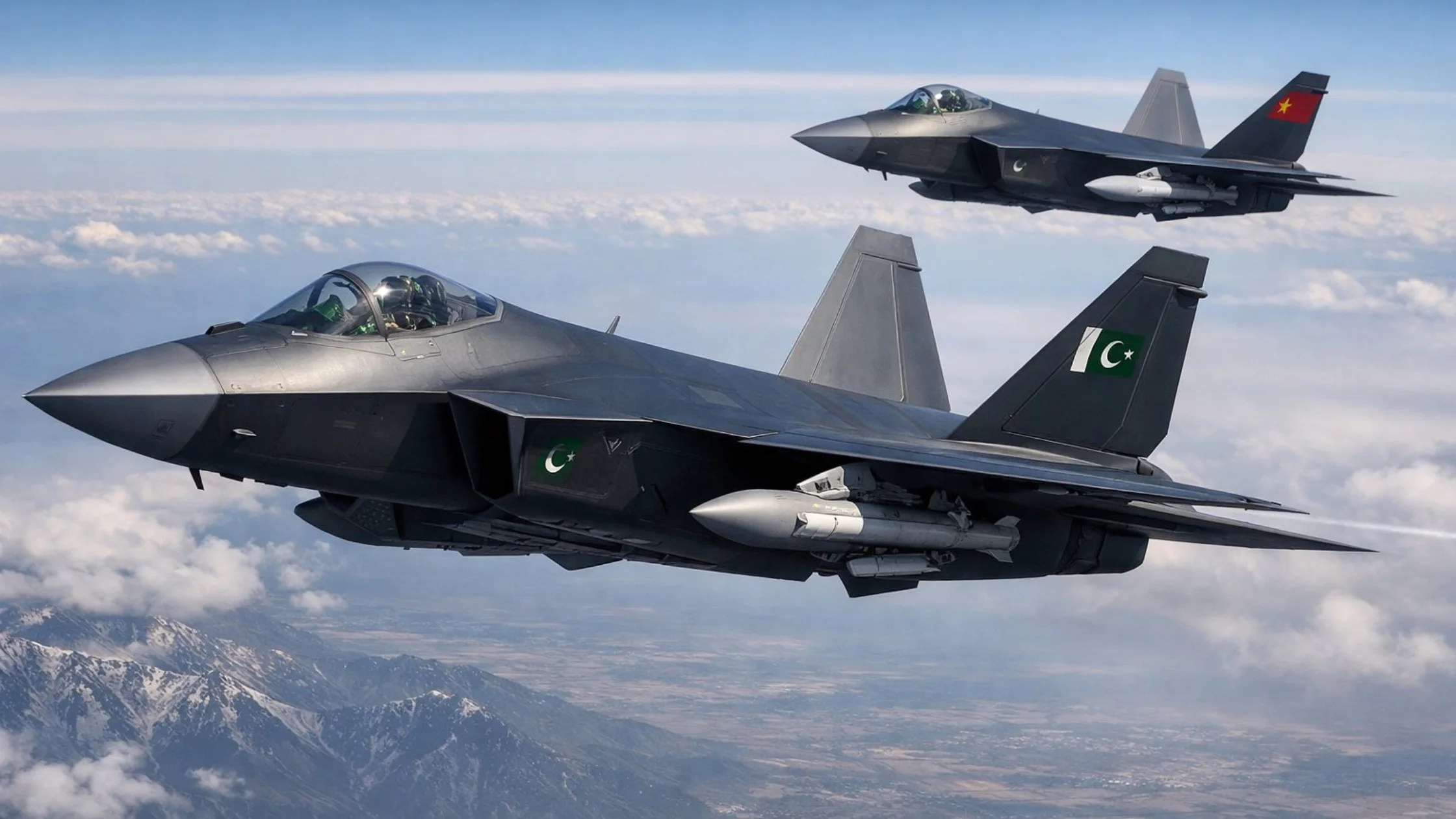
Pakistan is reportedly considering the induction of China’s J-35E fifth-generation stealth fighter jets by 2026–27, a move that would mark the country’s entry into the era of fifth-generation combat aircraft. If finalized, the development would significantly enhance the operational capabilities of the Pakistan Air Force (PAF).
The J-35E is a modern stealth fighter developed by China, designed with low radar visibility, advanced avionics, and improved situational awareness. The aircraft is expected to feature cutting-edge radar systems, advanced sensors, electronic warfare capabilities, and the ability to operate in contested airspace.
Defence analysts believe that the potential induction of J-35E jets reflects Pakistan’s focus on maintaining a credible air power balance in the region. Fifth-generation aircraft are considered a major force multiplier due to their stealth, network-centric warfare abilities, and precision strike capabilities.
Pakistan Approves UK Airline Norse Atlantic for Direct Flights to Islamabad
Sources indicate that discussions between Pakistan and China are ongoing, with evaluations focused on operational requirements, training, maintenance, and long-term support. Pakistan’s close defence cooperation with China has already resulted in successful joint projects such as the JF-17 Thunder, which serves as a backbone of the PAF.
If inducted, the J-35E would complement Pakistan’s existing fighter fleet and strengthen its air defence and strike capabilities. The move would also align with Pakistan Air Force’s modernization roadmap, which emphasizes technological advancement and combat readiness.
Officials have not yet made an official announcement regarding the acquisition. However, experts say that a decision could be made within the next few years as Pakistan continues to modernize its armed forces.
The potential induction of J-35E stealth jets underscores the deep strategic partnership between Pakistan and China, particularly in defence and aerospace cooperation. It also highlights Pakistan’s intent to adopt next-generation military technologies to address future security challenges.