
Introduction
Keeping up with news in Pakistan is crucial, not just for those living in the country but also for the global community. With its dynamic political landscape, economic challenges, and social issues, Pakistan is a country where change is constant. This article delves into various facets of Pakistan’s current affairs, offering a detailed analysis of the ongoing developments across multiple sectors.
Political Landscape in Pakistan
Pakistan’s political scene is ever-changing, with new developments occurring regularly. The political landscape is dominated by key figures such as Imran Khan, Nawaz Sharif, and Bilawal Bhutto, who represent some of the most influential parties in the country. The political climate is often heated, with the rivalry between the Pakistan Tehreek-e-Insaf (PTI) and the Pakistan Muslim League (PML-N) taking center stage.
The upcoming general elections are anticipated to be a turning point for the nation. These elections are significant because they could potentially alter the balance of power in the country. As political campaigns ramp up, issues such as economic stability, corruption, and governance are expected to dominate the discourse.

Economic Situation
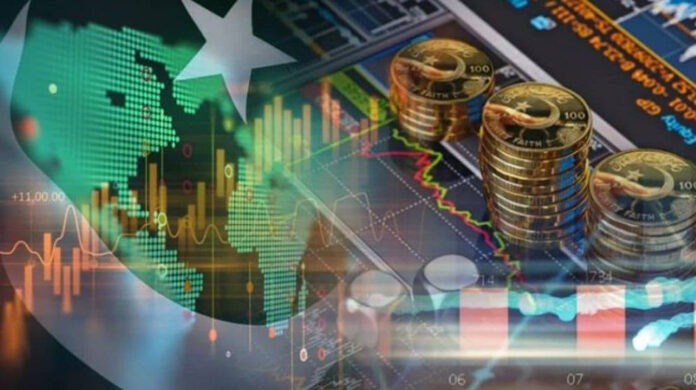
Pakistan’s economy has faced numerous challenges over the past few years, including inflation, a devaluing currency, and mounting national debt. The COVID-19 pandemic further strained the economy, leading to decreased growth rates and increased unemployment. However, the government has been working on various economic policies aimed at stabilizing the economy.
Initiatives such as the China-Pakistan Economic Corridor (CPEC) have provided some hope for economic revival. CPEC is seen as a game-changer that could potentially boost infrastructure development and create job opportunities. Despite these efforts, the economic outlook remains uncertain, with many experts calling for structural reforms to address deep-rooted issues.
Social Issues in Pakistan
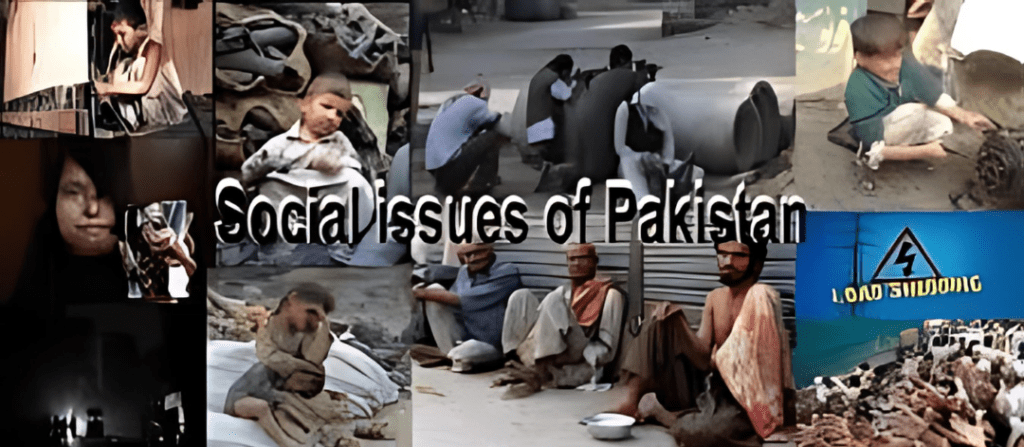
Social issues remain a significant concern in Pakistan. Education and healthcare, in particular, are areas that require urgent attention. While literacy rates have improved, there is still a long way to go in ensuring quality education for all. The healthcare system, too, faces numerous challenges, including inadequate infrastructure, a shortage of medical professionals, and limited access to essential services.
Poverty and social inequality are also pressing issues. A significant portion of the population lives below the poverty line, and the gap between the rich and the poor continues to widen.
Security Concerns
Security remains a top priority for Pakistan. The country has faced internal security challenges, including terrorism and sectarian violence. While the situation has improved over the years, with successful counterterrorism operations, there are still areas that require attention.
Border tensions, particularly with India, have also been a source of concern. The ongoing conflict over Kashmir continues to strain relations between the two nuclear-armed neighbors. Internationally, Pakistan is working to maintain its relationships with key allies while addressing these security challenges.

Judicial System and Legal Updates
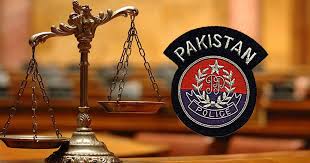
The judicial system in Pakistan has been under the spotlight in recent years, with several high-profile cases capturing the nation’s attention. The judiciary has played a pivotal role in shaping the political landscape, especially through its decisions on corruption cases involving top political figures.
Judicial reforms are often discussed, with debates focusing on the need for a more transparent and efficient legal system. Public perception of the judiciary varies, with some viewing it as a critical check on power, while others criticize it for being slow and sometimes biased.
Cultural Developments
Pakistan is a country rich in culture, where tradition meets modernity. The media plays a significant role in shaping public opinion and reflecting societal values. Pakistani dramas and films are popular not only within the country but also in the diaspora.
Festivals such as Eid, Basant, and Pakistan Day are celebrated with great enthusiasm, showcasing the nation’s vibrant cultural heritage. However, there is an ongoing debate about the influence of Western culture on traditional values, with some advocating for preserving cultural heritage while others embrace modernity.

Environmental Challenges
Pakistan faces numerous environmental challenges, including the impact of climate change, deforestation, and water scarcity. The country is particularly vulnerable to natural disasters such as floods and earthquakes, which have devastating effects on communities.
The government has initiated various programs to address these challenges, including reforestation campaigns and efforts to improve water management. However, more needs to be done to ensure long-term environmental sustainability.

Technological Advancements
Technology is rapidly transforming Pakistan, with significant growth in the IT sector. The government is promoting digitalization and e-governance to improve efficiency and transparency in public services. The rise of tech startups is also contributing to economic growth and job creation.
pakistan In education, technology is playing an increasingly important role, with online learning platforms becoming more popular. The healthcare sector, too, is seeing innovations such as telemedicine, which is helping to bridge the gap in healthcare access.
Sports News
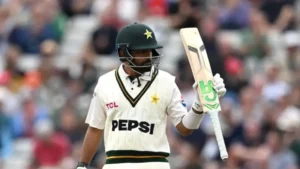
Cricket remains the most popular sport in Pakistan, with the national team’s performances closely followed by fans. Recent achievements in cricket, such as winning series and performing well in international tournaments, have brought pride to the nation.
Other sports, such as hockey and squash, also have a strong following. The government and private sector are investing in sports infrastructure to encourage youth participation and nurture talent. Sports are seen not just as a pastime but as a means of uniting the nation.

International Relations
Pakistan plays a crucial role in regional politics, particularly in South Asia. The country’s relations with its neighbors, including India, Afghanistan, and China, are of great importance. While relations with China remain strong, tensions with India over Kashmir continue to pose challenges.
Pakistan’s foreign policy also involves balancing its relationships with major global powers such as the United States and Russia. The country’s position on global issues, including climate change and international terrorism, is closely watched by the international community.

Human Rights and Activism
Human rights issues are a significant concern in Pakistan, with activists advocating for various causes, including women’s rights, freedom of speech, and the rights of minority communities. Gender equality movements have gained momentum, with increasing awareness and activism surrounding issues such as domestic violence and workplace harassment.
The role of NGOs and civil society in promoting human rights is crucial. These organizations work tirelessly to address issues such as poverty, education, and healthcare, often filling gaps left by the government.

Impact of Global Events on Pakistan
Global events have a profound impact on Pakistan, particularly in terms of economic and security concerns. International economic trends, such as fluctuations in oil prices and global trade dynamics, directly affect Pakistan’s economy.
Global conflicts and health crises, like the COVID-19 pandemic, also have significant repercussions for Pakistan. The country’s response to these challenges reflects its resilience and adaptability in the face of adversity.
Future Outlook
Looking ahead, Pakistan faces both challenges and opportunities. Politically, the country is at a crossroads, with upcoming elections likely to shape its future direction. Economically, there is potential for growth, but it requires strategic planning and reforms.
Socially and culturally, Pakistan is undergoing significant changes, with younger generations playing a crucial role in shaping the future. Technological advancements offer new possibilities.
Conclusion
Pakistan is a nation characterized by a dynamic and ever-evolving landscape. From its complex political environment to its diverse social fabric, and from the challenges of its economy to the promise of technological advancements, the country stands at a crucial juncture. The issues of security, environmental sustainability, and human rights add layers of complexity to the nation’s current affairs. As Pakistan navigates these multifaceted challenges, staying informed about the latest news is essential for understanding the direction in which the country is headed.
For those interested in Pakistan, whether they are citizens or international observers, keeping up with the news offers valuable insights into the nation’s future. By staying engaged and informed, we can better appreciate the progress being made and the obstacles that remain. As Pakistan continues to grow and develop, the importance of being aware of the ongoing developments cannot be overstated.