
Introduction
Pakistan, a country often featured in global headlines, is a land of contrasts and complexities. Nestled in South Asia, it’s a nation where ancient civilizations meet modern aspirations, where diverse cultures and traditions coexist, and where natural beauty and rich history intertwine. To truly understand Pakistan, one must delve beyond the surface and explore its cultural, historical, and geopolitical importance.
Geography of Pakistan
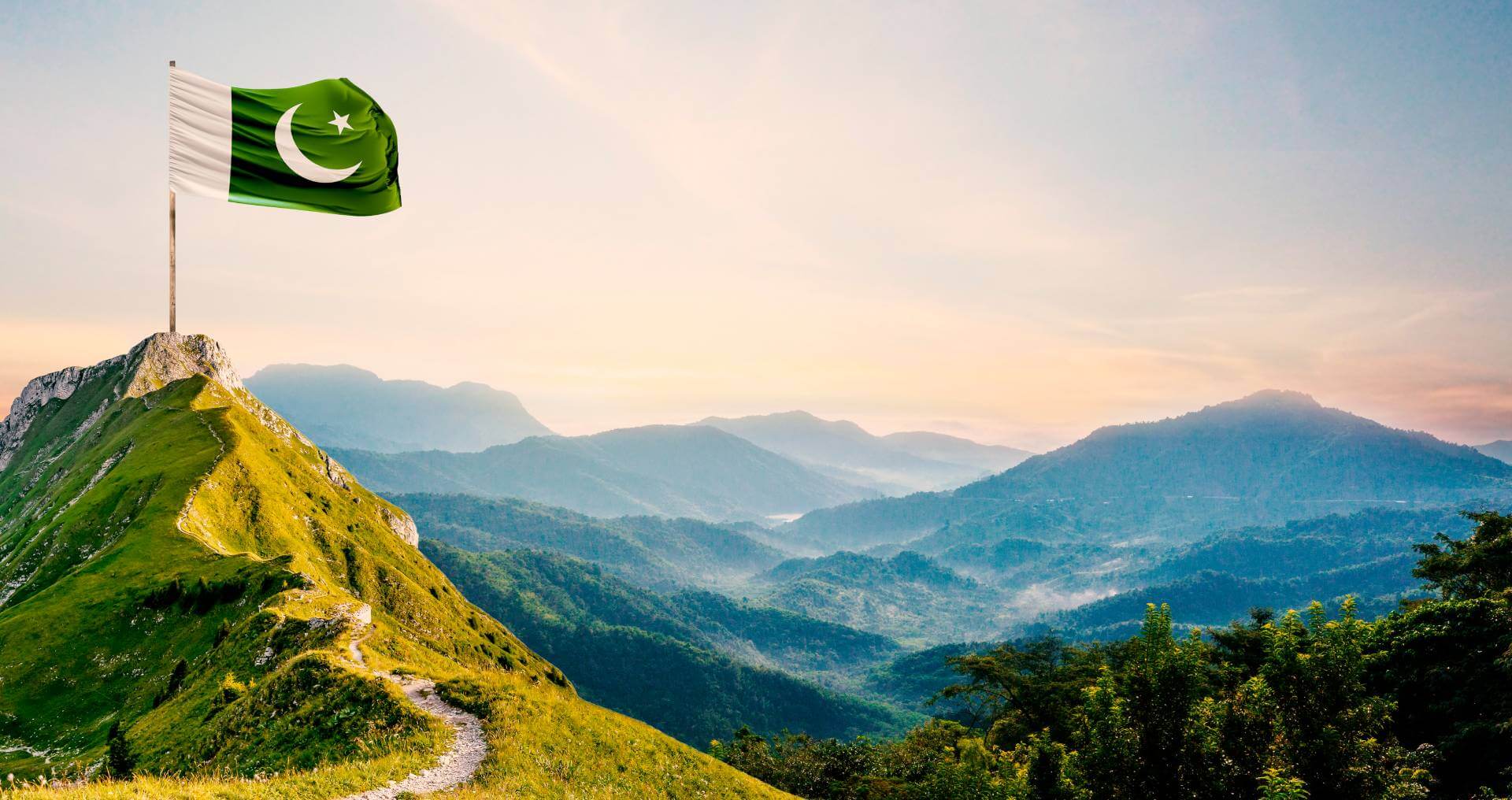
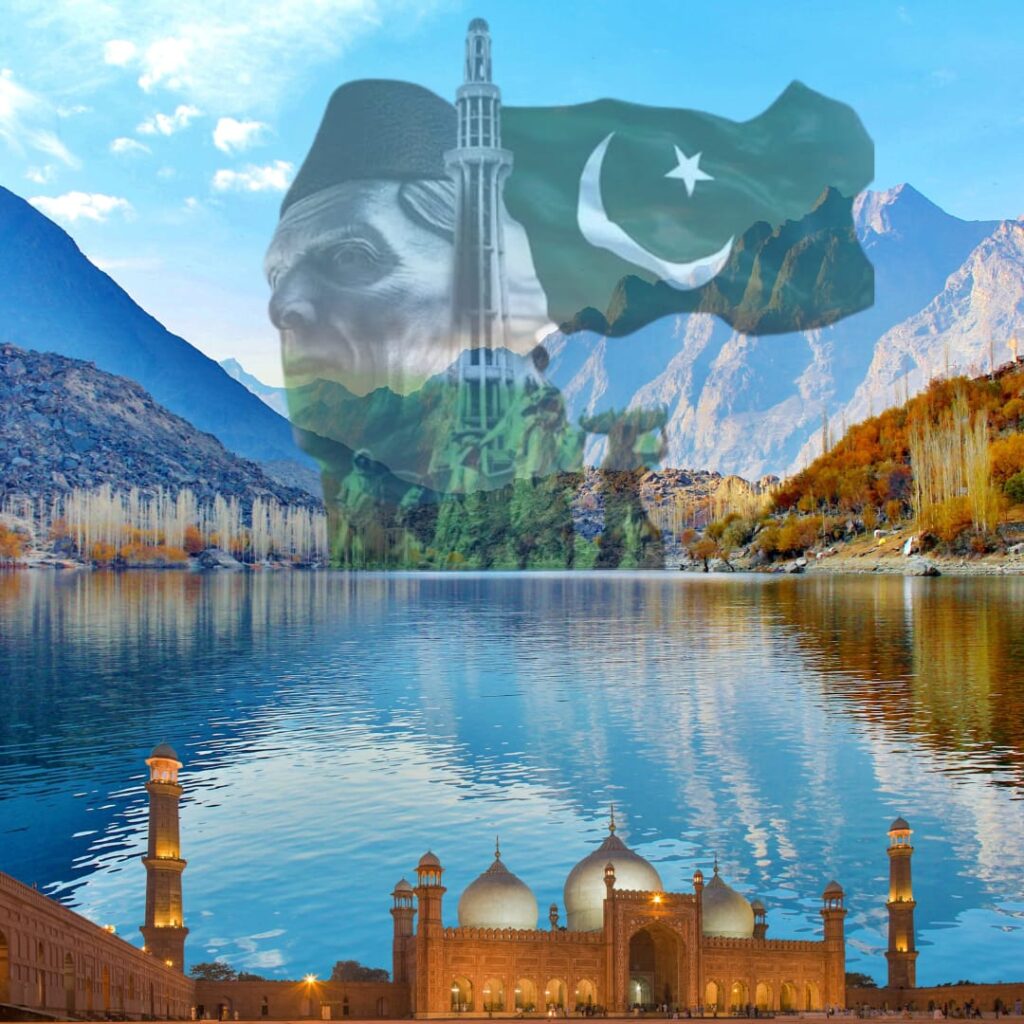
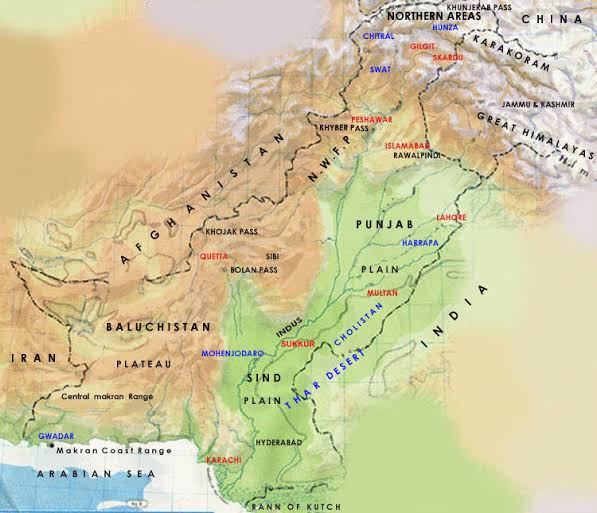
Pakistan is in a really important spot – it’s where three big regions meet: South Asia, Central Asia, and the Middle East. Bordered by India to the east, Afghanistan and Iran to the west, China to the north, and the Arabian Sea to the south, Pakistan’s geography is as diverse as its people. Major cities like Karachi, Lahore, Islamabad, and Peshawar each have their own unique character and significance. From the towering peaks of the Karakoram Range, including K2, the second-highest mountain in the world, to the fertile plains of Punjab, the arid deserts of Sindh, and the lush green valleys of Khyber Pakhtunkhwa, Pakistan’s landscape is a testament to nature’s diversity.
Historical Background
Pakistan’s history is as rich and varied as its geography. The land that is now Pakistan was once home to one of the world’s earliest civilizations—the Indus Valley Civilization, which thrived around 2500 BCE. Over the centuries, this region saw the rise and fall of several empires, including the Persian Empire, Alexander the Great’s empire, and various Islamic caliphates, which left an indelible mark on the region’s culture and religion.
The influence of Islam became particularly pronounced during the medieval period, with the establishment of the Delhi Sultanate and later the Mughal Empire, which ruled much of South Asia. This era saw the flourishing of arts, architecture, and a unique blend of cultures that still influences the region today.

Formation of Pakistan
The modern state of Pakistan was born out of the partition of British India in 1947, a tumultuous event that led to the creation of two independent nations: India and Pakistan. The demand for a separate Muslim state was spearheaded by the All-India Muslim League, under the leadership of Muhammad Ali Jinnah, who is revered as the “Quaid-e-Azam” When Pakistan was created, it was a very difficult time. There was a lot of violence, people moved in huge numbers, and new country faced many big problems as it tried to get established and stable.
In its early years, Pakistan faced enormous difficulties, including defining its national identity, managing the influx of refugees, and addressing territorial disputes with India, particularly over the region of Kashmir—a conflict that remains unresolved to this day.

Political Landscape
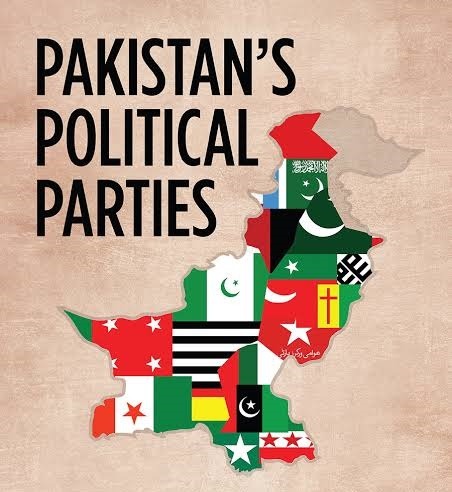
Pakistan’s political landscape is characterized by its complexity and volatility. The country operates as a parliamentary democracy, but its history has been marred by military coups and periods of authoritarian rule. Major political parties, such as the Pakistan Peoples Party (PPP), Pakistan Muslim League (PML), and Pakistan Tehreek-e-Insaf (PTI), have dominated the political scene, often engaging in intense rivalry.
The military has played a significant role in Pakistan’s politics, with several military leaders seizing power at different points in history. Despite the challenges, the democratic process has persisted, and recent years have seen a renewed focus on civilian governance.
Economy of Pakistan
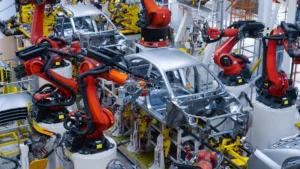
Pakistan’s economy is a mixed one, with agriculture, industry, and services all contributing to its GDP. Agriculture remains the backbone, employing a significant portion of the population and producing staples like wheat, rice, and cotton. The industrial sector is diversified, with textiles being the most prominent industry, followed by manufacturing and construction. The services sector, including finance, real estate, and IT, is rapidly growing, offering new avenues for economic expansion.
However, Pakistan faces substantial economic challenges, including high public debt, inflation, and a significant trade deficit. The China-Pakistan Economic Corridor (CPEC), a part of China’s Belt and Road Initiative, offers both opportunities and challenges, as it promises to enhance infrastructure and energy production but also raises concerns about debt sustainability and economic dependency.
Culture and Traditions
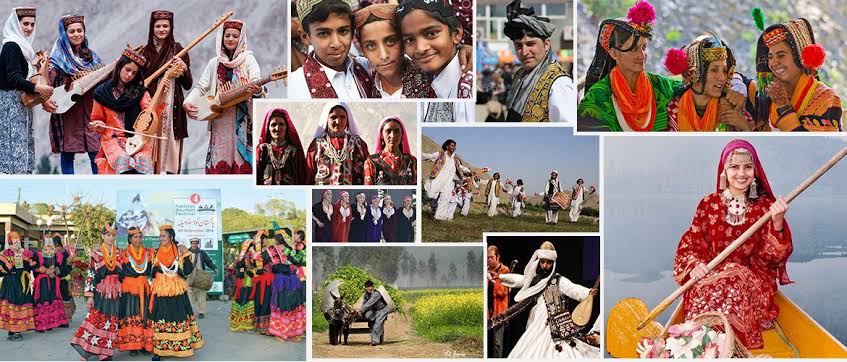
Pakistan is a mosaic of cultures, languages, and traditions. Urdu, the national language, serves as a lingua franca, while Punjabi, Sindhi, Pashto, and Balochi are spoken in different regions. Pakistanis celebrate a variety of festivals, with Eid al-Fitr, Eid al-Adha, and Pakistan Day being among the most significant.
The country’s cuisine reflects its diverse cultural heritage, with dishes like biryani, nihari, and kebabs being popular across the nation. Pakistani art and music are also deeply rooted in tradition, with classical forms like qawwali and ghazal coexisting alongside modern pop and rock music.
Religious Landscape
Islam is the predominant religion in Pakistan, with about 96% of the population identifying as Muslim. The majority are Sunni, but there is a significant Shia minority. Religious practices are deeply woven into the fabric of daily life, influencing everything from law to education to social customs.
Pakistan is also home to religious minorities, including Christians, Hindus, and Sikhs, who contribute to the country’s cultural diversity. However, religious minorities often face challenges, including discrimination and restrictions on religious freedom.

Education in Pakistan
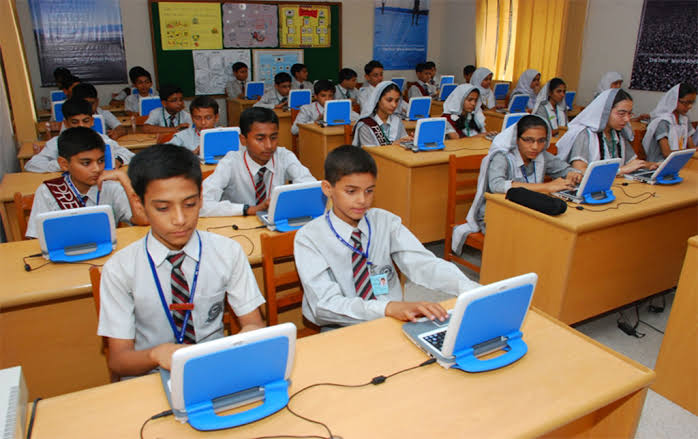
The education system in Pakistan is a mix of public, private, and religious institutions. While the country has made strides in increasing literacy rates, significant challenges remain, particularly in rural areas where access to quality education is limited. The higher education sector has seen the growth of reputable institutions, such as the Lahore University of Management Sciences (LUMS) and the Aga Khan University, which contribute to research and development in various fields.
Tourism in Pakistan
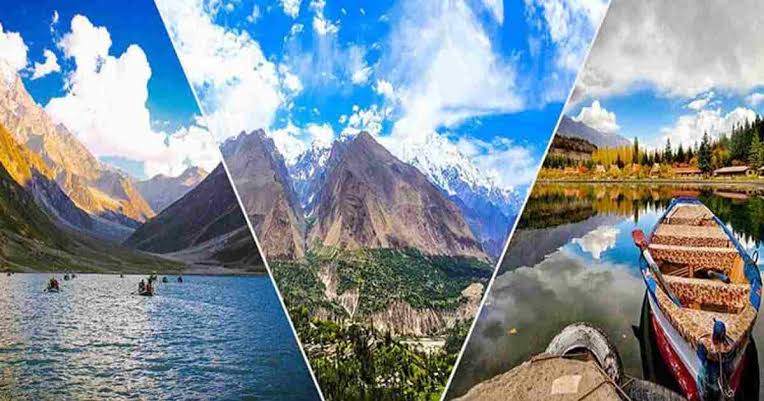
Pakistan is an emerging destination for tourists, offering a wealth of natural beauty and historical sites. The ancient ruins of Mohenjo-Daro, the Mughal architecture of Lahore, and the stunning landscapes of Gilgit-Baltistan are just a few highlights. Adventure tourism is also gaining popularity, with trekking, mountaineering, and skiing drawing visitors to the northern regions.
Recent efforts to improve infrastructure and promote tourism have started to pay off, as the country sees an increasing number of international tourists.
Pakistan’s Role on the Global Stage
Pakistan’s foreign policy is shaped by its relations with neighboring countries and its strategic location. The country has historically maintained a complex relationship with India, marked by both conflict and attempts at diplomacy. Its partnership with China, particularly through CPEC, is a cornerstone
of its foreign policy, while its relationship with the United States has been both cooperative and contentious, particularly in the context of the War on Terror.
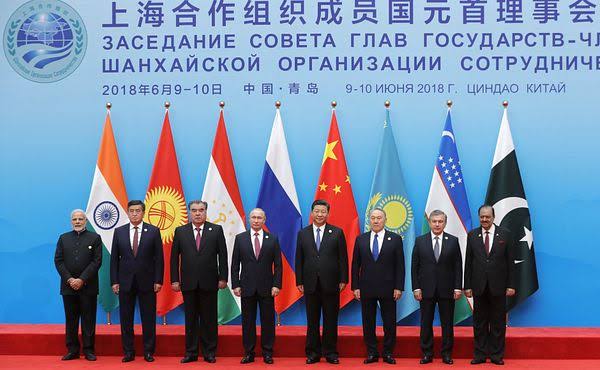
Pakistan is also a member of several international organizations, including the United Nations (UN), the Organization of Islamic Cooperation (OIC), and the Shanghai Cooperation Organization (SCO). These memberships reflect its desire to play an active role in regional and global affairs, balancing its strategic interests with its need for economic development and security.
Challenges Facing Pakistan
Pakistan faces a myriad of challenges that threaten its stability and development. Economic difficulties, including a large public debt, inflation, and a dependence on foreign aid, hamper growth. Political instability, characterized by frequent changes in government, corruption, and a lack of institutional continuity, further complicates efforts to improve governance.
Security remains a significant concern, with ongoing conflicts along the border with Afghanistan, internal threats from militant groups, and the unresolved Kashmir dispute with India. These issues not only affect the country’s internal stability but also its relationships with neighboring countries and the broader international community.

Opportunities for Growth
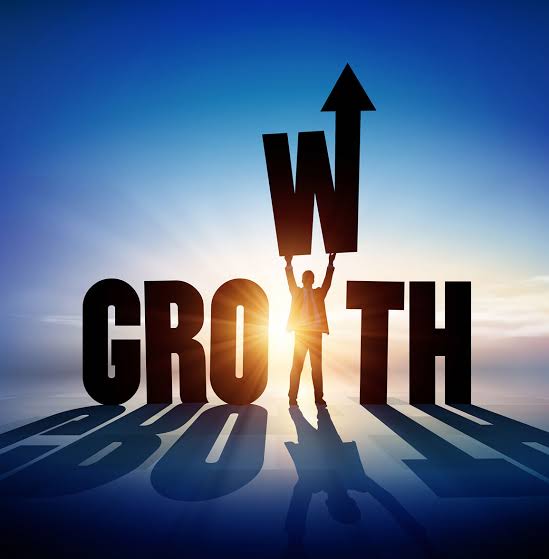
Despite these challenges, Pakistan has significant opportunities for growth and development. The country’s youthful population is a potential demographic dividend, provided that investments are made in education, healthcare, and job creation. The expansion of the IT sector, bolstered by a growing number of tech startups, positions Pakistan as an emerging player in the global technology landscape.
CPEC and other infrastructure projects offer the potential to transform Pakistan’s economy, creating jobs, improving connectivity, and boosting trade. Additionally, Pakistan’s rich cultural heritage and natural beauty offer untapped potential for tourism, which could become a significant driver of economic growth if properly developed and marketed.
Future Outlook
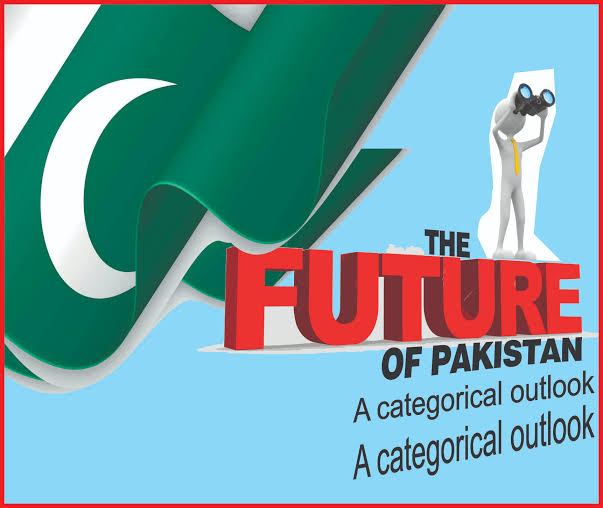
The future of Pakistan is full of possibilities, but much depends on how the country addresses its current challenges. Political stability, economic reform, and a focus on human development are critical for ensuring long-term growth and prosperity. If Pakistan can harness the potential of its young population, improve its governance structures, and foster a more inclusive and resilient economy, it has the potential to emerge as a significant player on the global stage.
In the next decade, Pakistan could see significant advancements in technology, education, and infrastructure, contributing to a more stable and prosperous society. However, achieving this vision will require sustained effort, international cooperation, and a commitment to overcoming the obstacles that have historically hindered progress.
Conclusion
Pakistan is a country of immense potential, rich in history, culture, and natural beauty. Its journey since independence has been marked by significant achievements, but also by considerable challenges. As Pakistan continues to navigate its complex geopolitical environment, address its internal issues, and seize opportunities for growth, it stands at a crossroads.
The choices made today will shape the future of the nation, determining whether Pakistan can fulfill its potential and take its place as a stable, prosperous, and influential country on the world stage. The path ahead is fraught with difficulties, but with resilience, innovation, and a focus on inclusive development, Pakistan’s future can be as bright as its history is rich.