
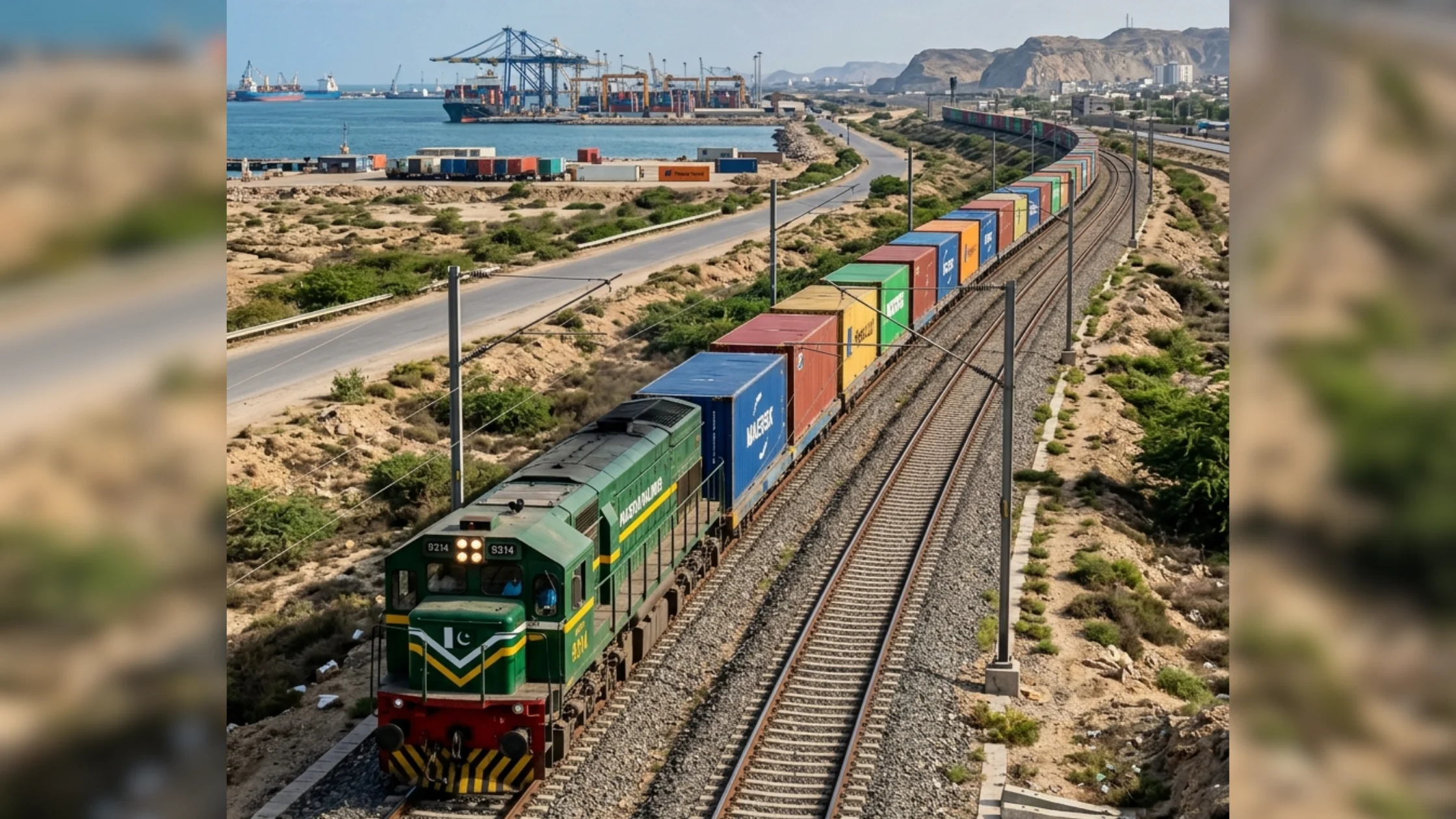
Pakistan Railways is playing an increasingly important role in the country’s logistics and transportation sector by offering improved freight services that help businesses move cargo safely, quickly, and at lower costs. As Pakistan’s economy continues to grow and trade volumes increase, efficient transportation has become essential for manufacturers, importers, exporters, and distributors.
The latest freight transportation initiative focuses on connecting major seaports, including Karachi Port and Port Qasim, with key industrial and commercial centers across Pakistan. Through a well-established railway network, businesses can transport containers, raw materials, and finished products to major cities such as Lahore, Faisalabad, Multan, Rawalpindi, and other upcountry destinations.
The move is expected to strengthen supply chains, reduce transportation expenses, and improve overall logistics efficiency for businesses operating throughout the country.
Growing Demand for Reliable Freight Transportation
Pakistan’s industrial sector depends heavily on efficient cargo transportation. Every day, thousands of containers arrive at Karachi Port and Port Qasim carrying imported goods, machinery, raw materials, and consumer products. These goods must then be transported to manufacturing hubs and commercial markets located hundreds of kilometers away.
Traditionally, road transportation has been the dominant method for moving cargo across the country. However, increasing fuel costs, traffic congestion, highway wear and tear, and delivery delays have encouraged businesses to explore alternative transportation solutions.
Pakistan Railways is positioning itself as a reliable alternative by offering freight services that provide consistent delivery schedules, improved cargo security, and competitive transportation costs.
Direct Connectivity Between Ports and Industrial Cities
One of the biggest advantages of Pakistan Railways freight operations is the direct connection between the country’s major ports and industrial centers.
Karachi Port and Port Qasim serve as Pakistan’s primary gateways for international trade. A significant portion of imported and exported goods passes through these facilities every year. Through rail freight services, containers can be transported directly from these ports to major economic hubs without relying entirely on road networks.
Cities such as Lahore and Faisalabad are among Pakistan’s largest industrial centers. Faisalabad is widely known as the country’s textile capital, while Lahore serves as a major commercial, manufacturing, and distribution center. Reliable rail connectivity between ports and these cities helps businesses maintain smoother operations and avoid costly supply chain disruptions.
Cost Savings for Businesses
One of the main reasons businesses are increasingly considering rail freight is cost efficiency.
Transportation expenses represent a major portion of overall business operating costs. Rising fuel prices, vehicle maintenance expenses, toll charges, and driver shortages have increased the cost of road transportation in recent years.
Rail freight offers an economical alternative because trains can carry large volumes of cargo in a single journey. This allows transportation costs to be distributed across multiple containers, resulting in lower per-unit shipping expenses.
For businesses handling large shipments, bulk cargo, or regular container movements, rail transportation can generate substantial cost savings over time.
Improved Cargo Safety and Security
Cargo safety remains a top priority for businesses involved in domestic and international trade. Delays, theft, accidents, and cargo damage can result in significant financial losses and operational disruptions.
Pakistan Railways emphasizes secure freight handling procedures designed to protect goods throughout the transportation process. Containers transported via rail generally face fewer handling points compared to road transport, reducing the risk of damage.
The controlled railway environment also helps minimize exposure to highway-related risks such as traffic accidents, vehicle breakdowns, and cargo theft. This makes rail freight particularly attractive for businesses transporting high-value goods, industrial equipment, and sensitive products.
Faster and More Predictable Deliveries
Timely delivery is essential for modern supply chains. Manufacturers rely on raw materials arriving on schedule, while retailers need inventory replenishment to meet customer demand.
Road transportation can sometimes face delays due to traffic congestion, weather conditions, road maintenance work, and unexpected disruptions. Rail freight services provide a more structured transportation schedule, allowing businesses to better plan their operations.
Pakistan Railways aims to ensure that cargo reaches its destination according to predefined schedules, improving predictability and helping companies avoid costly delays.
Pakistan, UAE Close to Signing Comprehensive Economic Partnership Agreement (CEPA)
Supporting Importers and Exporters
Pakistan’s import and export sectors depend heavily on efficient logistics infrastructure. Delays at ports or during inland transportation can increase costs and affect international competitiveness.
The improved freight service provides importers and exporters with a dependable transportation option that connects ports directly to industrial zones and distribution centers.
For exporters, faster movement of goods from factories to ports can improve shipment timelines and customer satisfaction. Similarly, importers benefit from quicker delivery of goods arriving from international markets.
The streamlined container transportation process helps businesses manage inventory more effectively while reducing storage and handling expenses.
Reducing Highway Congestion
Pakistan’s highways carry a large volume of commercial traffic every day. Heavy trucks transporting containers and bulk cargo contribute significantly to road congestion and infrastructure wear.
By shifting a portion of freight transportation from roads to railways, Pakistan can reduce pressure on its highway network. This not only improves traffic flow but also helps lower road maintenance costs over the long term.
Reduced highway congestion can also benefit passenger transportation by improving travel times and road safety for all users.
Environmental Benefits of Rail Freight
Environmental sustainability is becoming an increasingly important consideration for governments and businesses worldwide.
Rail transportation is generally more energy-efficient than road transport, especially for large-volume cargo movements. Freight trains can transport substantial amounts of goods while consuming less fuel per ton compared to trucks.
As Pakistan seeks to reduce emissions and improve environmental performance, expanding rail freight operations can contribute to national sustainability goals. Lower fuel consumption and reduced road traffic can help decrease carbon emissions and improve air quality.
Strengthening Pakistan’s Trade Infrastructure
Modern logistics infrastructure is essential for economic growth and international competitiveness. Countries with efficient transportation systems are better positioned to attract investment, support industrial development, and facilitate trade.
Pakistan Railways’ freight expansion supports broader efforts to modernize the country’s logistics network. Improved connectivity between ports, industrial zones, and commercial centers can enhance supply chain efficiency and encourage business growth.
Investors often consider transportation infrastructure when making decisions about manufacturing and distribution facilities. Reliable freight services can therefore contribute to increased economic activity and job creation.
Future Opportunities for Freight Growth
Industry experts believe there is significant potential for further expansion of rail freight services in Pakistan.
As trade volumes increase and businesses seek more efficient logistics solutions, demand for rail transportation is expected to grow. Continued investment in railway infrastructure, freight terminals, cargo handling facilities, and digital tracking systems could further enhance service quality.
The development of dedicated freight corridors, improved intermodal facilities, and stronger port connectivity may help Pakistan Railways capture a larger share of the domestic logistics market in the coming years.
Conclusion
Pakistan Railways is emerging as a key player in the country’s logistics and transportation sector by providing safe, reliable, and cost-effective freight services. By connecting Karachi Port and Port Qasim with major industrial cities such as Lahore and Faisalabad, the railway network offers businesses an efficient solution for moving cargo across Pakistan.
The benefits of rail freight extend beyond cost savings. Improved cargo security, predictable delivery schedules, reduced highway congestion, environmental advantages, and stronger trade infrastructure make railway transportation an attractive option for businesses of all sizes.
As Pakistan continues to modernize its logistics sector, the expansion of freight rail services is expected to play an increasingly important role in supporting trade, industrial growth, and overall economic development.