

In recent years, Punjab has faced significant health challenges, particularly with the rise of dengue fever, air pollution, and polio. The provincial government has implemented a series of strategic initiatives aimed at controlling these public health threats. This blog explores the latest statistics and facts related to these issues, highlighting the government’s proactive measures and community involvement in combating these challenges.
Understanding the Health Challenges
1. Dengue Fever: The Growing Concern
Dengue fever has become a recurring issue in Punjab, especially during the monsoon season. According to the Punjab Health Department, over 13,000 confirmed dengue cases were reported in 2023, significantly higher than the previous year. The government has ramped up its response with enhanced surveillance and public awareness campaigns.
- Preventive Measures: The Punjab government has launched several initiatives, including:
- Fogging Operations: Targeted fogging in high-risk areas to eliminate mosquito breeding sites.
- Community Awareness Programs: Educational campaigns to inform the public about dengue prevention measures, such as eliminating stagnant water and using mosquito repellent.
2. Battling Air Pollution and Smog
Air quality has deteriorated in Punjab, particularly during the winter months, leading to severe smog that affects public health. The Pakistan Air Quality Index reported that cities like Lahore often exceed 300 AQI, classifying the air as hazardous.
- Government Initiatives:
- Tree Plantation Drives: The Punjab government has initiated extensive tree-planting campaigns to improve air quality. In 2023, over 10 million trees were planted across the province.
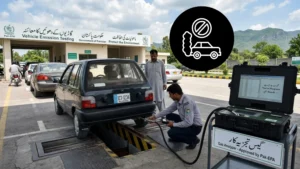
- Industrial Regulation: Stricter regulations on industrial emissions have been enforced to curb pollution from factories and vehicles.
- Public Transport Improvement: Investment in clean energy public transport systems aims to reduce the reliance on personal vehicles, thereby cutting down vehicular emissions.
3. Polio: A Persistent Threat
Polio remains a significant health challenge in Pakistan, with Punjab being one of the provinces where the virus is still endemic. In 2023, 25 polio cases were reported in the country, with several linked to the Punjab region.
- Vaccination Campaigns: The Punjab government has intensified its vaccination efforts:
- Door-to-Door Campaigns: Regular polio vaccination drives have been conducted, reaching millions of children.
- Community Engagement: Involving local leaders and communities to raise awareness about the importance of vaccination.
Collaborating with Communities
The success of these initiatives heavily relies on community engagement. The Punjab government has fostered partnerships with NGOs and community leaders to enhance awareness and participation in health programs. For instance, local health workers play a crucial role in disseminating information and ensuring vaccinations are administered effectively.
The Role of Technology
Technology is playing an increasingly vital role in Punjab’s health initiatives. The government has introduced mobile applications for real-time data tracking of dengue cases and smog levels, enabling quick response measures. Moreover, social media campaigns are being utilized to spread awareness and educate citizens about preventive measures.
The Punjab government’s concerted efforts to combat dengue, smog, and polio reflect a commitment to improving public health. With the implementation of effective strategies, community involvement, and the use of technology, there is hope for a healthier future for the residents of Punjab. As citizens, it is essential to remain vigilant, participate in health initiatives, and adopt preventive measures to contribute to these efforts.
Stay informed about public health initiatives in your area and participate in community programs. Together, we can create a healthier Punjab! For more updates and information, visit the official Punjab Health Department website or follow them on social media.