
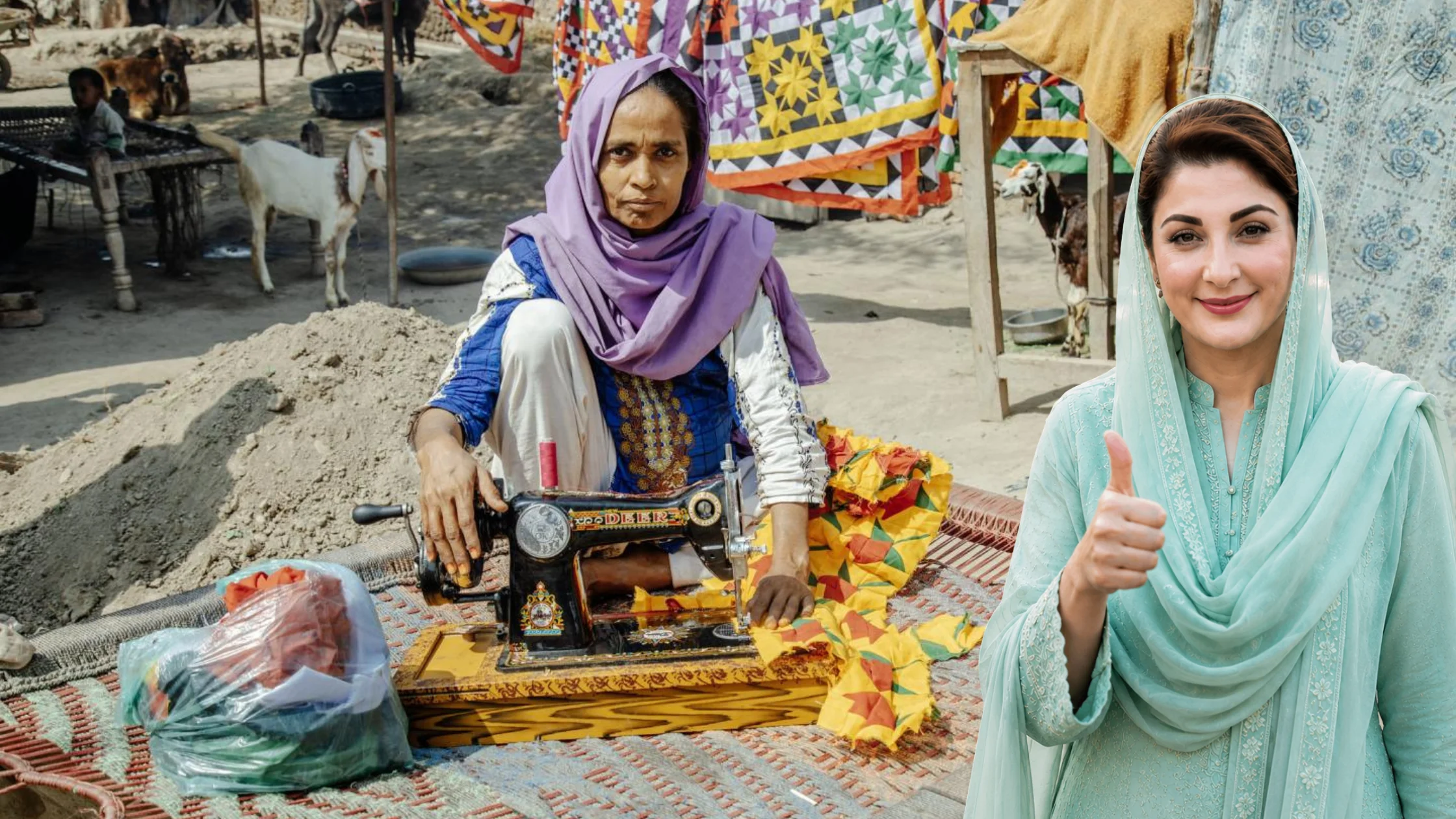
The Punjab government has announced a major initiative called “She Threads” aimed at economically empowering rural women through professional training and employment opportunities in the textile sector. The program, launched under the vision of Chief Minister Maryam Nawaz Sharif, has been allocated a budget of Rs. 310 million and focuses on turning skilled rural women into financially independent contributors to the economy.
Under this initiative, women from villages across Punjab aged between 18 and 45 years and at least middle-pass educated are eligible to apply. Selected participants will receive a monthly stipend of Rs. 15,000 along with a transport allowance to support their training journey. The government believes that financial support during training will help women focus on skill development without economic pressure.
The “She Threads” program offers 10 specialized textile training courses designed in collaboration with industry needs. These include industrial stitching machine operation, fabric quality inspection, apparel planning and merchandising, pattern making and cutting, garment finishing, packaging, waxing, and other technical textile skills. The training is being conducted in major industrial cities such as Lahore, Faisalabad, Sialkot, and Sheikhupura.
Punjab Budget 2026-27 to Be Presented on June 16, Focus on Public Relief and Fiscal Discipline
According to official details, 2,500 women have already completed training in previous phases, and 773 of them secured employment immediately after completion. Currently, 1,150 women are undergoing training, while an additional 1,350 will be enrolled next year. This reflects growing industry demand for skilled female workers in Pakistan’s textile sector.
Chief Minister Maryam Nawaz Sharif stated that empowering women economically is a top priority of her government. She emphasized that a skilled woman is a valuable national asset and that the textile industry offers vast employment opportunities for trained women.
The initiative is being viewed as a significant step toward rural development, gender inclusion, and long-term economic stability for women in Punjab.