

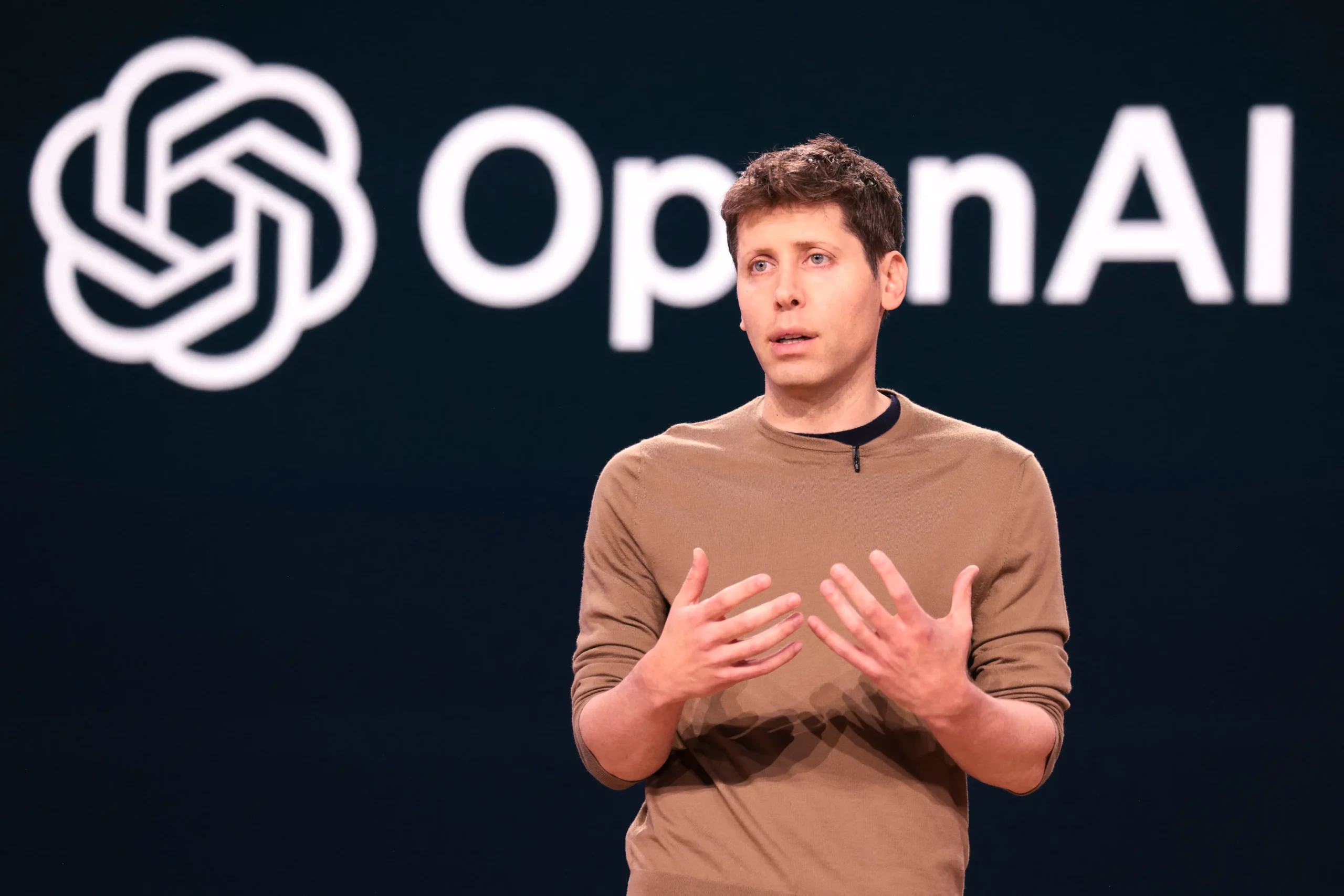
Sam Altman, CEO of OpenAI, recently revealed an eye-opening fact: a single ChatGPT query consumes roughly the same amount of energy as keeping an LED bulb on for two minutes. While this may seem like a small amount on an individual level, when scaled across millions of interactions daily, the cumulative energy consumption becomes significant. This disclosure sheds light on an often-overlooked aspect of AI technology: its environmental impact.
As artificial intelligence continues to grow in popularity and utility worldwide integrating into sectors like healthcare, finance, customer service, and entertainment the energy demands associated with powering these advanced models are increasing. Data centers, computational resources, and infrastructure required to run AI systems are energy-intensive. With AI’s expansion, concerns about its carbon footprint are becoming more pressing.
Environmental sustainability is now a critical issue facing the tech industry. While AI holds immense potential to drive innovation and solve global problems, its environmental costs cannot be ignored. The AI community and developers are urged to focus on energy-efficient algorithms, hardware, and practices that reduce power consumption without compromising performance. Innovations such as optimized training models, greener data centers, and energy-aware AI design are steps being taken toward more sustainable AI solutions.
The Japanese Walking Technique That’s Better Than Running for Weight Loss
This revelation from Sam Altman emphasizes the need for a balanced approach one where technological advancement and environmental responsibility go hand in hand. As AI tools become increasingly embedded in everyday life, from virtual assistants to autonomous vehicles, it is crucial that their development aligns with sustainability goals. Reducing energy requirements not only helps combat climate change but also makes AI more accessible and affordable for regions with limited resources.
Furthermore, policymakers and industry leaders are encouraged to establish standards and regulations to promote greener AI development. Public awareness and demand for eco-friendly technologies can also accelerate this shift toward sustainable AI practices.
In Sam Altman conclusion, as AI continues to revolutionize our world, it is more important than ever to prioritize energy-efficient innovations. By doing so, we can harness the benefits of AI while minimizing its environmental impact, ensuring that progress does not come at the expense of our planet. The future of AI depends on balancing technological growth with responsible stewardship of our environment.