
Saudi authorities have introduced a new visiting schedule for Hijr Ismail (Hateem) at the Grand Mosque in Makkah to improve crowd management and provide pilgrims with a more organized and peaceful worship experience.
According to the updated schedule, women can visit Hijr Ismail from 6:00 AM to 9:00 AM, while men will be allowed entry from 10:00 PM to 1:00 AM. Authorities have also set a maximum visit duration of 10 minutes per person to ensure that more pilgrims have the opportunity to enter the sacred area.
The revised timings are part of ongoing efforts to manage the large number of worshippers visiting the Holy Mosque throughout the year, especially during the busy Umrah season. By assigning separate visiting hours and limiting the time spent inside, officials aim to reduce overcrowding and improve the overall experience for pilgrims.
Pilgrims are advised to check the latest visiting hours before arriving, as the schedule may change depending on crowd levels, operational requirements, or special circumstances. Visitors should also use the designated entry points, follow the official queue system, and cooperate with mosque staff to ensure smooth movement.
Over 48,000 Pakistani Pilgrims Arrive in Saudi Arabia for Hajj 2026
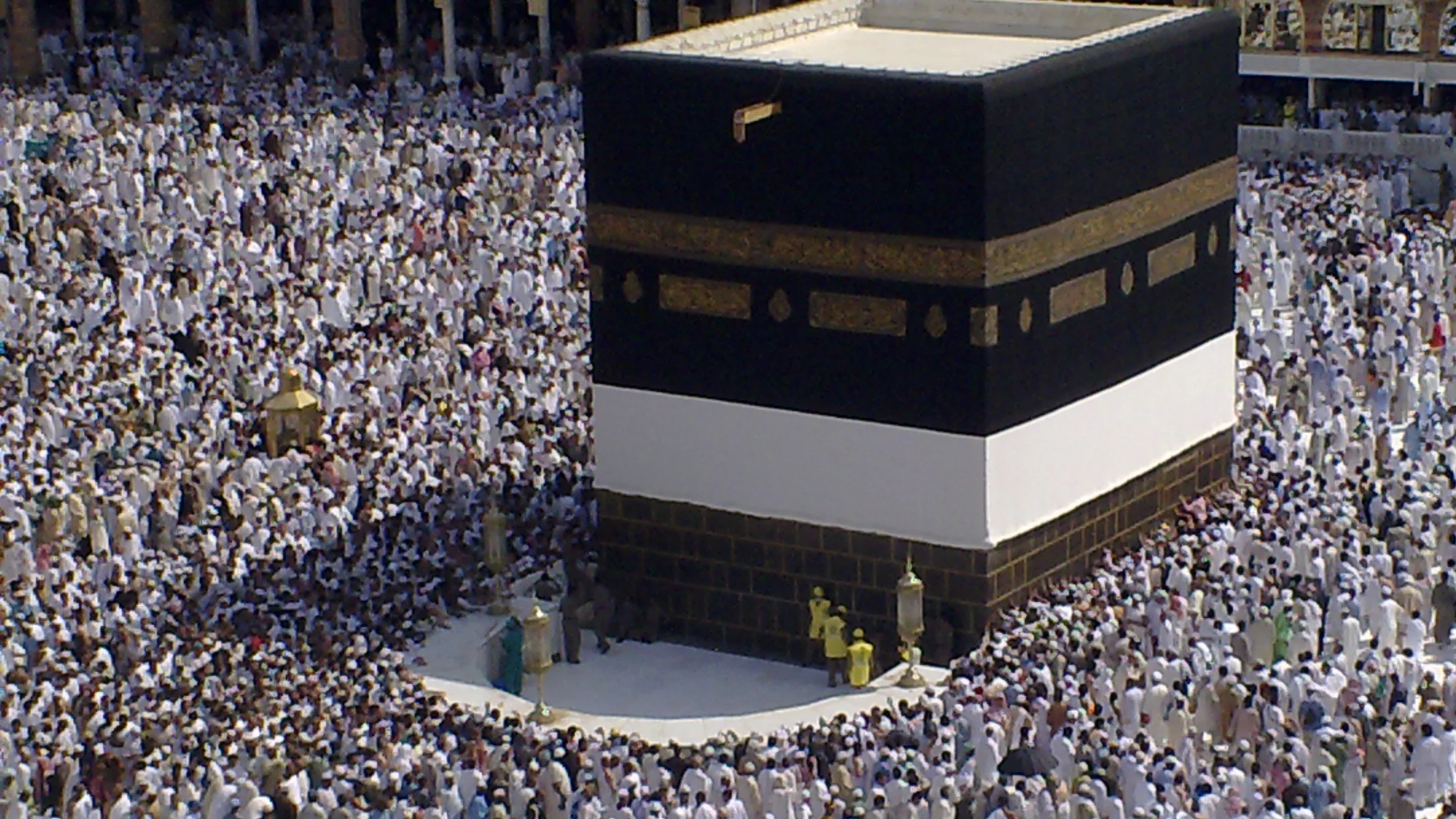
Hijr Ismail, also known as Hateem, is a semi-circular area adjacent to the Holy Kaaba and holds great spiritual significance for Muslims. Many pilgrims wish to offer voluntary prayers there during their Umrah or Hajj because it is regarded as part of the Kaaba’s original foundation.
Saudi authorities continue to introduce measures that enhance safety, improve crowd control, and provide a better experience for millions of worshippers visiting Masjid al-Haram each year. The new schedule is expected to help maintain order while allowing more pilgrims to visit Hijr Ismail comfortably.
Pilgrims planning their Umrah are encouraged to stay updated through official announcements, arrive on time for their allocated visiting window, and follow all instructions issued by mosque authorities. Careful planning and cooperation will help ensure a peaceful and spiritually rewarding visit to one of Islam’s most revered sites.