
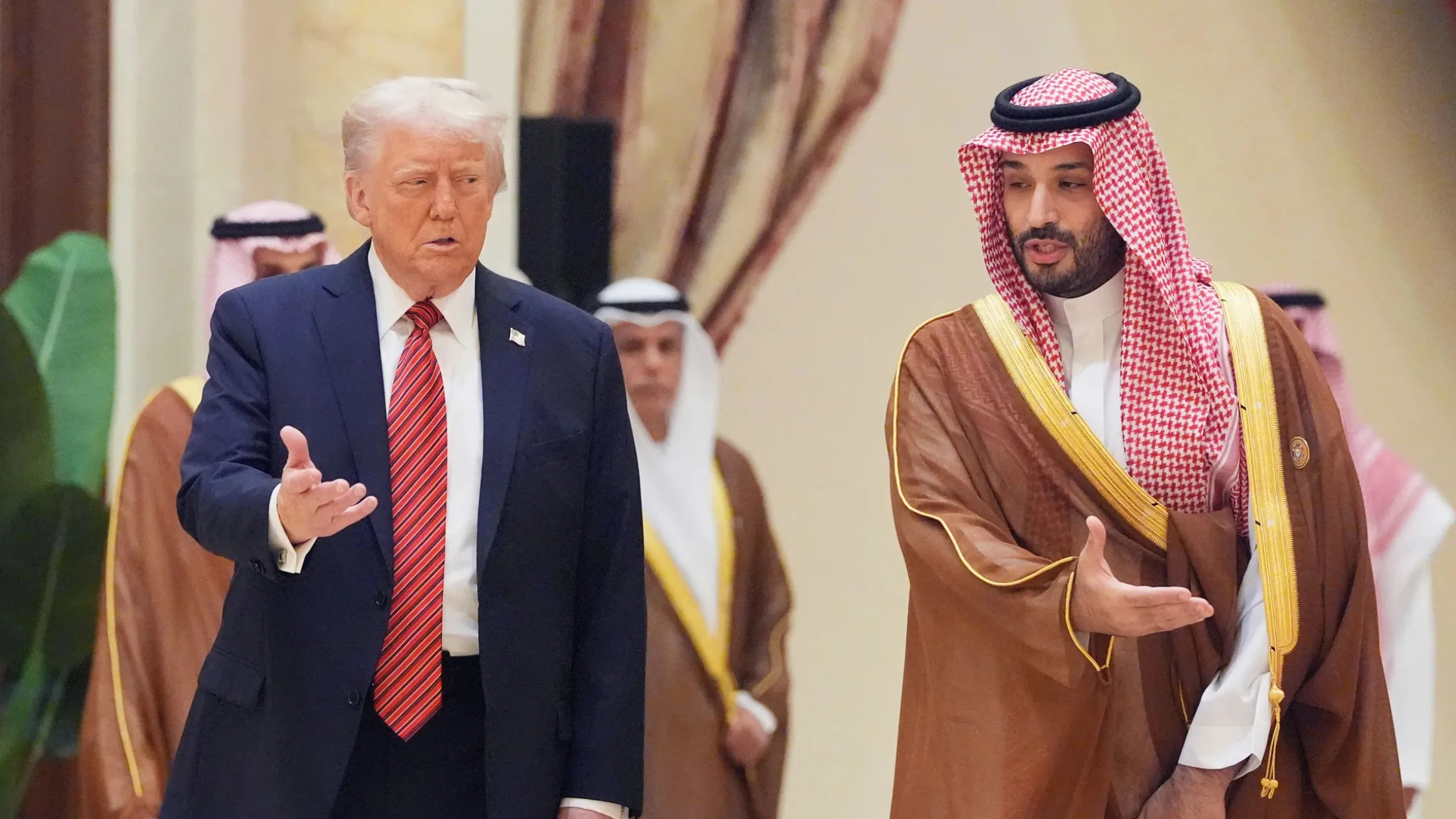
Saudi Arabia is reportedly pressing the United States to reconsider its current military pressure on the Strait of Hormuz and return to diplomatic talks, warning that continued escalation could destabilize the wider Middle East energy corridor.
According to a report cited by the Wall Street Journal, Saudi officials are concerned that the ongoing situation could push Iran toward retaliatory actions affecting global shipping lanes. In particular, Riyadh fears that any escalation could trigger disruption in another critical waterway—the Bab al-Mandeb Strait—which is vital for oil exports and global trade routes.
The concern is not limited to Hormuz alone. Saudi Arabia reportedly believes that if tensions rise further, Iran could respond indirectly through allied groups in Yemen, potentially impacting Bab al-Mandeb and threatening the flow of energy exports heading toward Europe and Asia. This would widen the crisis from one chokepoint into a broader disruption of global maritime trade.
Iran Allows 20 More Pakistani Ships Through the Strait of Hormuz: A Positive Step for Regional Peace
Saudi officials are therefore urging Washington to step back from a hard military stance and instead prioritize renewed negotiations with Tehran. The goal, according to the report, is to prevent a chain reaction that could affect multiple shipping routes and drive global oil prices even higher.
The Strait of Hormuz already handles a significant portion of the world’s oil shipments, making it one of the most sensitive geopolitical pressure points on the planet. Any disruption there, combined with risks in the Red Sea corridor, could have serious consequences for global energy markets, inflation, and supply chains.
While the situation remains fluid, the core message from Riyadh is clear: escalation in one chokepoint could quickly spread into another, and diplomacy may be the only way to prevent a wider energy crisis.