
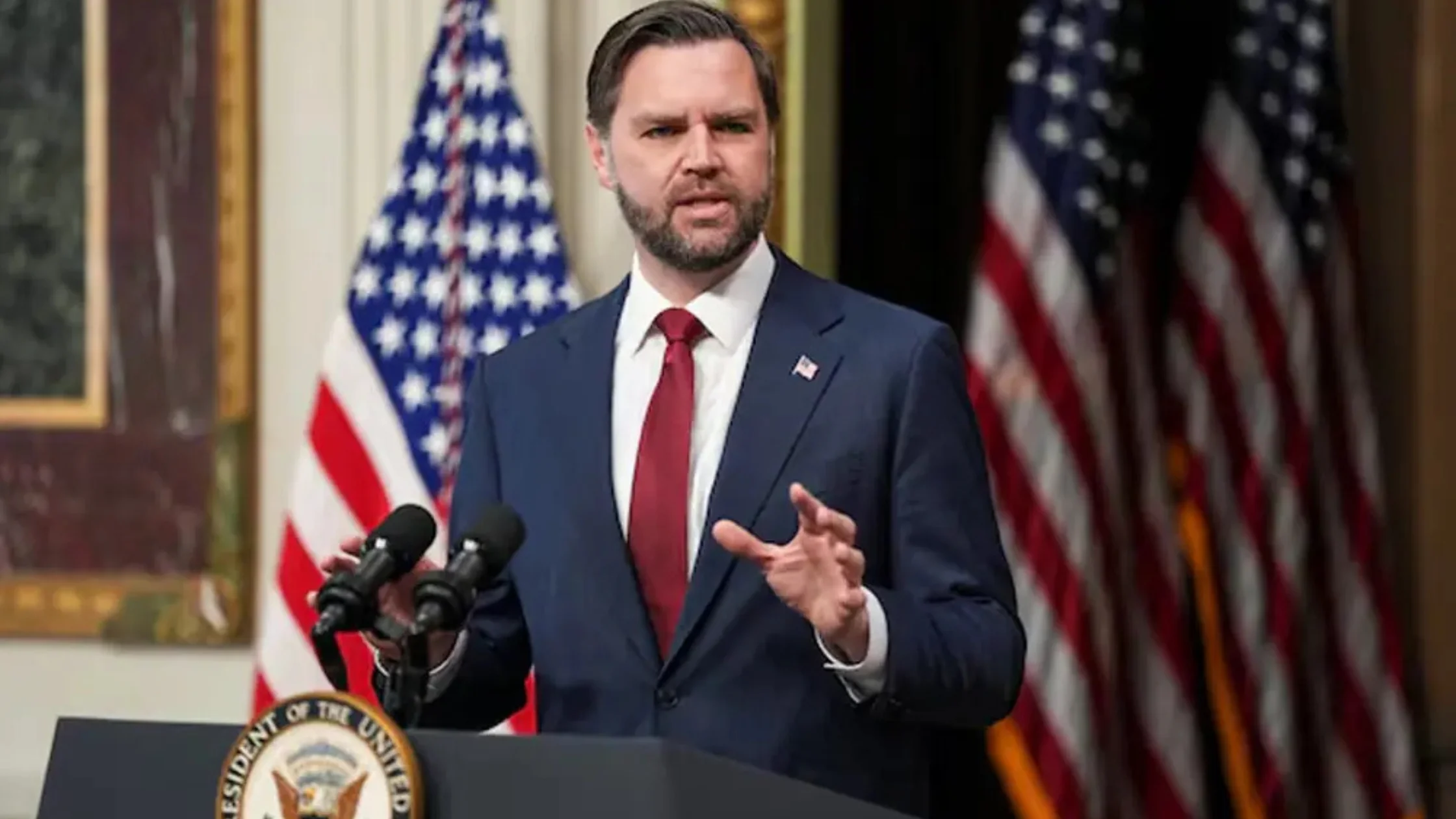
During a recent interview on Fox News, U.S. Vice President JD Vance reportedly acknowledged the role of Pakistan’s leadership in facilitating diplomatic engagement between the United States and Iran. His remarks highlighted appreciation for the hosting efforts carried out in Pakistan, especially in the context of renewed diplomatic communication after a long gap between the two countries.
According to the statement, JD Vance expressed gratitude toward Pakistan’s top leadership, including Prime Minister Shehbaz Sharif and Field Marshal Asim Munir, praising their role in supporting and facilitating dialogue. He described their involvement as an example of strong and responsible leadership, emphasizing that such diplomatic support helped create space for meaningful discussions at a time when direct communication between Washington and Tehran had been limited for years.
PM Shehbaz Sharif Meets US Vice President JD Vance as Islamabad Talks Begin
The remarks also reflected the importance of international cooperation in resolving geopolitical tensions. According to the interview narrative, Pakistan’s hosting role was seen as a bridge-building effort, bringing key stakeholders closer to dialogue in a sensitive regional and global context. The Vice President’s comments highlighted how behind-the-scenes diplomatic support can sometimes play a major role in opening doors that had remained closed for a long time.
This development, as presented in the interview, positions Pakistan as an active contributor to regional diplomacy, especially in situations involving complex international relations. The acknowledgment from a high-ranking U.S. official adds weight to the perception of Pakistan’s growing diplomatic engagement in global affairs.
Overall, the interview emphasized respect for Pakistan’s leadership efforts and framed the discussions as an important step toward rebuilding communication channels between major geopolitical players after years of limited engagement.