
When we think of education in Pakistan, the first thing that often pops into our minds is the constant struggle to overcome challenges. From overcrowded classrooms to underfunded institutions, the hurdles are real. But let’s flip the script, shall we? Let’s talk about the immense power and potential that lies within the Pakistani education system—a force that’s slowly but surely making waves.
Here’s the truth: amid all the noise, Pakistan’s education sector is undergoing a transformation, one that promises a brighter future for generations to come. It’s not all doom and gloom. In fact, there’s a lot to celebrate!
The Rise of Innovation and Tech Integration
Gone are the days when education in Pakistan was just about textbooks and rote memorization. The digital revolution has shaken things up in the best way possible. Thanks to initiatives like School of International Education and digital platforms such as Learning Management Systems (LMS), students now have access to online courses, virtual classrooms, and e-learning tools that were once reserved for the world’s wealthiest nations.
From tech-savvy young students in remote villages to college graduates developing apps and coding in cities, Pakistan is nurturing a generation that’s ready to compete globally. The government’s push to integrate technology into education is not only improving access but also ensuring that young minds are getting the skills they need to thrive in the 21st century.
Private Sector Contributions: The Game Changers
While public education in Pakistan still faces its fair share of issues, the private sector has stepped in as a game-changer. Schools, colleges, and universities across the country are raising the bar by providing quality education with a focus on holistic development. From international curriculums to innovative teaching methods, these institutions are giving students the skills they need to succeed in today’s fast-paced world.
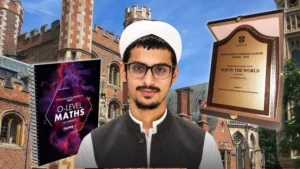
And let’s not forget about the rise of private universities and their focus on specialized fields like engineering, business, and media studies. These institutions are helping produce a new breed of professionals who are ready to take on global challenges. The best part? Many of these institutions offer scholarships to underprivileged students, creating opportunities for those who would have otherwise missed out.
Empowering Girls: The Unstoppable Force
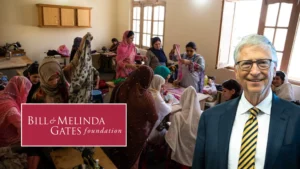
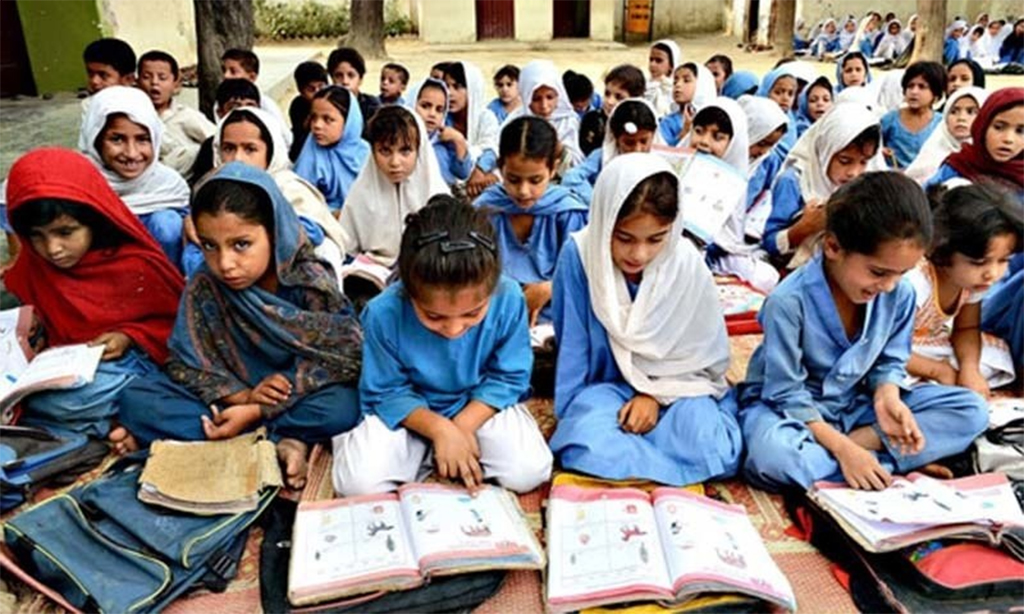
One of the most powerful trends shaping education in Pakistan is the increasing focus on girls’ education. For years, societal barriers held many girls back from pursuing education, but things are changing rapidly. Non-governmental organizations (NGOs), local activists, and forward-thinking policymakers are coming together to make sure that every girl has the chance to learn.
Programs like The Girls Education Program by the United Nations and the government’s own Benazir Bhutto Shaheed Youth Development Program are breaking barriers and bringing education to girls who live in rural and remote areas. As more girls are empowered with education, the nation is witnessing a shift: educated women are becoming leaders, entrepreneurs, doctors, and engineers, challenging traditional norms and reshaping the future of Pakistan.
The Revival of Vocational Training
Here’s a kicker: not all education is about degrees. Pakistan is seeing a revival in vocational training, which is something we’ve desperately needed. The focus is shifting from purely academic qualifications to skill-based training, and that’s a big win for the country’s workforce.
Initiatives like TEVTA (Technical Education and Vocational Training Authority) and partnerships between educational institutions and industry leaders are helping bridge the gap between education and employment. Skilled workers—whether in construction, manufacturing, or the tech sector—are gaining the expertise they need to secure jobs and contribute meaningfully to the economy.
The Shift Towards Inclusivity
Inclusive education is another bright spot on the horizon. Pakistan is taking steps to ensure that children with disabilities can access education on an equal footing. Schools are adapting to accommodate students with special needs, and initiatives like The Special Talent Exchange Program (STEP) are playing a huge role in this change.
By fostering an inclusive education system, Pakistan is creating a society that recognizes the value of every individual, regardless of their abilities. This is not just a win for students with disabilities; it’s a win for society at large, as it teaches tolerance, empathy, and the importance of diversity.
The Road Ahead
Pakistan’s education system is at a pivotal point. It’s far from perfect, but the positive momentum is undeniable. From the integration of technology to the push for girls’ education, the road ahead is full of promise. The key now is to continue building on these efforts, ensuring that every child, no matter their background, has access to quality education.
As more students graduate with the skills, confidence, and knowledge to take on the world, Pakistan’s future is looking brighter than ever. The power of education isn’t just in the classrooms—it’s in the lives of every student it touches. And that, my friends, is a force that can never be underestimated.
So, next time you think about education in Pakistan, think about the changemakers. The dreamers. The doers. The students who are ready to create a future that’s as bright as their ambition. And remember, the positive side of education in Pakistan is not just a hope—it’s already unfolding.