

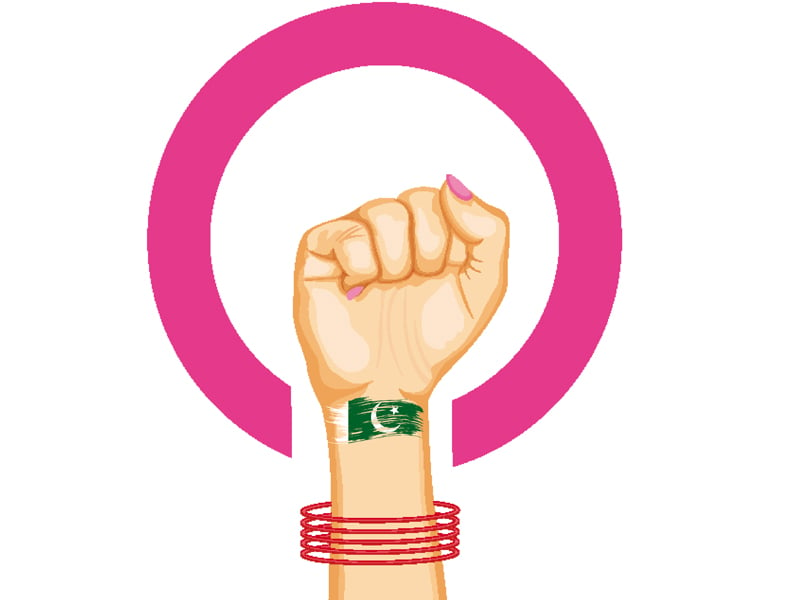
Let’s face it: women empowerment isn’t a buzzword anymore. It’s a movement, a force, and a revolution that demands to be heard—and it’s not slowing down anytime soon. In Pakistan, where societal norms have often held women back, a shift is happening. Women are stepping into leadership roles, fighting for equal rights, and claiming spaces that were once denied to them. But here’s the twist: It’s not just about changing mindsets; it’s about laws that support the change.
Breaking Down the Legal Backbone: The Laws That Matter
Pakistan has a rich history of progressive laws aimed at uplifting women, but the road has been rocky. Women have had to fight for their rights, and many continue to do so. However, the legislation on women’s rights has progressively gotten better—and that’s something worth celebrating.
- The Protection Against Harassment at the Workplace Act (2010)
Women in the workplace—finally protected! This law was a game-changer in tackling sexual harassment. It not only criminalized workplace harassment but also mandated a formal complaint system. Now, women have a legal shield to stand up against mistreatment at work, and it’s making workplaces safer and more inclusive. - The Domestic Violence (Prevention and Protection) Act (2012)
Domestic violence has been a silent epidemic, but this law aims to break that silence. It ensures women have a legal recourse if they’re victims of domestic violence, offering protection orders and safe houses. It’s the first step in giving women the courage to speak up, knowing they won’t be silenced by societal pressures anymore. - The Punjab Women Protection Authority (2017)
The establishment of this authority is like having a direct line to justice for women in Punjab. This body is dedicated to addressing issues like domestic violence, harassment, and violence against women. Think of it as a safety net for women who need immediate assistance and a quick response to violence. - The Women in Business and Commerce Act (2016)
Want to be your own boss? The law supports it. Women in Pakistan have long faced challenges when it comes to entering the workforce, but now the Women in Business and Commerce Act is here to change that. The law offers incentives to women entrepreneurs and ensures that women can access credit and financial resources without facing gender bias. It’s a win for female entrepreneurs in a country where women’s participation in business is still underrepresented. - The National Commission on the Status of Women (NCSW)
This body holds the government accountable for ensuring that women’s rights are protected. They don’t just sit back and relax—they advocate, monitor, and report on women’s rights violations, and they push for more robust policies to improve the condition of women. It’s like the watchdog that ensures women’s issues don’t get swept under the rug.
Why These Laws Matter
These laws matter because they are more than just ink on paper. They’re the foundation of a societal transformation—a transformation that says, “Women matter. Their voices matter. Their rights matter.” But we have to keep pushing the envelope. Laws are a great start, but their true power comes from how they are enforced and whether they reach the women who need them most.
Women empowerment isn’t just about legislations; it’s about living the laws. And that means cultural attitudes need to catch up with the legal framework. In many cases, while laws protect women, patriarchal structures still linger in the shadows, making it difficult for women to freely exercise their rights.
Empowering Women, Empowering the Nation
When women are empowered, they don’t just change their own lives—they transform their communities, their economies, and ultimately their nations. It’s high time we embrace the laws that back this movement, raise our voices, and demand enforcement at every level. Pakistan’s future looks brighter when every woman has the tools, support, and legal power to pursue her dreams.
In the battle for women’s rights, laws are not just tools for justice—they’re a statement that women are equal, valuable, and deserving of every opportunity. And trust us, this revolution is only getting started. So, let’s ride the wave of change and show the world what empowered women can really do.