
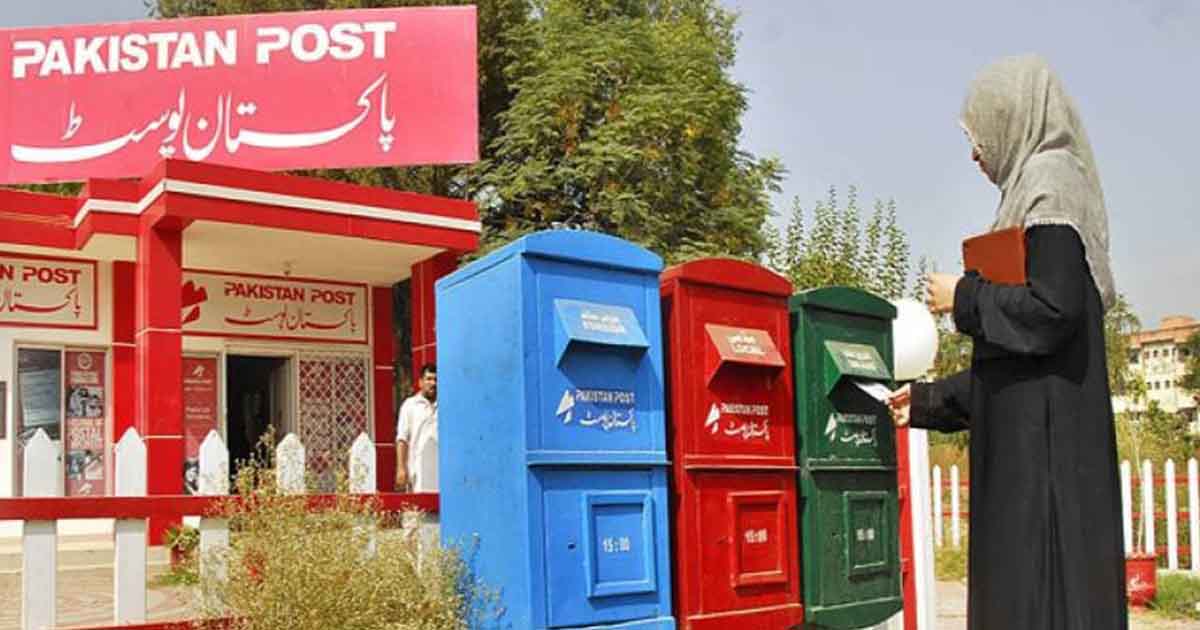
Pakistan’s postal system is a remarkable journey of transformation—from the early days of handwritten letters sealed with wax to the modern era of digital communication. Established at the time of independence in 1947, Pakistan’s postal service played a crucial role in connecting people across the newly formed country, facilitating trade, and supporting government operations. Today, as the world moves toward instant messaging and e-commerce logistics, Pakistan Post is evolving to keep up with the changing demands of the digital age.
Let’s take a deep dive into the postal history of Pakistan, exploring its milestones, challenges, and transformation over the decades.

The Origins: Postal Services at Independence (1947-1949)
When Pakistan emerged as an independent state on August 14, 1947, it inherited an incomplete postal infrastructure from British India. The challenge was enormous—there were limited post offices, inadequate transportation networks, and a massive population to serve.
Initially, Pakistan used Indian stamps with the word “Pakistan” overprinted on them. However, this was only a temporary solution. On July 1, 1948, Pakistan issued its first set of postage stamps, featuring:
- The Karachi Airport, representing Pakistan’s connectivity.
- The Lahore Fort, symbolizing the country’s rich heritage.
- The Khyber Pass, highlighting its strategic and geographical importance.
This marked the beginning of Pakistan’s independent postal identity.
1950s-1970s: The Expansion Era
1. Growth of Postal Infrastructure
During the 1950s and 1960s, the postal service rapidly expanded. New post offices were established across urban and rural areas, ensuring better communication across the country.
The government introduced airmail services, improving connectivity for international and domestic mail. Cities like Karachi, Lahore, and Rawalpindi became major postal hubs, linking Pakistan to the world.
2. Iconic Stamp Series & Philately Boom
The 1960s and 1970s saw the golden age of stamp collecting (philately) in Pakistan. Some of the most famous Pakistani stamps issued during this period include:
- 1965 Indo-Pak War Commemorative Stamps – Issued to honor Pakistan’s defense efforts.
- Quaid-e-Azam and Allama Iqbal Stamps – Celebrating the leaders of Pakistan’s independence.
- Islamic Summit Conference Stamps (1974) – Marking Pakistan’s role in the Muslim world.
Pakistani stamps became sought-after items among international collectors due to their unique designs and historical significance.
1980s-1990s: Facing Challenges & Competition
1. Technological Advancements
By the 1980s, Pakistan Post faced competition from private courier services like TCS (Tranzum Courier Service), which promised faster deliveries. In response, the postal service introduced:
- Express Mail Service (EMS) for quick deliveries.
- Registered Mail for secure and traceable correspondence.
- Money Order Services, making it easier for people to send and receive funds.
Despite these innovations, bureaucracy, slow service, and lack of investment made Pakistan Post lag behind private competitors.
2. Decline in Traditional Mail
By the 1990s, the rise of fax machines and early email services reduced the demand for traditional letters. While the post office continued handling parcels, official documents, and money transfers, handwritten letters became rare.
2000s-Present: The Digital Age & Pakistan Post’s Transformation
1. E-Commerce & Parcel Boom
In the 2010s, Pakistan Post saw a revival—not in letter deliveries, but in parcel services due to the rise of online shopping. Platforms like Daraz, Telemart, and HomeShopping.pk needed reliable delivery networks, and Pakistan Post capitalized on this demand by offering competitive rates for parcel shipments.
2. Digitization & Modernization Efforts
To compete with private courier services, Pakistan Post launched digital tracking systems and improved its logistics. Some recent reforms include:
- Pakistan Post E-Commerce Initiative (2019) – Allowing small businesses to ship products via Pakistan Post.
- Mobile Tracking Apps – Enabling customers to track their shipments.
- Online Money Transfer Services – Facilitating financial transactions through postal networks.
However, challenges like slow service, outdated infrastructure, and bureaucratic inefficiencies still pose hurdles in fully modernizing Pakistan’s postal service.
The Role of Postal Services in Pakistan’s History
1. Connecting the Nation
Before mobile phones and email, letters were the lifeline of communication. Whether it was a soldier writing home, a student sending university applications, or families staying connected, Pakistan Post played a crucial role in keeping people linked.
2. Government & Legal Documentation
From passport applications to court summons, Pakistan Post has historically been responsible for handling official government communications. Even today, many legal documents are processed via postal mail.
3. Cultural & Philatelic Importance
Pakistan’s postage stamps serve as historical artifacts, reflecting the country’s political, cultural, and social changes. From stamps featuring Muhammad Ali Jinnah to Pakistan’s nuclear tests, each stamp tells a story of national significance.
Challenges & The Road Ahead
Challenges Facing Pakistan Post
- Outdated Infrastructure – Many post offices lack modern facilities.
- Slow Delivery Times – Private couriers often provide faster alternatives.
- Bureaucracy & Mismanagement – Red tape slows down decision-making.
- Lack of Public Trust – Many people prefer private services over Pakistan Post.
Future Prospects
To survive in the digital era, Pakistan Post must:
✔ Fully digitize its services, including AI-driven tracking and online booking.
✔ Partner with e-commerce platforms to improve logistics.
✔ Upgrade postal infrastructure to match international standards.
✔ Enhance customer service to regain public trust.
With proper reforms, Pakistan Post can become a major player in the modern logistics industry—competing not just locally, but also globally.
Final Thoughts—Postal History of Pakistan-From Letters to Logistics
The postal history of Pakistan is a testament to the country’s evolution—from an era of handwritten letters to the fast-paced digital age. While the golden days of letter writing are gone, Pakistan Post still holds immense potential in the e-commerce and parcel delivery sector.
The challenge is simple: Will Pakistan Post rise to meet the demands of the future, or will it remain a relic of the past? Only time will tell.
One thing is certain—whether in the form of a traditional stamp or a digital tracking number, the story of Pakistan’s postal service is far from over.