
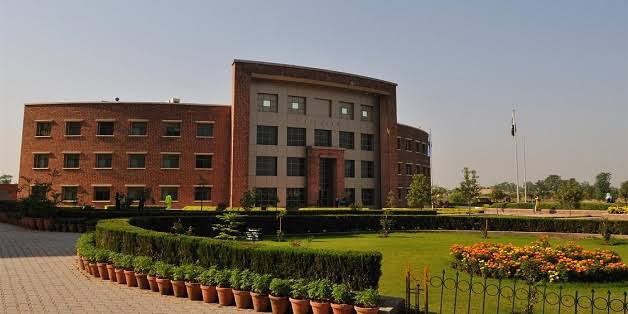
The Degrees Initiative has chosen nine additional teams, including a group of social scientists from COMSATS University Islamabad, to earn competitive research grants. This award assists social scientists studying the socio-political effects of sun radiation management (SRM) in underdeveloped nations and emerging economies.
SRM, sometimes referred to as climate intervention or solar geoengineering, is a contentious strategy put out to reduce some of the risks associated with global warming. It may mean methods like reflecting sunlight back into space by introducing microscopic particles into the upper atmosphere, which could lessen the effects of climate change. SRM may have important good and negative effects given the rise in global temperatures, particularly in climate-vulnerable areas like the Global South.
The team from COMSATS University Islamabad will concentrate on the socio-political implications of SRM in Pakistan’s health sector and climate change. Experts in SRM from the Global North and South will work with them. This study is one of the first of its type in South Asia and the first social science research endeavor on SRM in Pakistan.
The chief investigator, Professor Dr. Athar Hussain, expressed enthusiasm about spearheading this innovative study. “We are thrilled to explore the critical intersections between public health, climate change, and SRM in Pakistan,” he said. This effort expands upon our earlier analysis of SRM’s effects on malaria and climate change in South Asia. Further information on the previous project is available here.
“Our prior research provided valuable evidence on the impacts of climate change and SRM on malaria,” Dr. Hussain continued. This new initiative, funded by the Socio-Political Fund of The Degrees Initiative, will connect policy planning with scientific knowledge. Our goal is to generate high-caliber research to solve issues related to public health, SRM, and climate change and to help shape policy decisions. In order to provide policymakers in Pakistan with evidence-based insights on malaria under several climate change and SRM scenarios, we will create a dashboard. This information will improve policy creation and help in comprehending the risks and advantages of SRM.
“This project offers a unique opportunity to explore the socio-political and ethical dimensions of SRM in Pakistan’s health sector,” said Dr. Abdul Waheed, one of the project’s policy analysts. Our goal is to contribute to the global conversation on SRM and provide valuable insights for policy makers through comprehensive stakeholder interactions. Our mission is to promote sensible policies that balance the possible hazards and advantages of SRM technology with the goals of climate resilience and public health.