

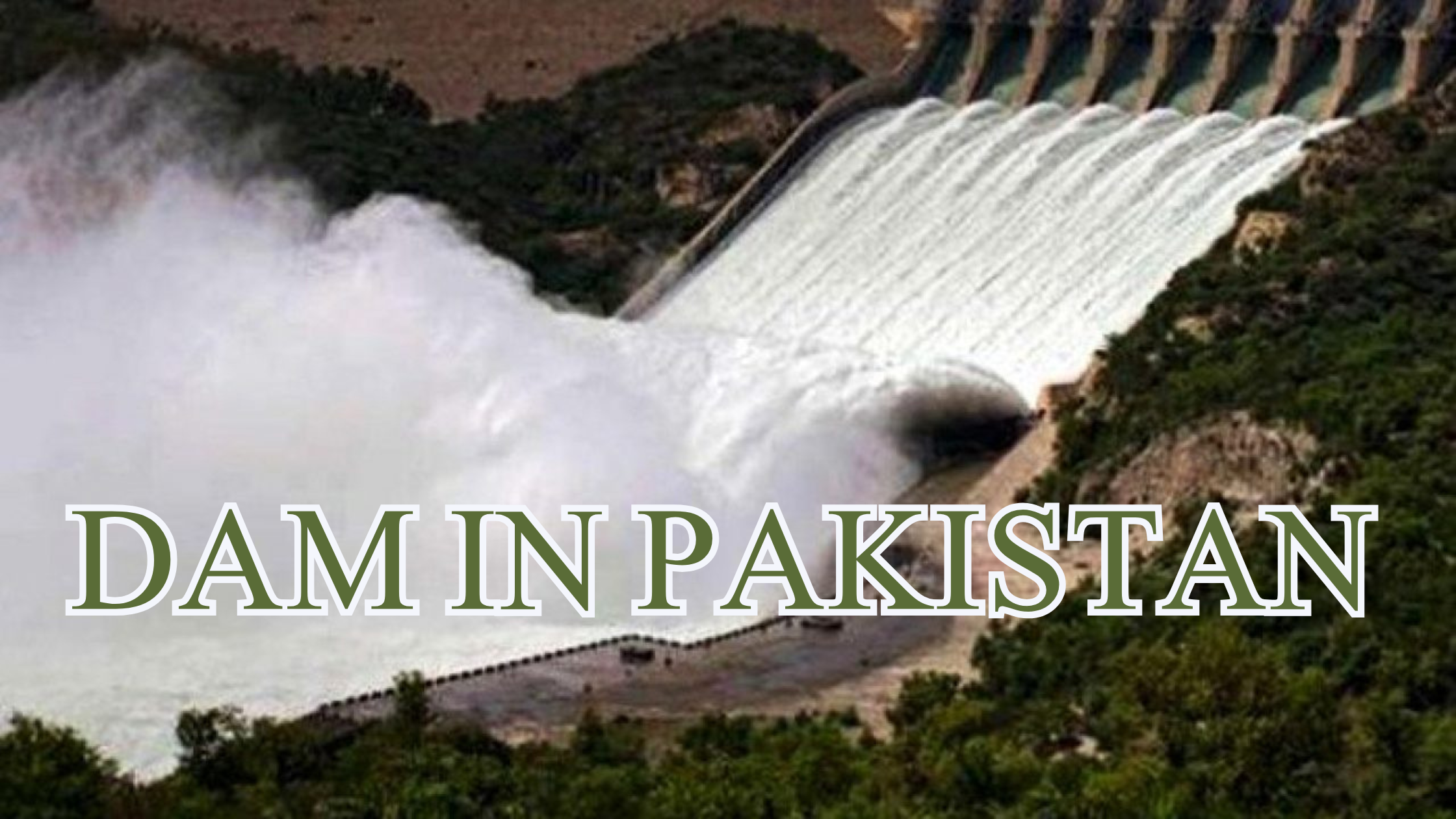
Have you ever wondered how Pakistan manages its water for over 240 million people, agriculture, and energy? The answer lies in the majestic network of dams in Pakistan. These engineering marvels are more than just giant walls holding back water they are the lifeline of the country’s economy, food security, and power supply. From the world-famous Tarbela Dam to the stunning beauty of Khanpur Dam, let’s dive deep into the top 5 dam in Pakistan that make a difference every single day.
Understanding the Importance of Dams in Pakistan
Pakistan is an agricultural country. Nearly 70% of its population depends on farming. Without reliable water storage, Pakistan faces seasonal water shortages, flooding, and poor crop yields.
Thanks to dams in Pakistan, we store water during monsoons and use it during dry seasons. Dams also help generate electricity, reduce floods, and support industries.
With climate change getting worse and water becoming scarce, building and maintaining dams is no longer optional—it’s critical.
Overview of Major Dams in Pakistan
Pakistan has over 150 small and large dams, and each serves a specific role some are built for hydropower, others for irrigation, and some serve both purposes.
Here are the top 5 dam in Pakistan that are most important for the country’s future.
Top 5 Pakistan Export Products: Key Drivers of the Economy
1. Mangla Dam: A Historical Marvel
Location: Jhelum River, Mirpur District, Azad Kashmir
Completed: 1967
Capacity: 7.39 million acre-feet
The Mangla Dam is Pakistan’s second-largest reservoir and was once the world’s sixth-largest dam. Built under the Indus Waters Treaty, it was designed to manage river flows and support irrigation in Punjab.
Key Features:
- Hydroelectric power: 1,000+ MW
- Supplies water to millions of acres
- Home to the historic Mangla Fort
This dam in Pakistan is not just about utility it’s also a symbol of post-independence progress.
2. Tarbela Dam: World’s Largest Earth-Filled Dam

Location: Indus River, Haripur District, Khyber Pakhtunkhwa
Completed: 1976
Capacity: 13.69 million acre-feet
The Tarbela Dam is a giant. It’s the largest earth-filled dam in the world and Pakistan’s primary source of hydropower.
Did You Know?
- Generates 4,888 MW of electricity
- Provides irrigation for over 8 million acres
- Helps regulate the flow of the Indus River
Without this massive dam in Pakistan, power shortages would be much worse.
3. Khanpur Dam: Beauty and Utility Combined

Location: Haro River, near Taxila
Completed: 1983
Capacity: 110,000 acre-feet
This stunning Khanpur Dam is not just functional—it’s also one of the most scenic destinations near Islamabad.
Why It Matters:
- Supplies water to Islamabad & Rawalpindi
- Key spot for water sports and tourism
- Supports agriculture in surrounding areas
When people search for the most beautiful dam in Pakistan, Khanpur always makes the list.
4. Warsak Dam: An Early Engineering Feat
Location: Kabul River, near Peshawar
Completed: 1960
Capacity: 0.24 million acre-feet
Built with help from Canada under the Colombo Plan, Warsak Dam was among the first major hydro projects in Pakistan.
Why It’s Important:
- Generates 240 MW electricity
- Supplies water to Peshawar Valley
- Has undergone several rehabilitation phases
This dam in Pakistan was ahead of its time and still plays a vital role today.
5. Rawal Dam: A Capital Lifeline
Location: Islamabad
Completed: 1962
Capacity: 47,500 acre-feet
Rawal Dam is crucial for the twin cities. It provides drinking water and supports local farms.
Highlights:
- Beautiful Rawal Lake for boating and picnics
- Key to Islamabad’s water supply
- Surrounded by hills and wildlife
Though not the largest dam in Pakistan, its location makes it incredibly vital.
Comparison of Top 5 Dams
| Dam | River | Capacity (MAF) | Power (MW) | Main Purpose |
|---|---|---|---|---|
| Tarbela | Indus | 13.69 | 4888 | Power, Irrigation |
| Mangla | Jhelum | 7.39 | 1000+ | Irrigation, Power |
| Khanpur | Haro | 0.11 | N/A | Water Supply, Tourism |
| Warsak | Kabul | 0.24 | 240 | Power, Irrigation |
| Rawal | Local Streams | 0.0475 | N/A | Water Supply |
Economic Impact of Dams
The dam in Pakistan isn’t just a concrete wall it’s a source of income. Dams:
- Support agriculture and exports
- Create thousands of jobs
- Power industries with cheap electricity
- Improve regional infrastructure
Dams and Electricity Production in Pakistan
Pakistan generates 30-35% of its electricity from hydropower, and that comes mainly from Tarbela, Mangla, and Warsak dams.
Expanding hydropower reduces our reliance on imported fuel and keeps electricity affordable.
Environmental Impact of Dams
Positives:
- Reduces flooding
- Boosts irrigation
- Provides clean energy
Challenges:
- Displacement of people
- Impact on aquatic life
- Sedimentation issues
Sustainable design and regular maintenance are key to making dams in Pakistan eco-friendly.
Challenges Faced by Pakistan’s Dam Infrastructure
- Aging infrastructure
- Lack of funding
- Political resistance
- Climate unpredictability
Pakistan must invest in upgrading its existing dams and build new ones smartly.
Future Dam Projects in Pakistan
The government plans to build:
- Diamer-Bhasha Dam (under construction)
- Mohmand Dam
- Dasu Hydropower Project
These future dams in Pakistan will change the energy and water map entirely.
Government Policies and International Support
Organizations like WAPDA, along with global partners (World Bank, ADB), are helping fund dam projects and ensure water security for the future.
Conclusion
From massive powerhouses like Tarbela to scenic getaways like Khanpur, every dam in Pakistan tells a story of ambition, innovation, and resilience. As the country faces more environmental and economic challenges, investing in and protecting these dams is essential for a stable future.
FAQs
1. What is the largest dam in Pakistan?
The Tarbela Dam is the largest dam in Pakistan and the biggest earth-filled dam in the world.
2. How many dams in Pakistan produce electricity?
More than 30 dams in Pakistan generate electricity, with Tarbela, Mangla, and Warsak being the major contributors.
3. Which is the most beautiful dam in Pakistan?
Khanpur Dam is considered the most scenic dam in Pakistan, known for its blue water and tourism activities.
4. What are the future plans for dams in Pakistan?
Pakistan plans to complete Diamer-Bhasha, Mohmand, and Dasu Dams to increase hydropower and water storage.
5. How do dams in Pakistan benefit agriculture?
Dams in Pakistan provide consistent water for crops, prevent floods, and improve farming efficiency through irrigation systems.