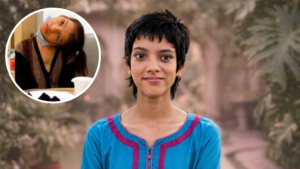

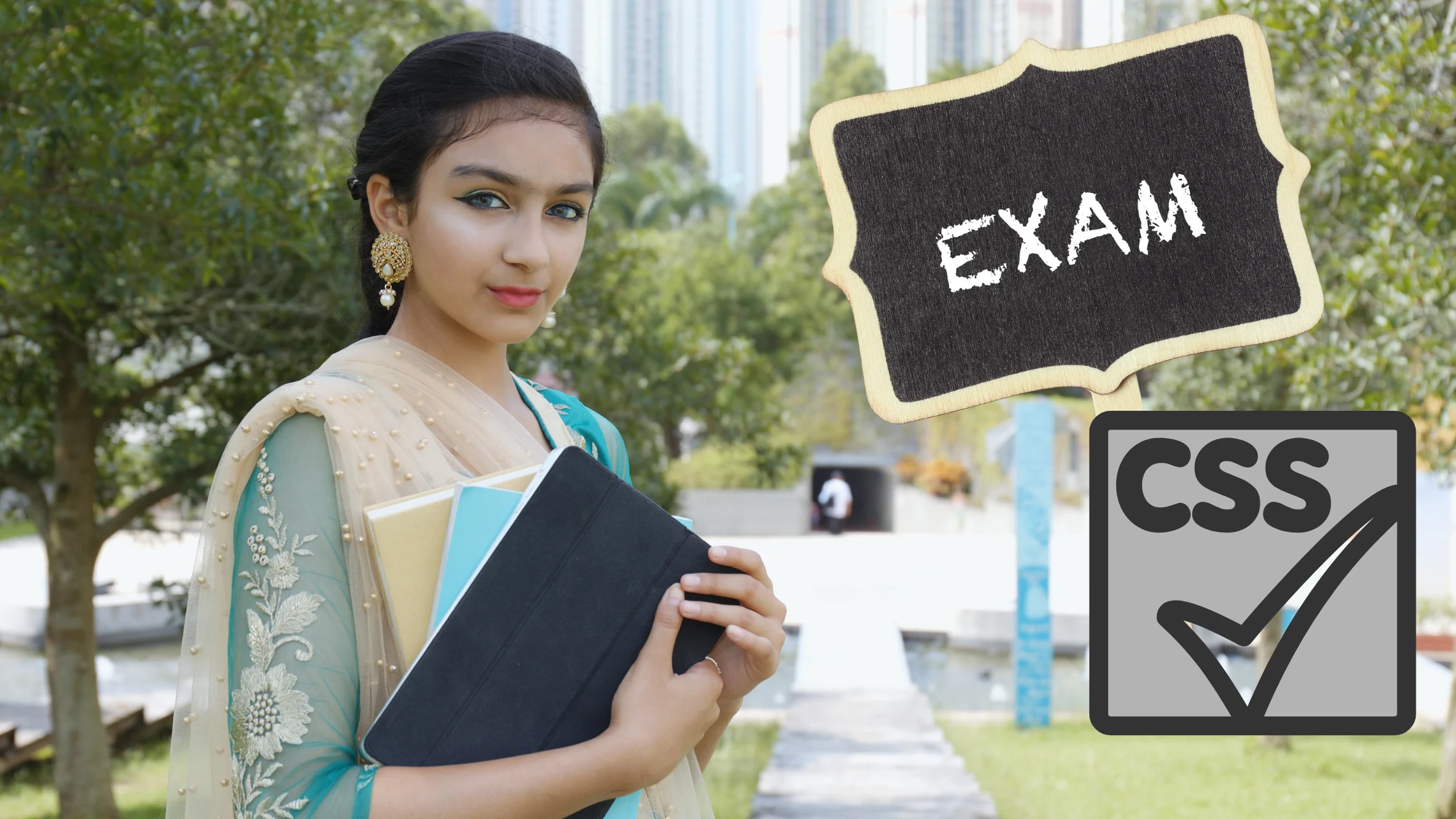
In a historic achievement for gender equality, women have claimed 48% of the seats in Pakistan’s Central Superior Services (CSS) exams, highlighting their exceptional talent, dedication, and leadership potential. This milestone marks a transformative shift toward inclusive governance and a more equitable future.
The remarkable performance of female candidates reflects years of progress in education and empowerment. From securing top ranks to excelling in competitive assessments, these women have proven that ability and determination transcend societal barriers. Their success sends a powerful message of hope and confidence to young girls across the nation, inspiring them to aim higher and pursue leadership roles in public service.
Pakistan Acquires Advanced AIP Submarine, Marking a Major Milestone in Naval Defense
Experts view this achievement as a reflection of Pakistan’s evolving social landscape, where women are increasingly taking on key roles in administration, policy-making, and governance. It also underscores the importance of providing equal educational opportunities and supportive environments that allow women to thrive.
This year’s CSS results stand as a proud moment for Pakistan — a testament to progress, resilience, and the country’s commitment to gender inclusion. The rise of women in public service not only strengthens institutions but also ensures that diverse voices contribute to shaping the nation’s future.
FAQs
1. What percentage of CSS seats did women secure this year?
Women claimed 48% of the total CSS seats — one of the highest proportions in history.
2. Why is this achievement significant?
It marks a major step toward gender equality and inclusive leadership in Pakistan’s civil services.
3. What factors contributed to women’s success?
Improved access to education, mentorship programs, and growing social awareness of women’s empowerment.
4. How does this impact Pakistan’s future leadership?
It brings more diverse perspectives into policymaking and strengthens the foundations of equal representation.
5. What message does this send to young girls in Pakistan?
That determination, education, and confidence can break barriers — and leadership has no gender.