

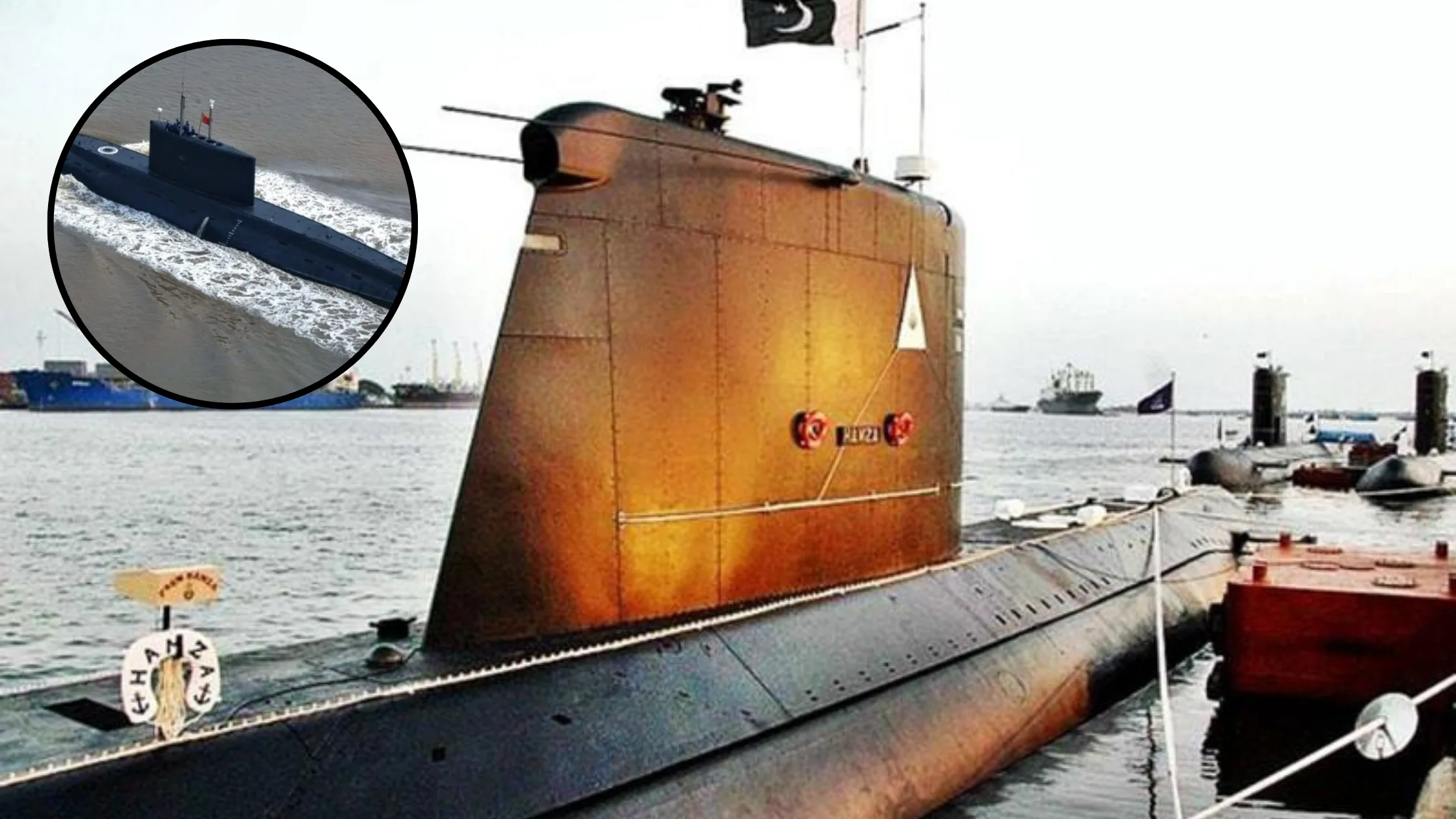
Pakistan has reached a historic milestone in its naval defense by acquiring an advanced Air-Independent Propulsion AIP submarine. This achievement marks a major leap in the country’s maritime capabilities and enhances its position as a strong regional naval power.
The AIP technology allows submarines to operate underwater for longer periods without surfacing, giving them superior stealth and endurance. This makes it difficult for enemy forces to detect or track them, offering a significant advantage in modern naval warfare.
According to defense analysts, India may not be able to develop or acquire a similar level of technology for decades, giving Pakistan a clear strategic edge in undersea operations. The new submarine will greatly increase the Pakistan Navy’s operational range, surveillance capabilities, and deterrence power in the region.
Pakistan Successfully Launches its First Hyperspectral Satellite ‘iCUBE-HS1’ into Space
Experts say this development reflects Pakistan’s steady progress in strengthening its defense infrastructure and modernizing its naval fleet. The acquisition also highlights the country’s commitment to safeguarding its maritime borders and ensuring regional stability through advanced defense technology.
The successful induction of the AIP submarine not only enhances Pakistan’s undersea warfare capabilities but also underscores the skill and dedication of its defense engineers and naval planners. It’s a proud moment for the nation and a defining step in its journey toward self-reliance and technological advancement.
FAQs
1. What is an AIP submarine?
An Air-Independent Propulsion (AIP) submarine can stay underwater for extended periods without surfacing, making it quieter and harder to detect.
2. Why is this acquisition important for Pakistan?
It significantly strengthens Pakistan’s naval defense, improving stealth, endurance, and regional deterrence.
3. How does AIP technology work?
AIP systems generate power through non-nuclear means, such as fuel cells, allowing submarines to remain submerged longer than conventional diesel-electric ones.
4. What impact does this have on regional security?
The acquisition gives Pakistan a strategic advantage and may alter the balance of naval power in South Asia.
5. What does this mean for Pakistan’s defense industry?
It marks a major step toward technological advancement and greater self-reliance in defense production.